Plumbing Guides for Homeowners
Each guide starts with a short answer, then explains the steps, the warning signs and when to stop and call a pro.
Emergencies
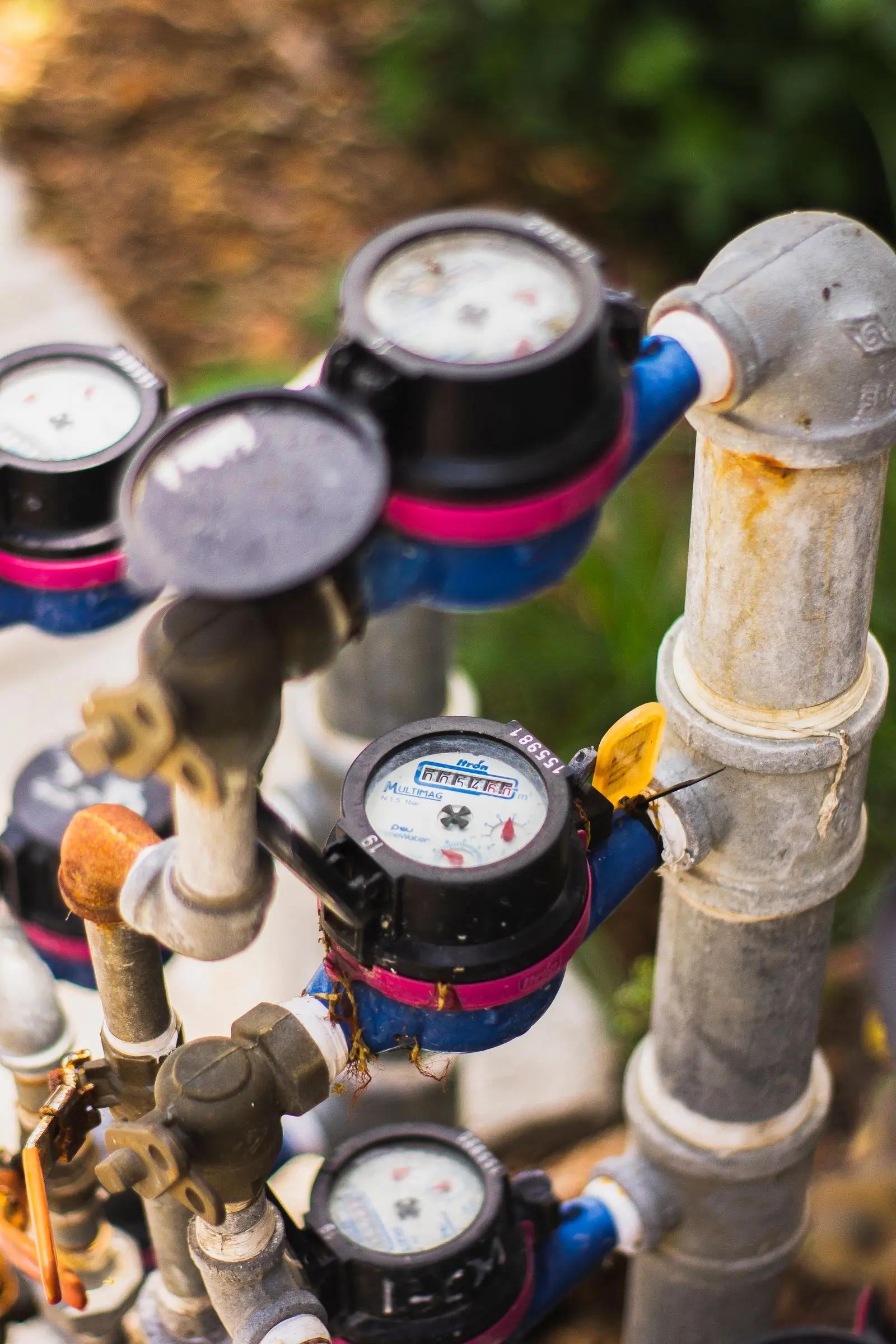
How to Shut Off the Water to Your House
Turn the main shutoff valve clockwise until it stops, or turn a lever handle a quarter turn so it sits across the pipe. It's usually where the water line enters the house, or at the meter near the street.
Read the guide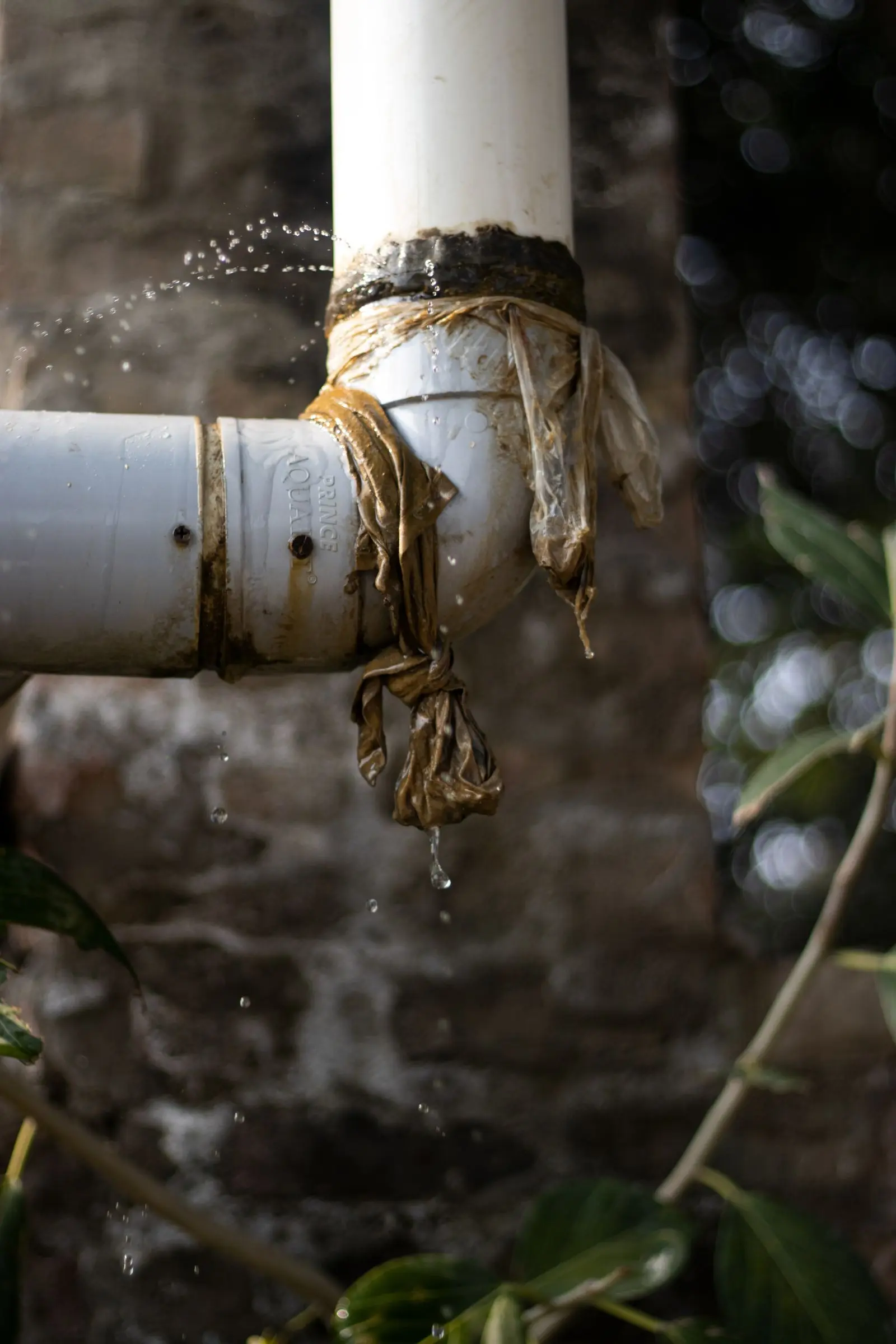
What to Do When a Pipe Bursts
Shut off the main water valve, turn off electricity to any wet area if you can reach the panel safely, open faucets to drain the lines, and then call a plumber. Take photos before you clean up, and start drying within a day to prevent mold.
Read the guide
When to Call an Emergency Plumber (and When It Can Wait)
Call an emergency plumber when water is actively damaging the home and you can't stop it, sewage is backing up, or you have no water at all. If you can stop the water at a shutoff valve and the home is still usable, it can usually wait for a regular appointment, which costs less.
Read the guide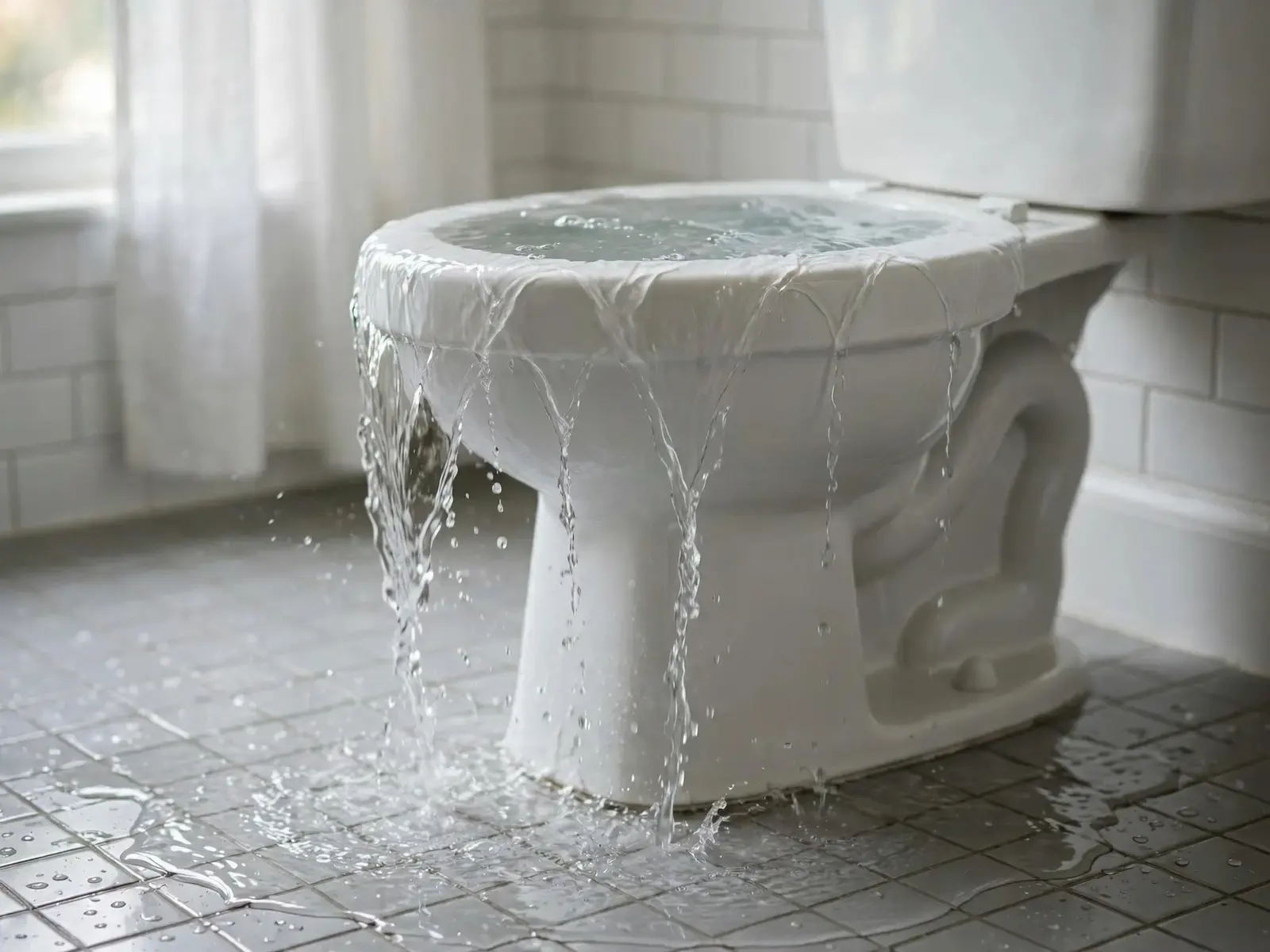
Toilet Overflowing? What to Do Right Now
Stop the water first: take the tank lid off and push the flapper down, then turn the shutoff valve behind the toilet clockwise until it stops. Once the water is off, clear the clog with a flange plunger. If other drains are backing up too, the problem is the main sewer line and you need a plumber.
Read the guide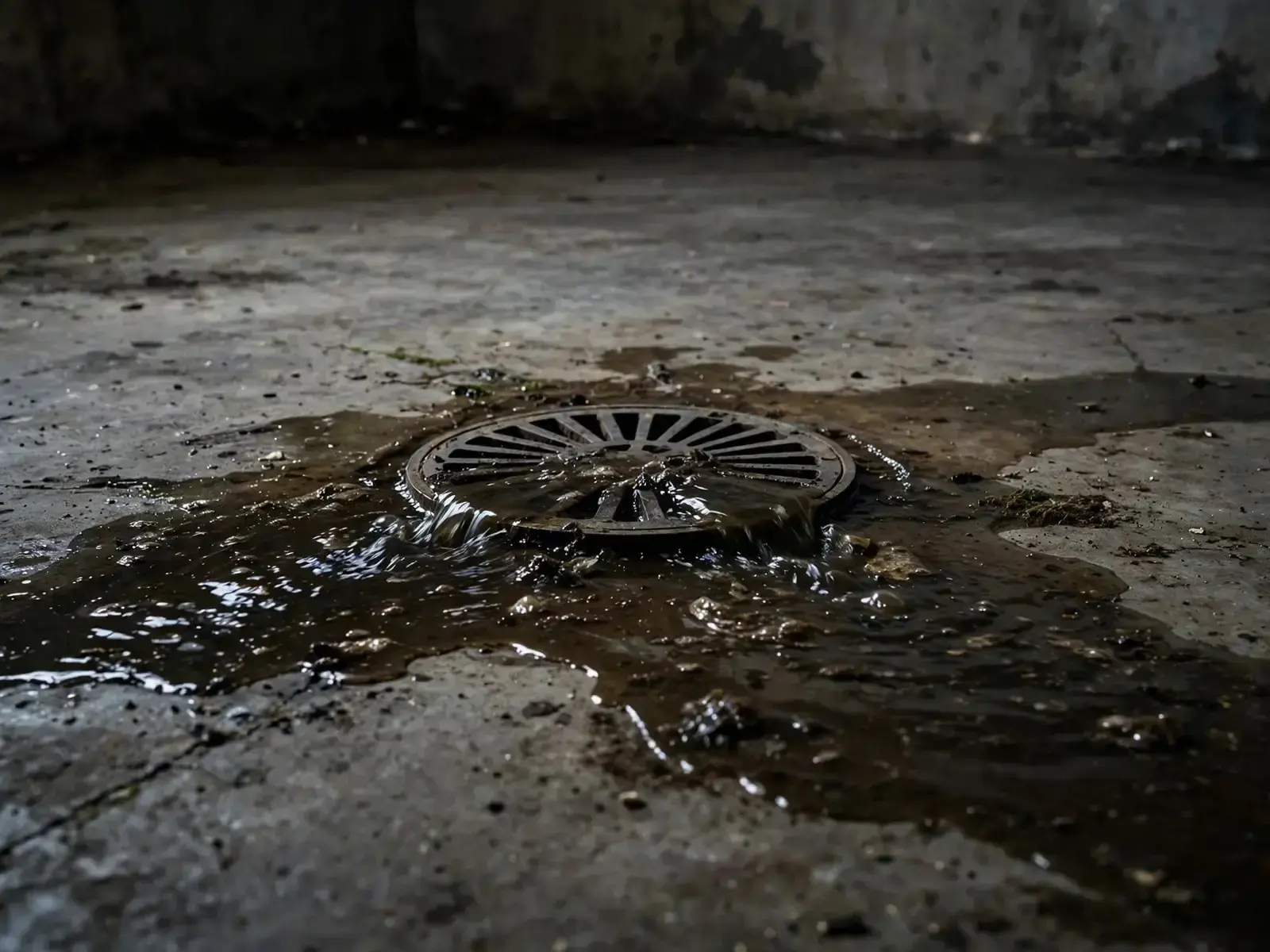
Sewage Backing Up in the Basement: What to Do
Stop running water anywhere in the house, keep children and pets away, and do not touch the water without gloves and boots. Then find out whether the blockage is in your sewer line or the public sewer: call a plumber for the first and the sewer utility for the second. Sewage-soaked materials need professional cleanup.
Read the guide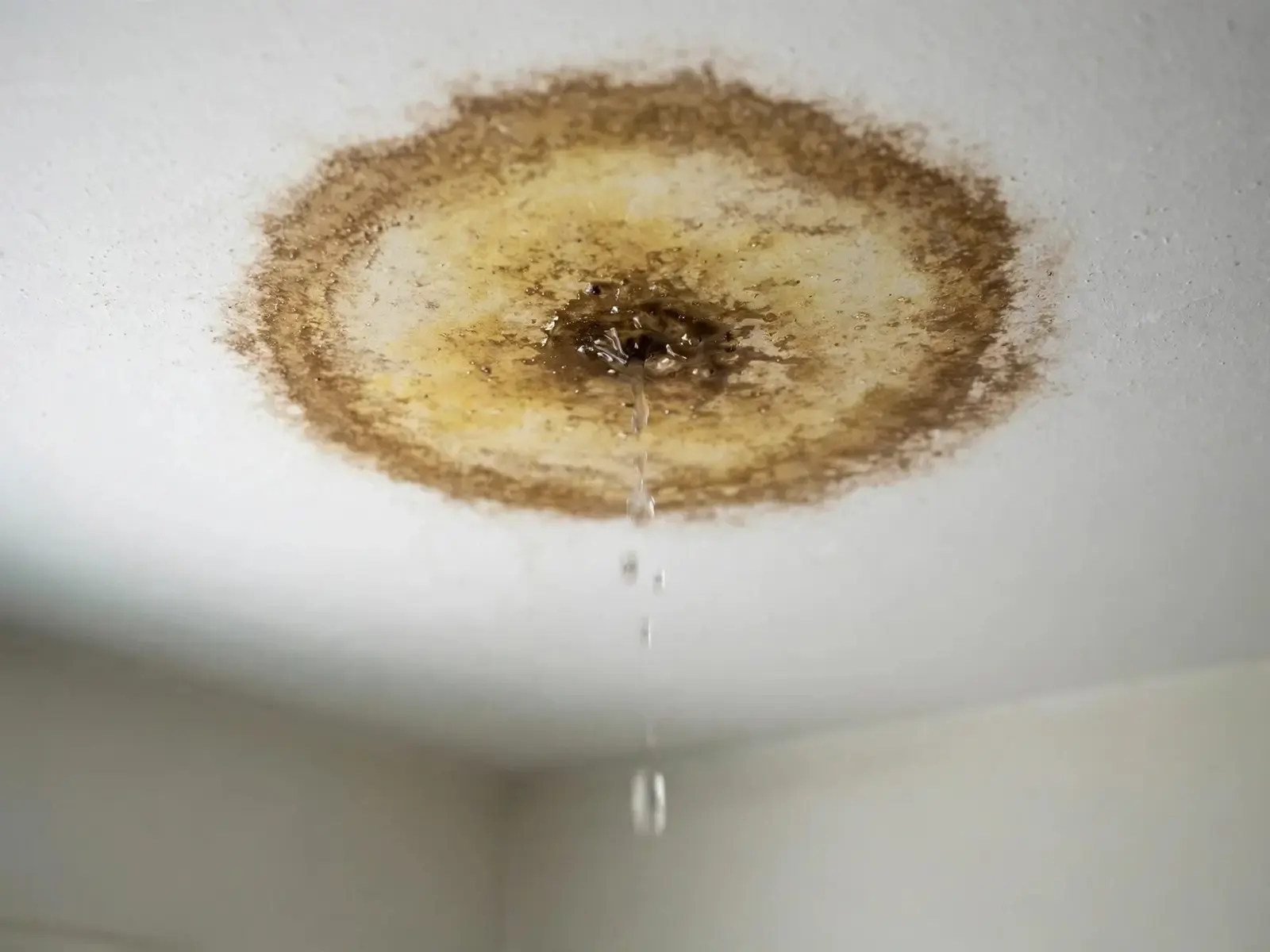
Water Leaking Through the Ceiling: What to Do
Turn off the fixture above or the main water valve, switch off power to any wet light fixture, and put a bucket under the drip. If the ceiling is bulging, a small hole at the lowest point lets the water drain in a controlled way. Then use the timing of the leak to find the source: constant leaks are usually supply lines, leaks only during use are drains or showers, and leaks only during rain are the roof.
Read the guide
No Water in the House? Causes and What to Check
If every tap is dry, first check whether neighbors have water and whether the utility has an outage or main break. If they have water, the problem is on your property: a closed main valve, a frozen or broken service line, a failed pressure regulator, a shutoff for nonpayment, or, on a well, the pump or pressure switch.
Read the guide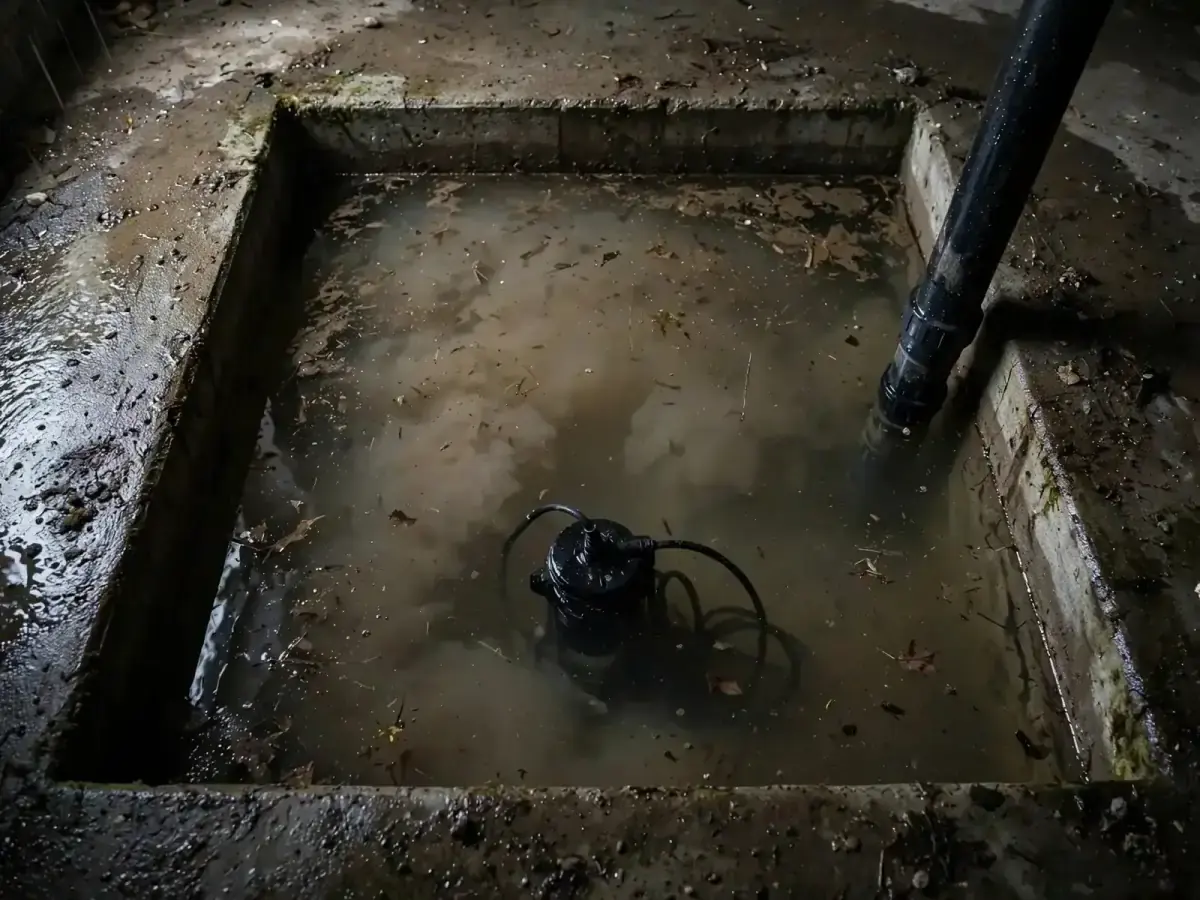
Sump Pump Not Working: Causes and What to Do
Check the power first: the outlet, the GFCI and the breaker. Then look at the float, which can stick against the pit wall, and the discharge line, which can freeze or clog. A pump that runs but does not lower the water usually has a failed check valve, a clogged intake or a worn-out motor.
Read the guide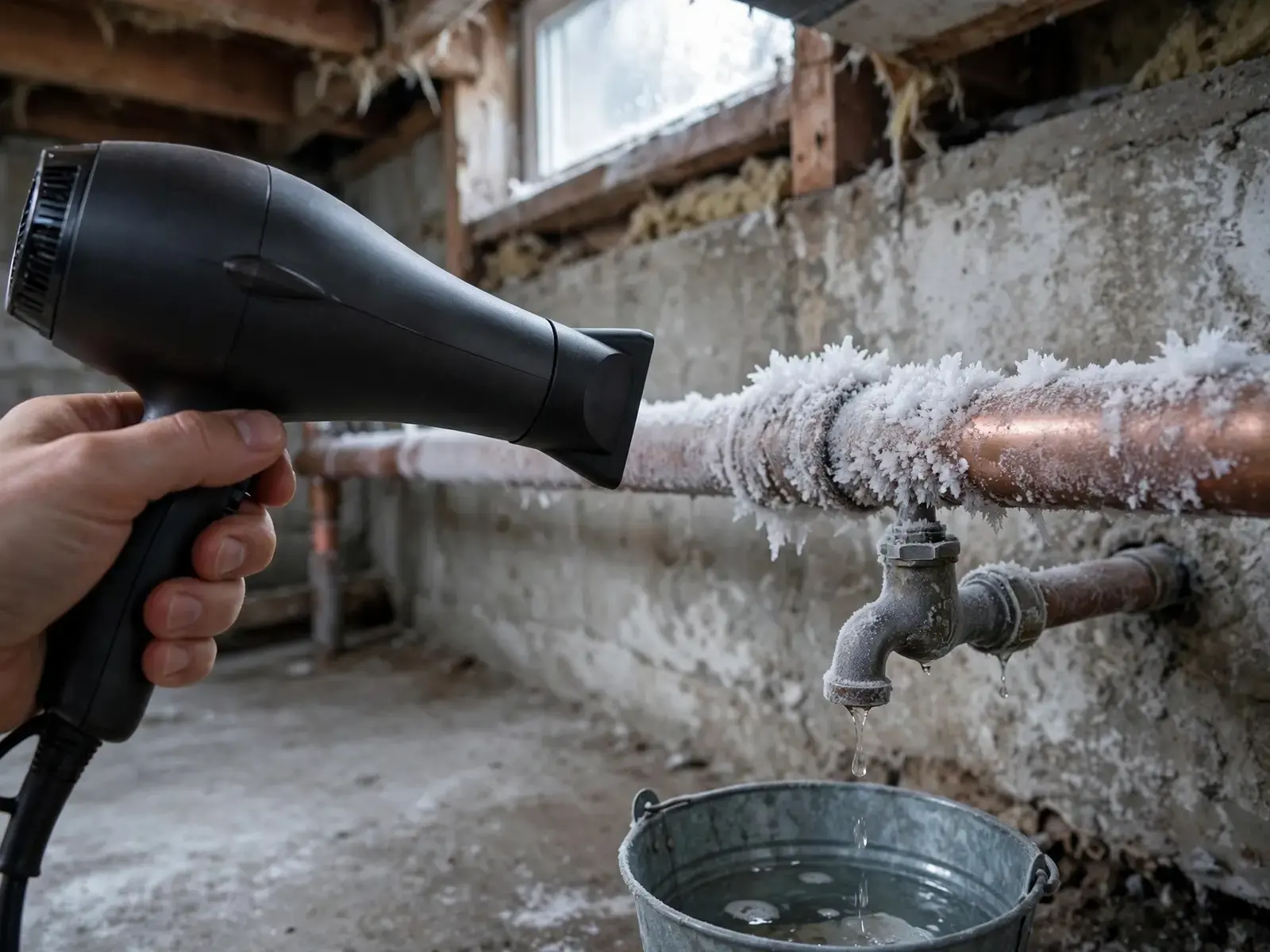
How to Thaw Frozen Pipes Safely
Open the faucet the pipe feeds, then warm the pipe with a hair dryer, heating pad or space heater, starting at the faucet end and working back toward the frozen section. Never use a torch or open flame. If you cannot find or reach the frozen section, or the pipe has split, shut off the main water and call a plumber.
Read the guide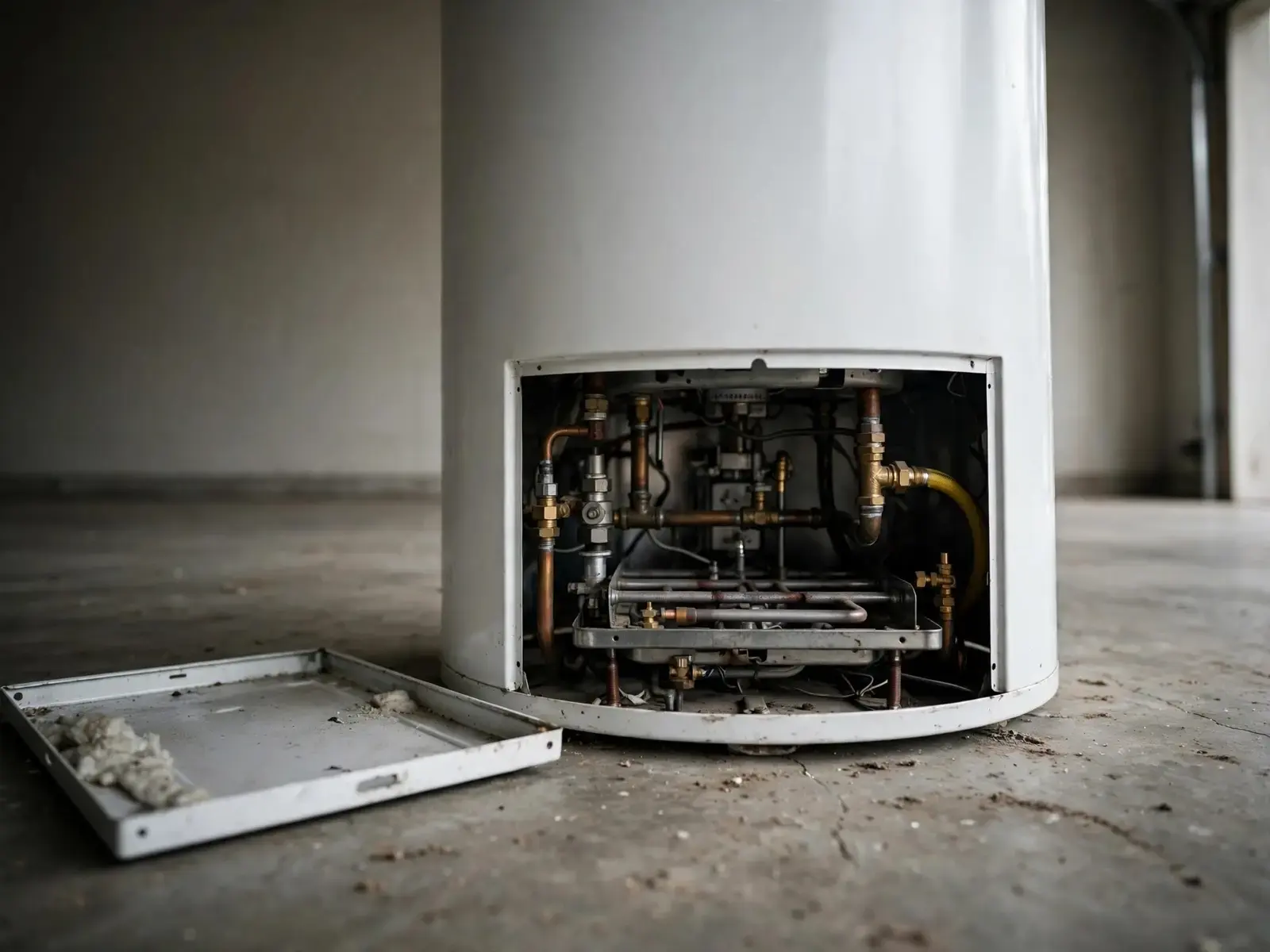
Gas Smell Near the Water Heater: What to Do
If you smell gas, leave the house now, without turning lights or appliances on or off, and call the gas utility or 911 from outside. Do not try to find the leak or relight the water heater. After the utility makes it safe, a licensed plumber repairs the leak and checks the water heater's gas valve, connector and venting.
Read the guide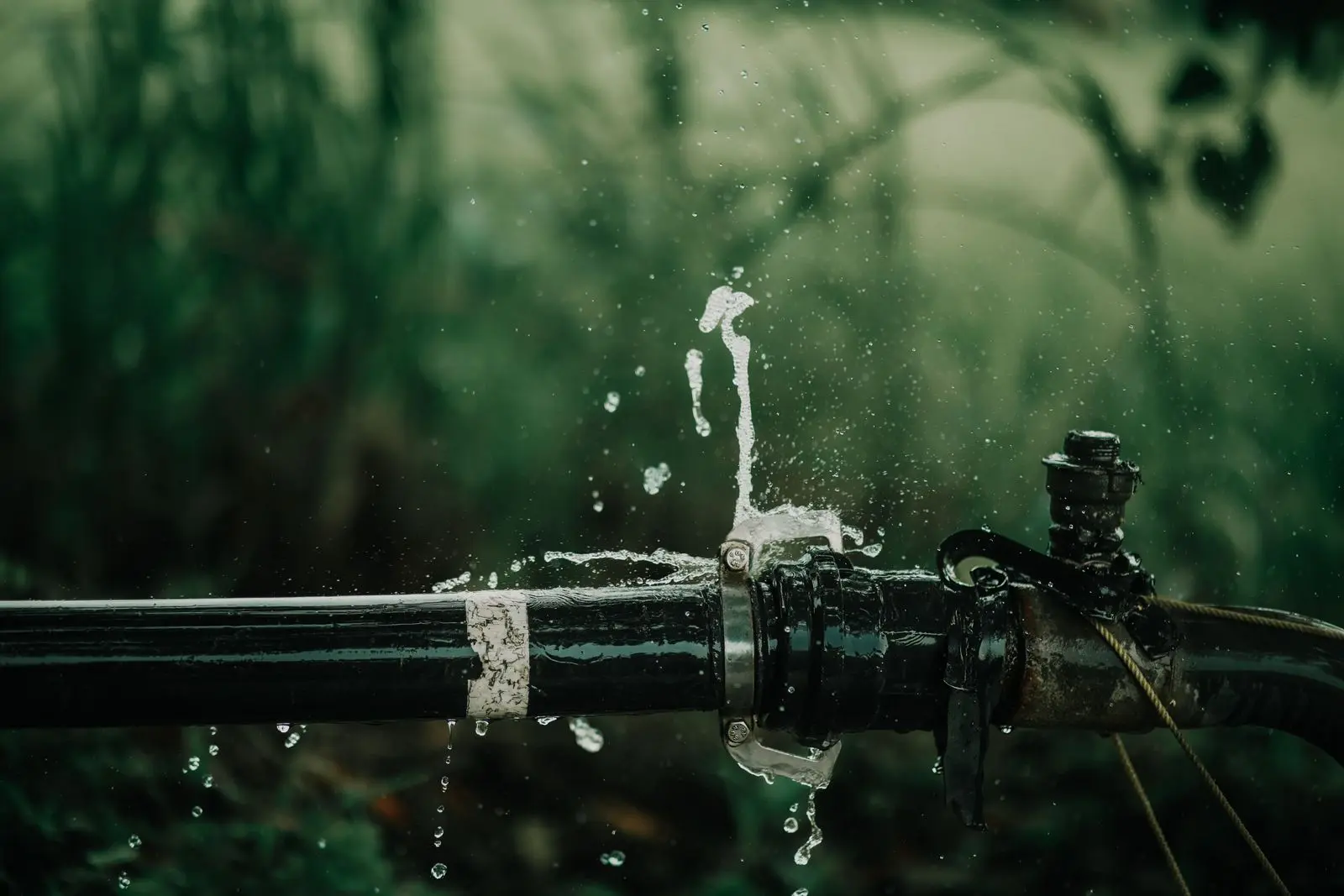
How to Repair a Main Water Line
First shut off the water at the main shutoff valve, then find out whether the leak is on your side of the meter. A homeowner can safely stop the water, take photos and clear the way, but the repair itself is usually a plumber's job: the line is buried, the leak is often hard to pin down, and digging near other utilities is dangerous. Call 811 before anyone digs.
Read the guide
Water heaters
Water Heater Leaking? What to Do Right Now
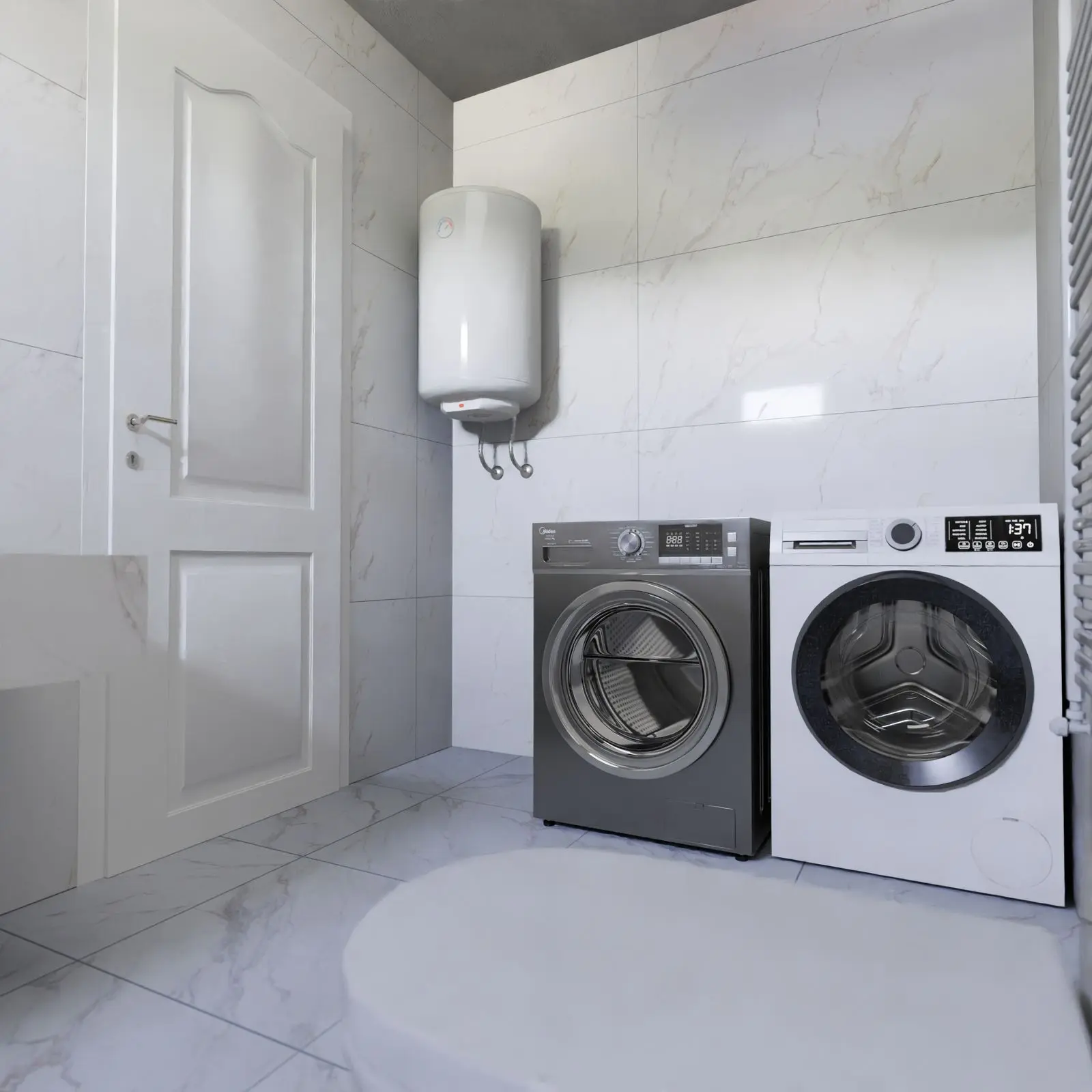
Turn off the cold water supply valve on top of the heater and shut off the power or set the gas to off. Then find the source: fittings and valves can be repaired, but a leak from the tank itself means the heater must be replaced.
Read the guide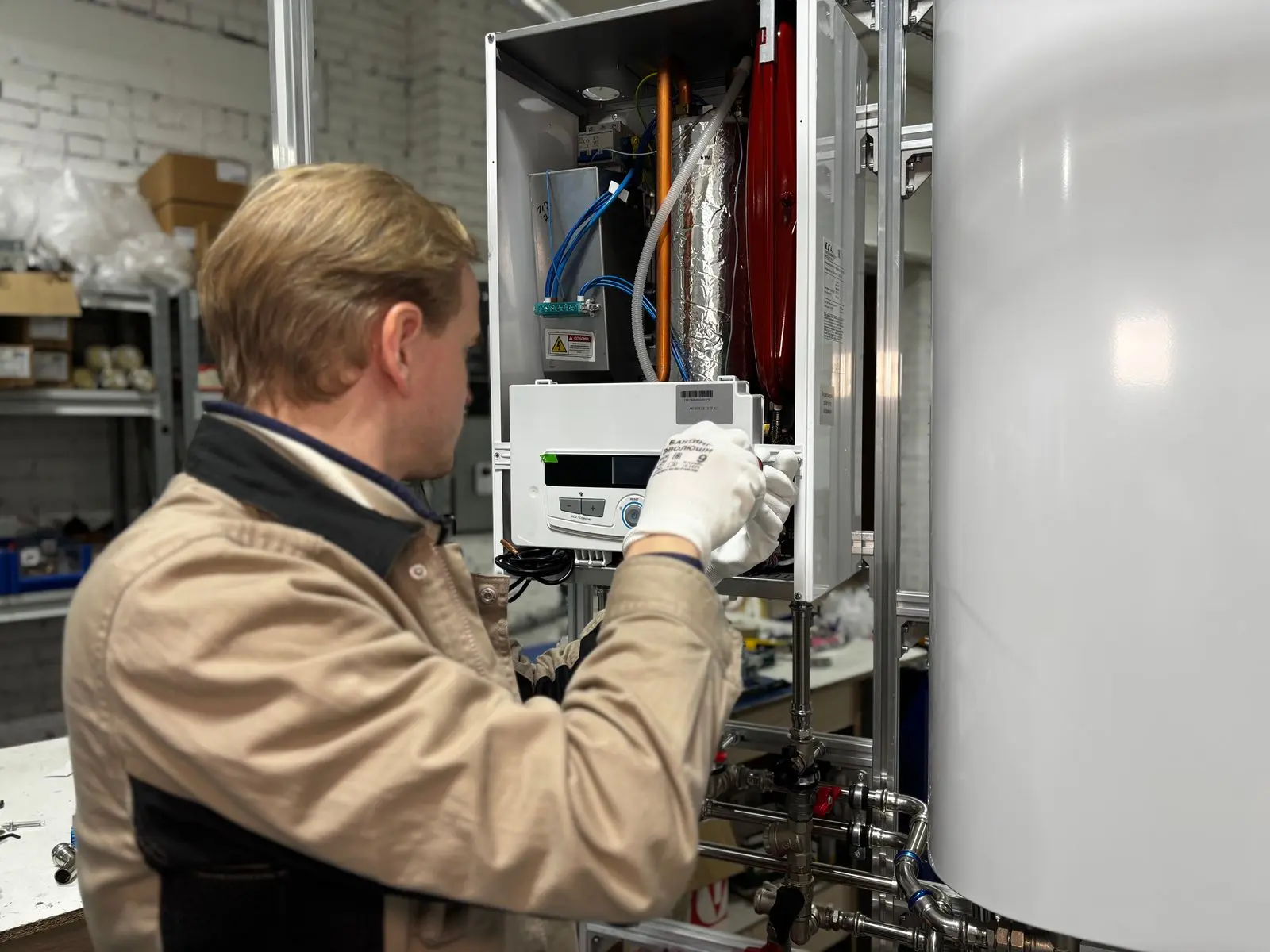
Tank vs. Tankless Water Heater: Which Is Right for You?
Tank heaters cost less to buy and install and are simple to replace. Tankless heaters cost more upfront but supply endless hot water, take less space and last longer. Your gas line, venting and how long you'll stay usually decide it.
Read the guideNo Hot Water? Causes and What to Check First
On an electric water heater, no hot water usually means a tripped breaker, a tripped high-limit reset button or a burned-out heating element. On a gas heater it is usually a pilot that has gone out, a failed thermocouple or igniter, or the gas being off.
Read the guide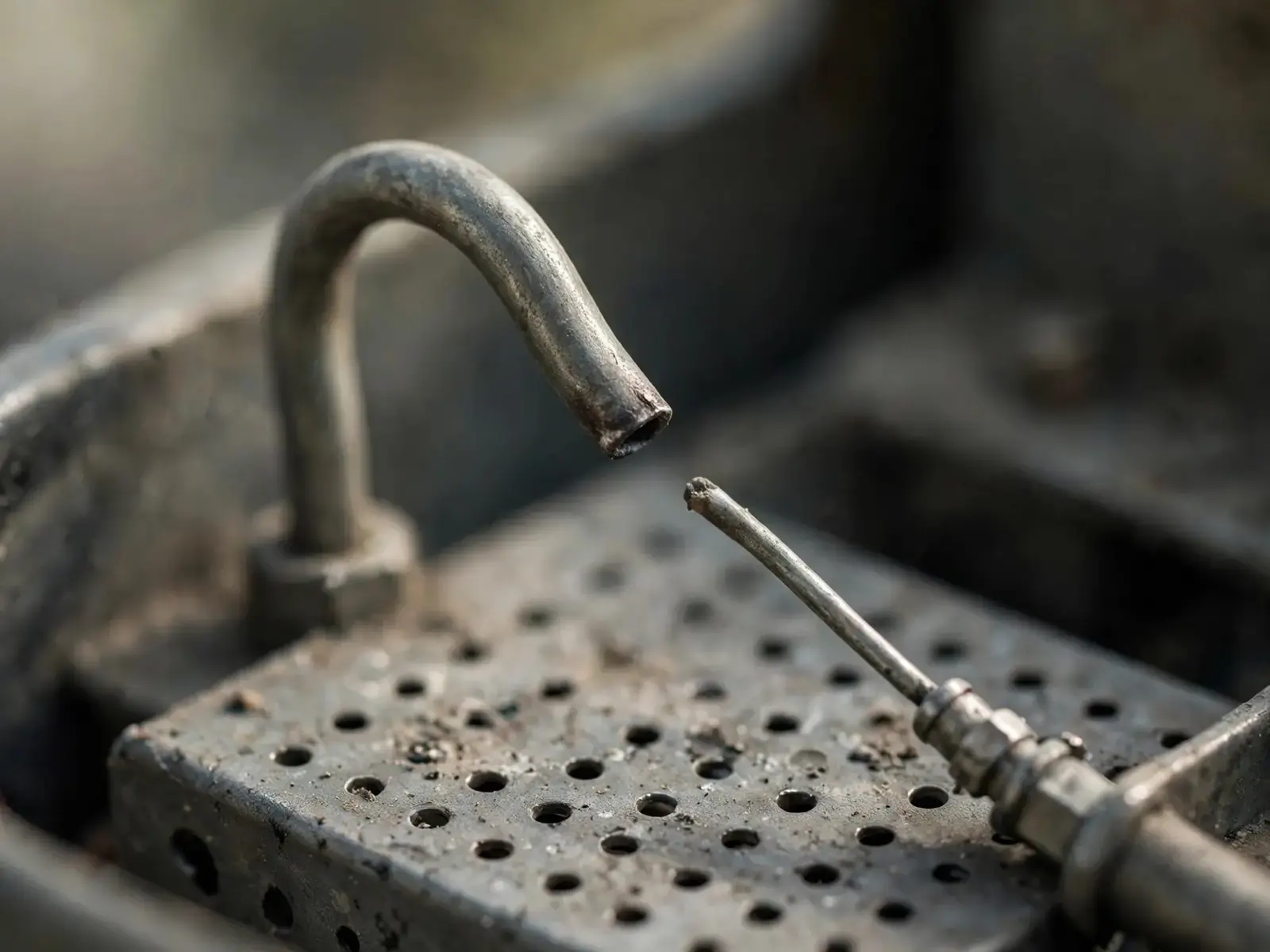
Water Heater Pilot Light Won't Stay Lit: Causes and Fixes
When a pilot lights but goes out as soon as you let go of the knob, the thermocouple is usually worn or out of the flame. A pilot that goes out on its own after hours or days points to a dirty pilot tube, a draft, a kinked gas line or, on newer heaters, a flammable vapor sensor that has tripped. Thermocouple replacement is a common, quick repair.
Read the guide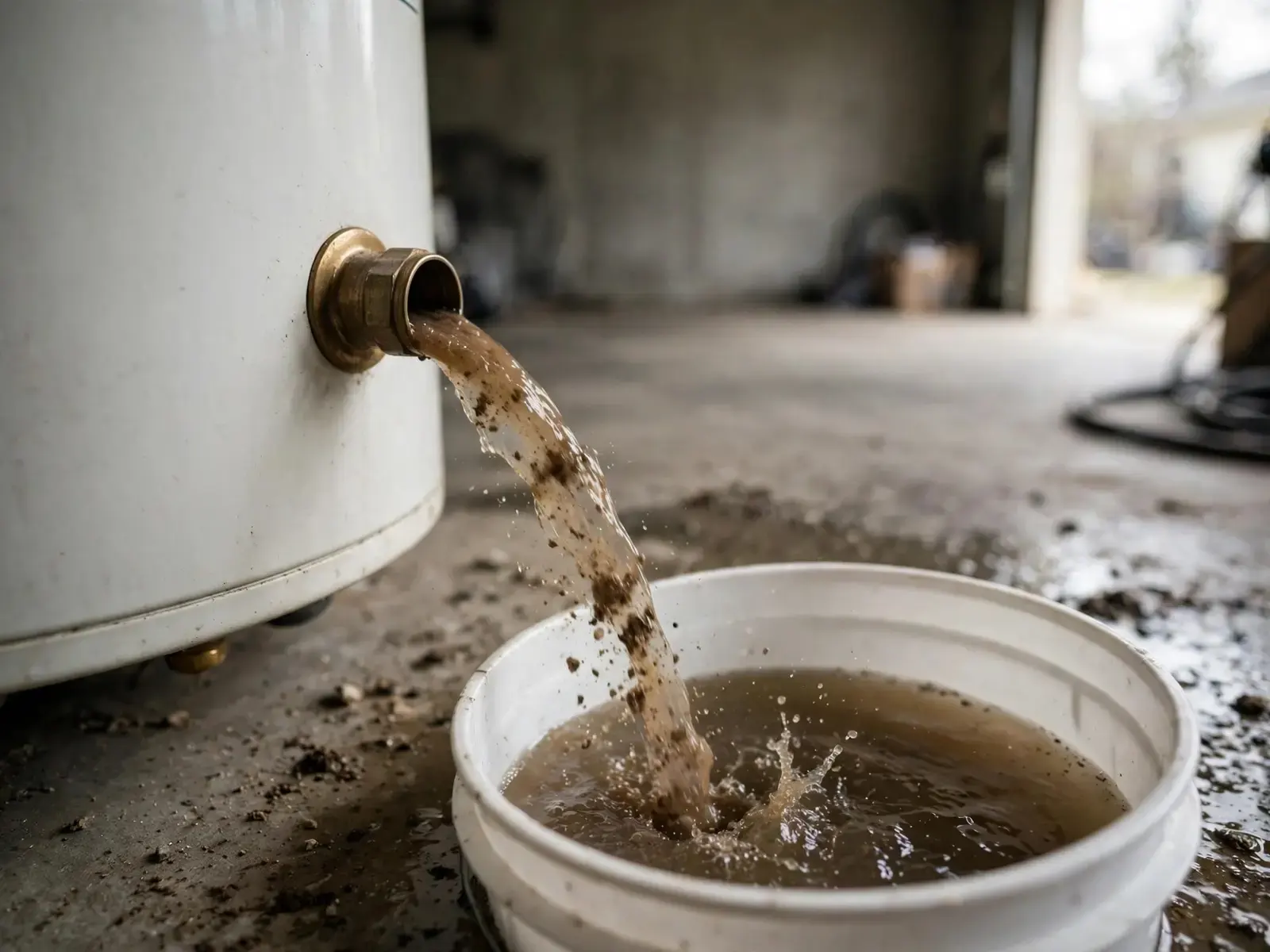
Why Is My Water Heater Making Noise?
Popping, rumbling or crackling usually means sediment has built up on the bottom of the tank and water trapped under it is boiling. Hissing can be water dripping onto a hot burner, a relief valve letting off pressure, or a leak. Ticking is usually pipes expanding. Sediment noise is fixed by flushing the tank; hissing at the relief valve needs a plumber.
Read the guide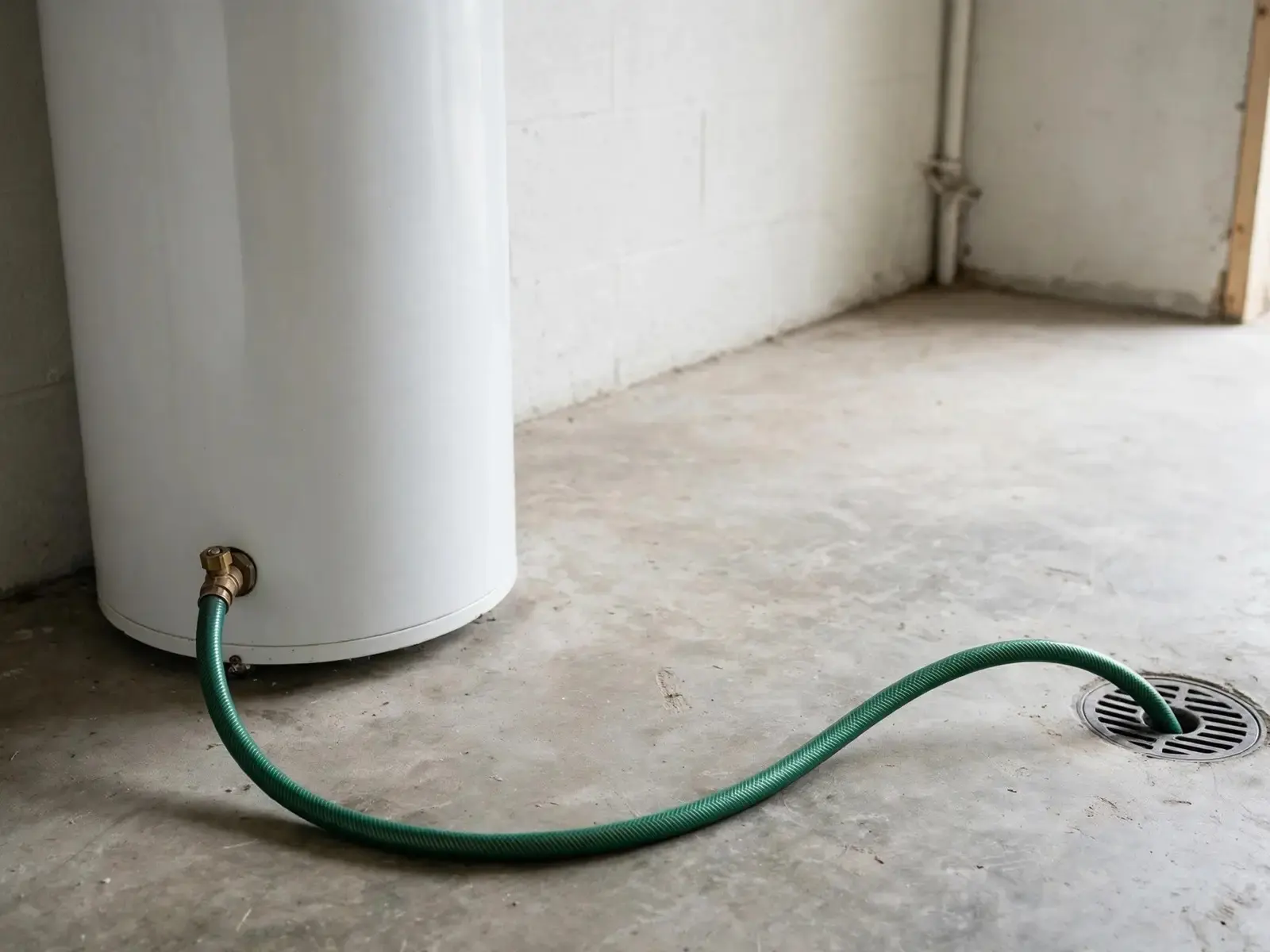
How to Flush a Water Heater
Turn off the power (electric) or set the gas to pilot, close the cold supply valve, connect a garden hose to the drain valve and run it to a floor drain or outside, open a hot faucet, and drain the tank. Briefly open the cold supply to stir and flush until the water runs clear, then close the drain, refill the tank completely and only then turn the heat back on.
Read the guide
Hot Water Smells Like Rotten Eggs: Causes and Fixes
If only the hot water smells like rotten eggs, the cause is almost always in the water heater: sulfate-reducing bacteria react with a magnesium anode rod and produce hydrogen sulfide. Replacing the anode with an aluminum-zinc or powered anode, and disinfecting the tank, usually fixes it. If cold water smells too, the problem is in the water supply, most often a private well.
Read the guide
How Long Do Water Heaters Last? Repair or Replace
Conventional tank water heaters typically last around 10 to 15 years and tankless heaters 20 years or more, according to the US Department of Energy. Hard water and skipped maintenance shorten both. Repair a heater with a failed part such as a thermocouple, element or thermostat; replace it when the tank itself leaks, it is near the end of its life, or repairs keep stacking up.
Read the guide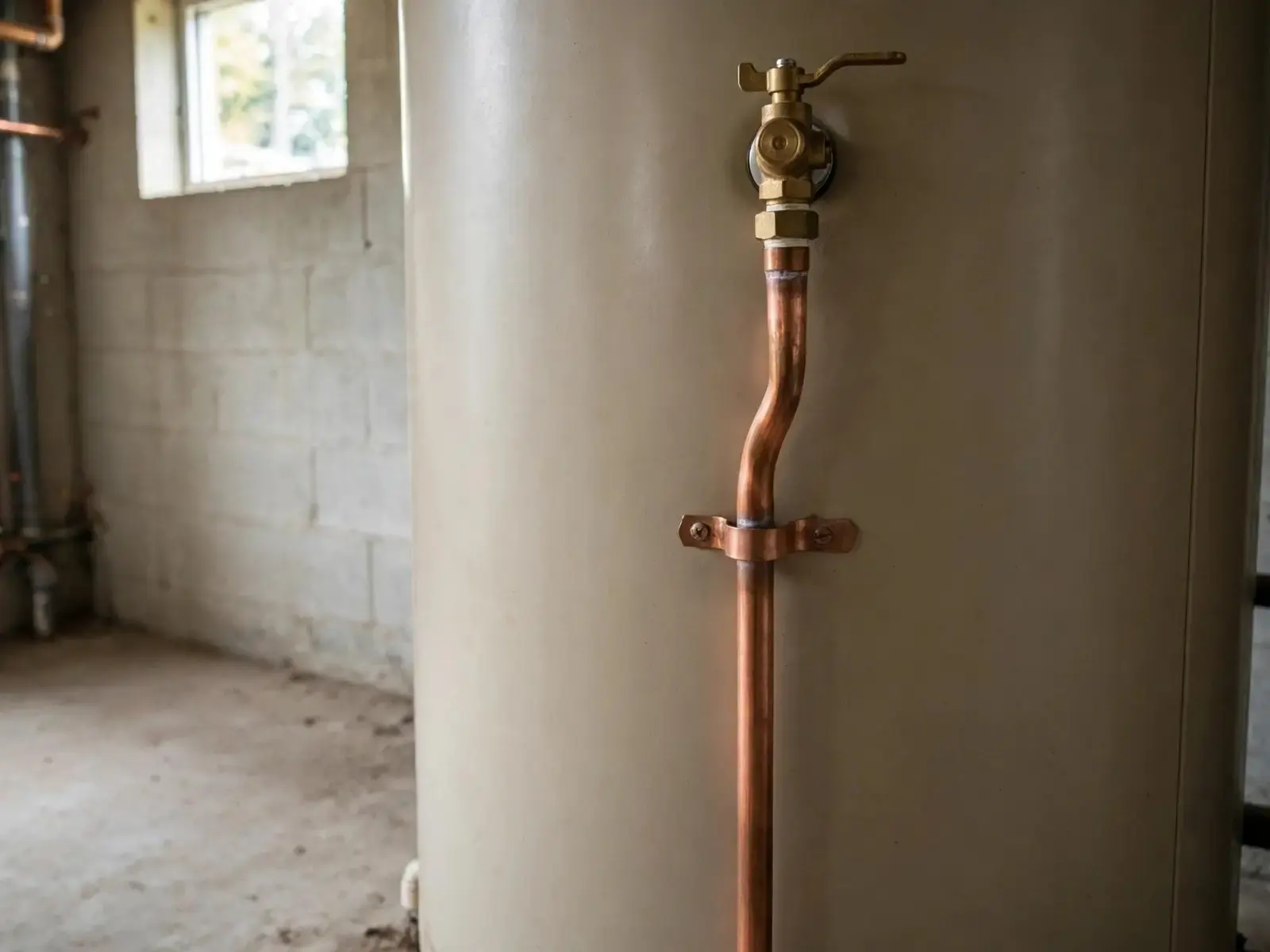
Water Heater Relief Valve Leaking or Dripping
A temperature and pressure relief valve that drips is either doing its job, releasing pressure or heat that is too high, or it is worn and no longer seals. The usual causes are thermal expansion in a closed system without a working expansion tank, house water pressure above about 80 psi, or a thermostat set too high. Never cap or plug the valve; have a plumber find the cause.
Read the guide
Hot Water Runs Out Fast: Causes and Fixes
If hot water runs out much sooner than it used to, the common causes are a failed lower heating element on an electric heater, sediment taking up space in the tank, a broken dip tube mixing cold water into the hot, or a thermostat set too low. If it has always run out fast, the tank may simply be too small for the household.
Read the guide
Drains and clogs
How to Unclog a Toilet
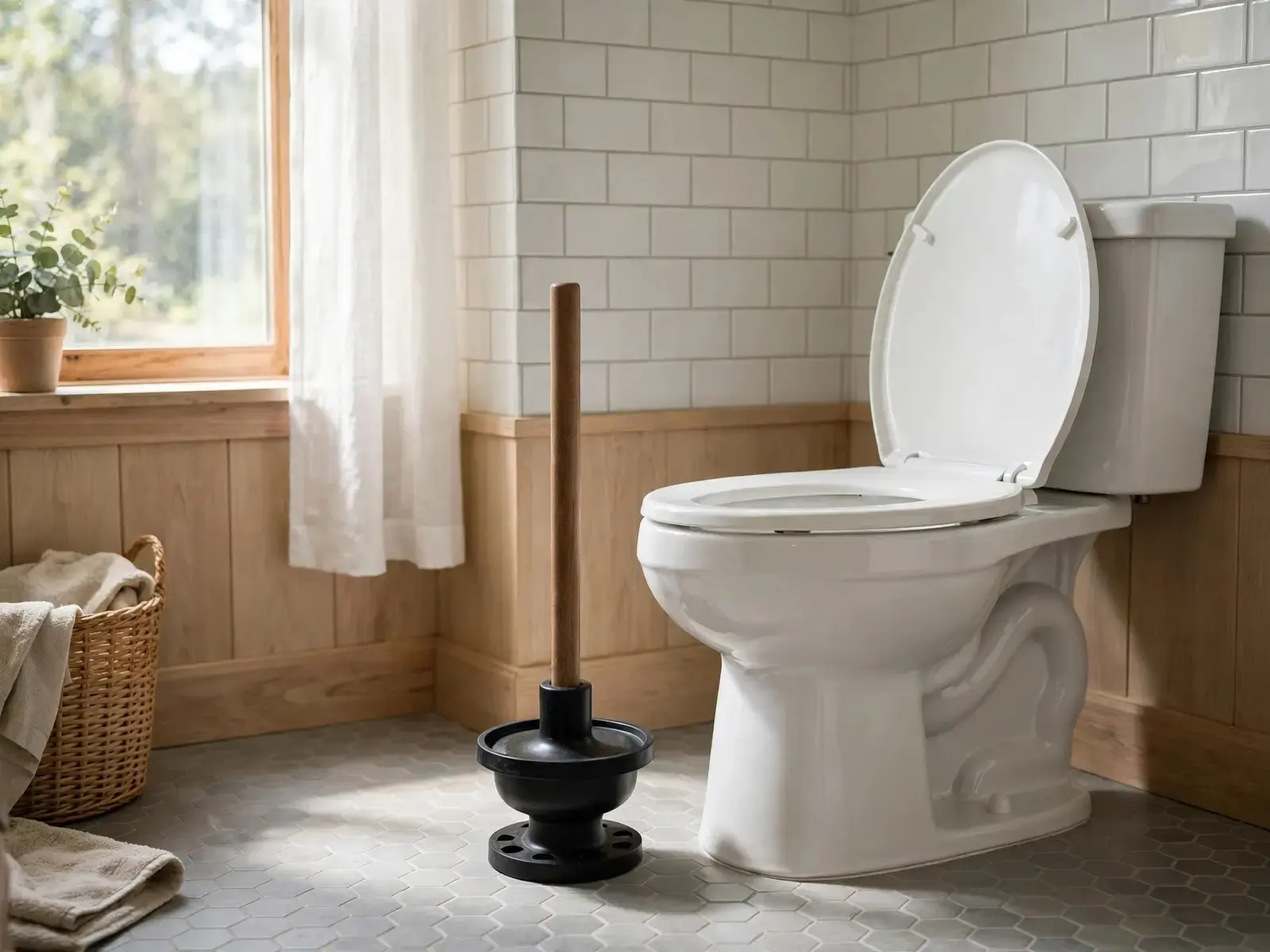
Use a flange plunger: seat it over the outlet, push gently to remove air, then plunge firmly 10 to 15 times while keeping the seal. If that fails, a closet auger reaches through the trap without scratching the bowl. If water rises in the tub or shower when you flush, the main line is clogged and plunging will not fix it.
Read the guide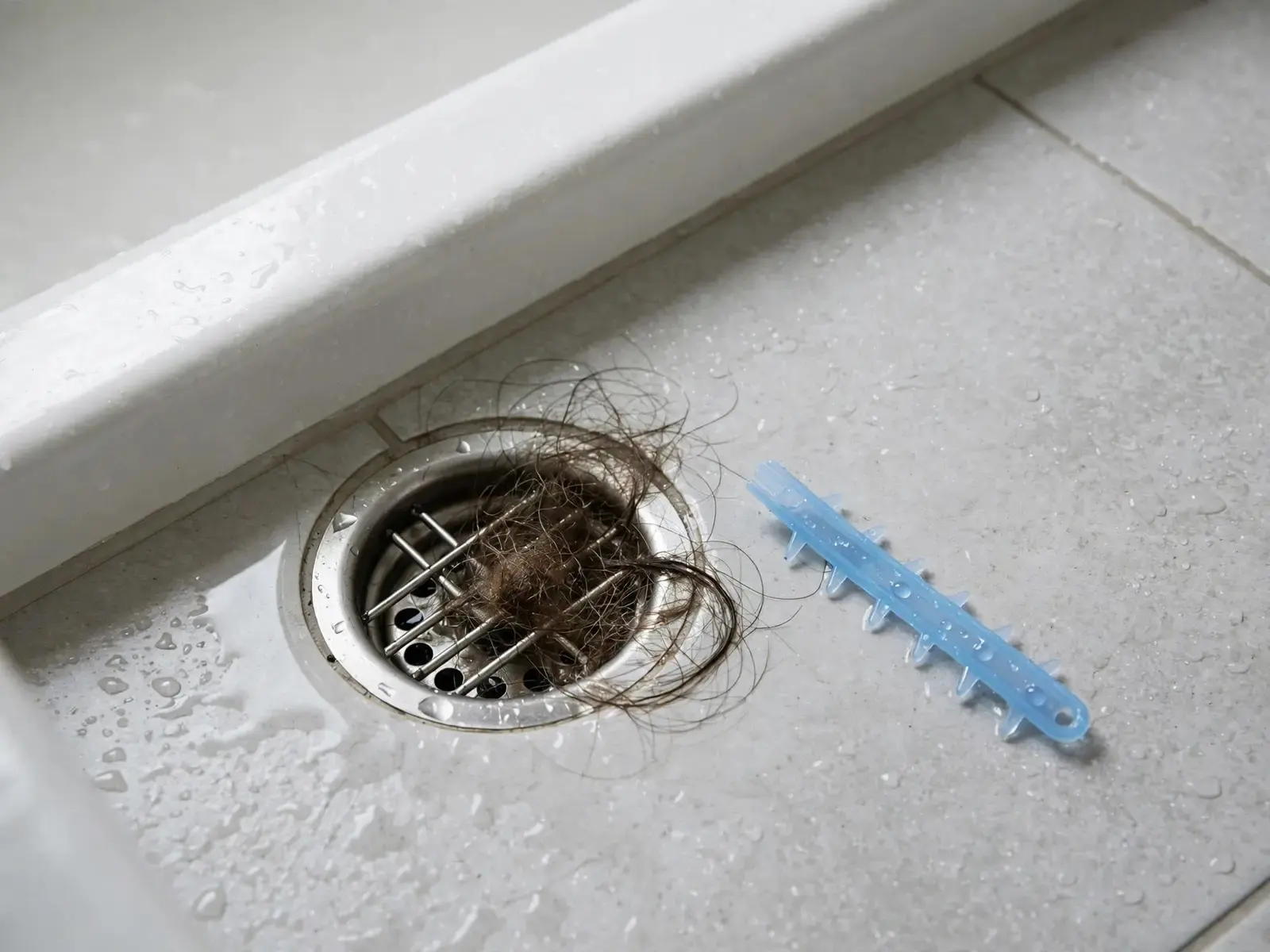
How to Unclog a Bathtub Drain
Most tub clogs are hair and soap scum caught at the stopper. Remove the stopper and clean it, pull out hair with a plastic barbed drain tool, then plunge with the overflow opening covered by a wet rag. If that fails, a hand snake through the overflow opening reaches the trap. If several drains are slow, the problem is further down the line.
Read the guide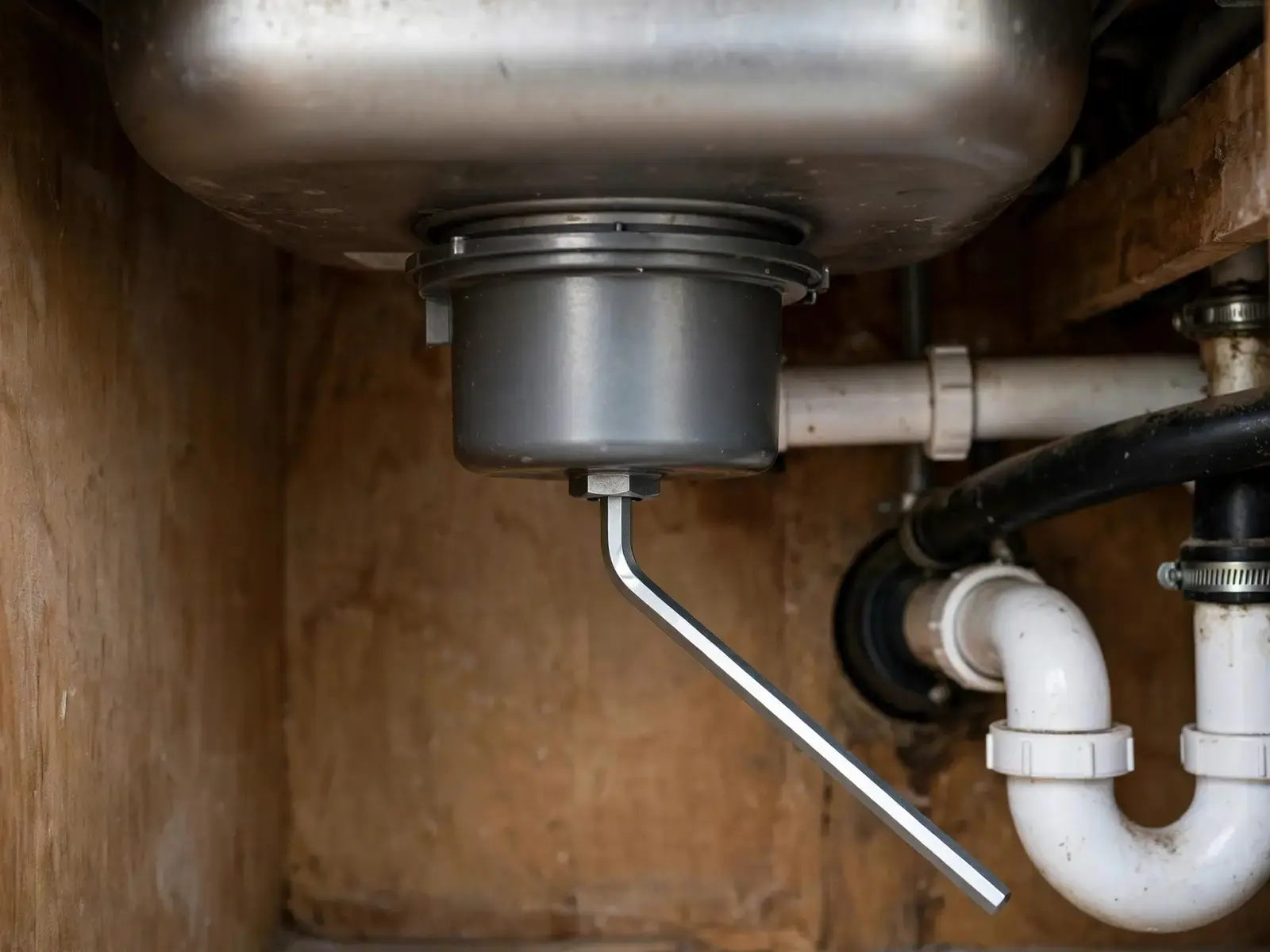
Garbage Disposal Not Working: How to Fix It
If the disposal hums but does not spin, it is jammed: turn off the power, use the hex key in the socket on the bottom to free it, then press the red reset button. If it does nothing at all, press the reset button and check the breaker. Never put your hand in the disposal. A disposal that leaks from its body usually needs replacing.
Read the guide
Why Do My Drains Gurgle?
A gurgling drain means air is being pulled through the water in a trap because the drain or its vent is partly blocked. One gurgling sink usually has a clog in its own branch line. Gurgling in several fixtures, especially a toilet gurgling when the washer drains or a tub bubbling when the toilet flushes, points to a main line clog or a blocked roof vent.
Read the guide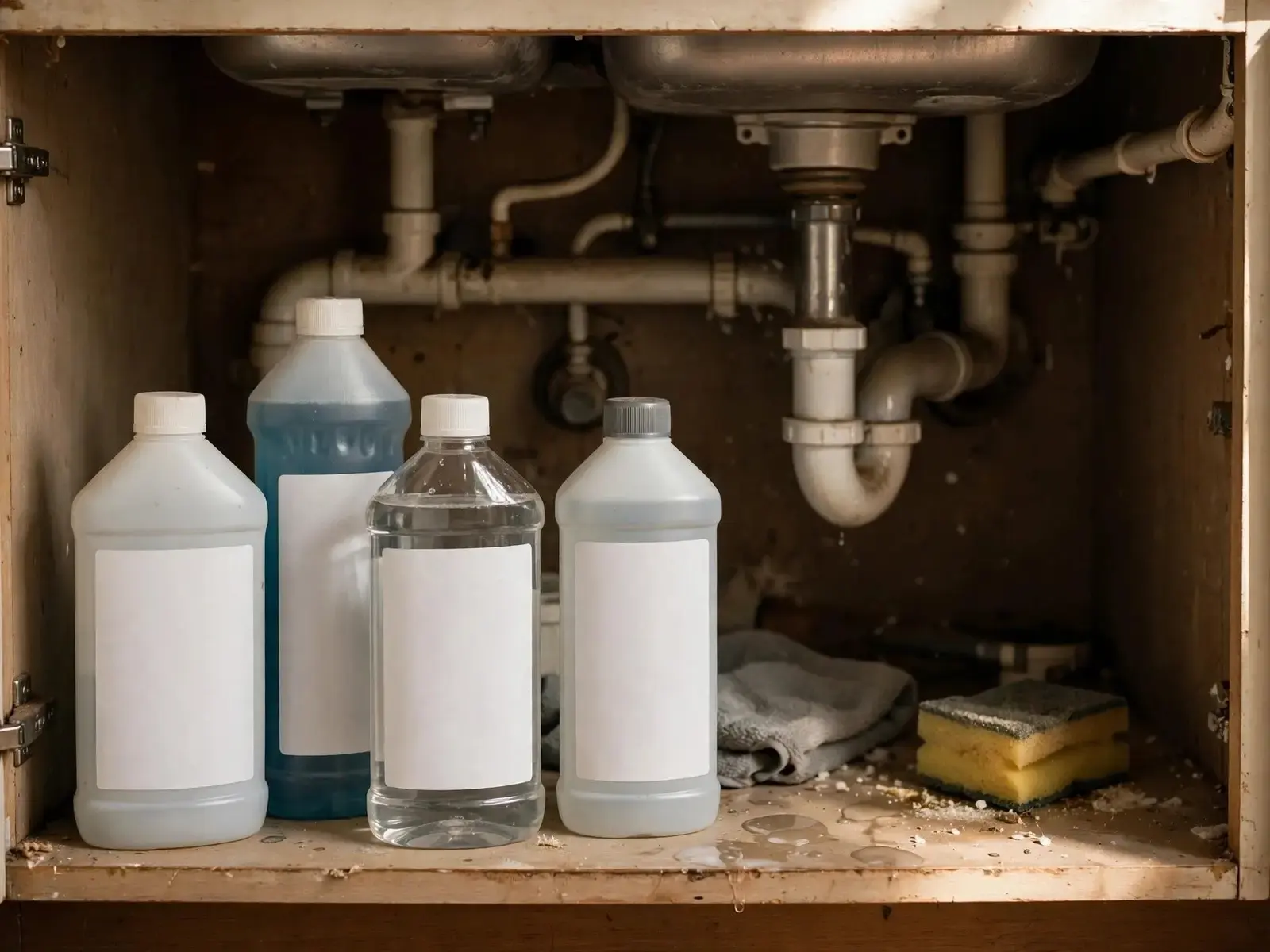
Are Chemical Drain Cleaners Safe for Pipes?
Chemical drain cleaners can clear a partial organic clog, but they carry real downsides: they rarely clear a full blockage, the heat and caustic chemistry can damage older metal pipes, PVC joints and fixture finishes, and they leave a hazardous liquid standing in the drain for whoever plunges or snakes it next. Mechanical clearing is safer and more effective.
Read the guide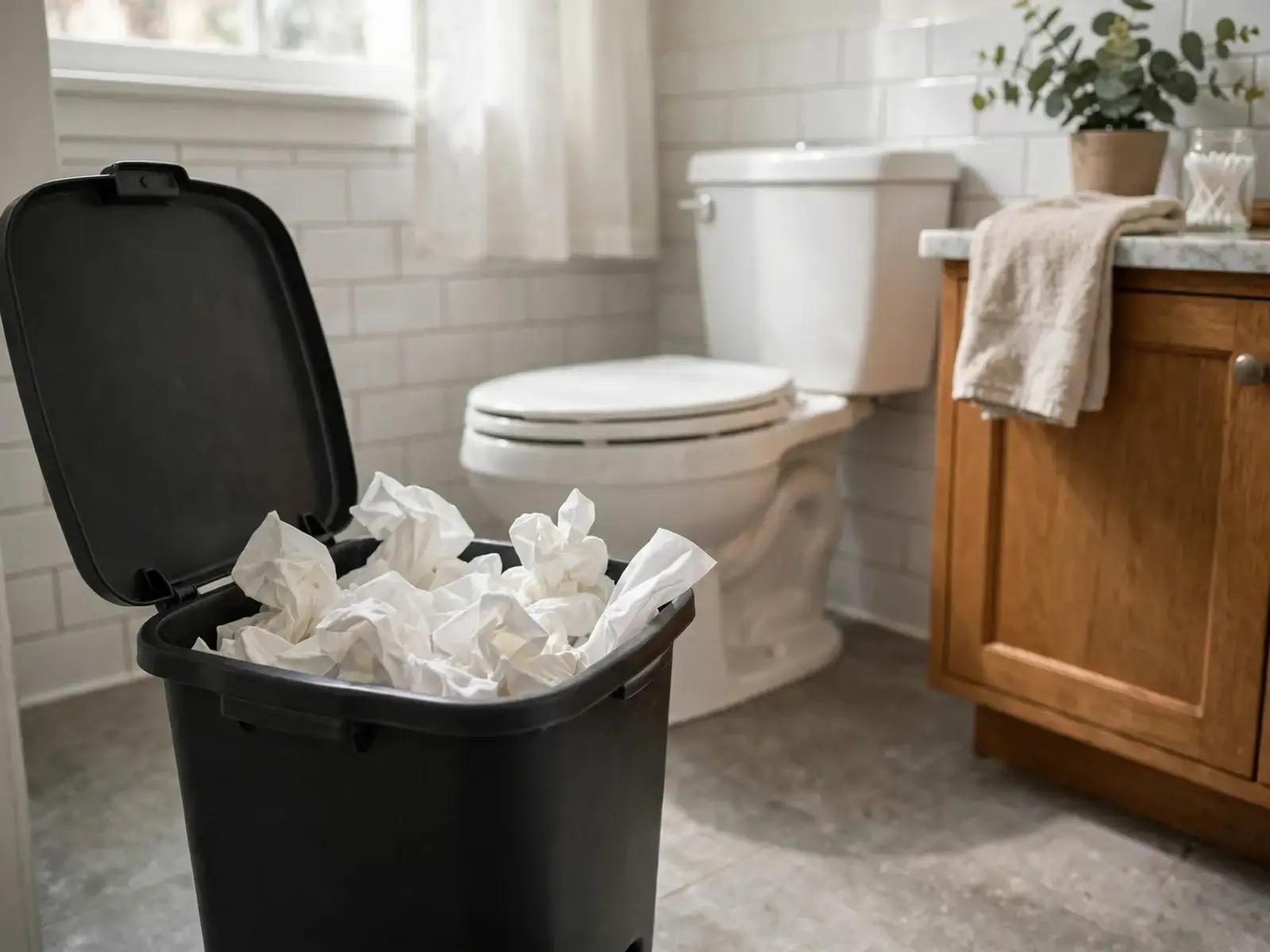
What Not to Flush Down the Toilet
Only toilet paper and human waste should be flushed. Wipes, including those labeled flushable, paper towels, tissues, cotton, dental floss, hair, feminine products, grease, cat litter and medicines cause clogs in house drains, sewer lines and septic systems, and contribute to sewer overflows in public systems.
Read the guide