Drains and clogs
Are Chemical Drain Cleaners Safe for Pipes?
Updated · By the Keystream Plumbing editorial team · How we research
How they work
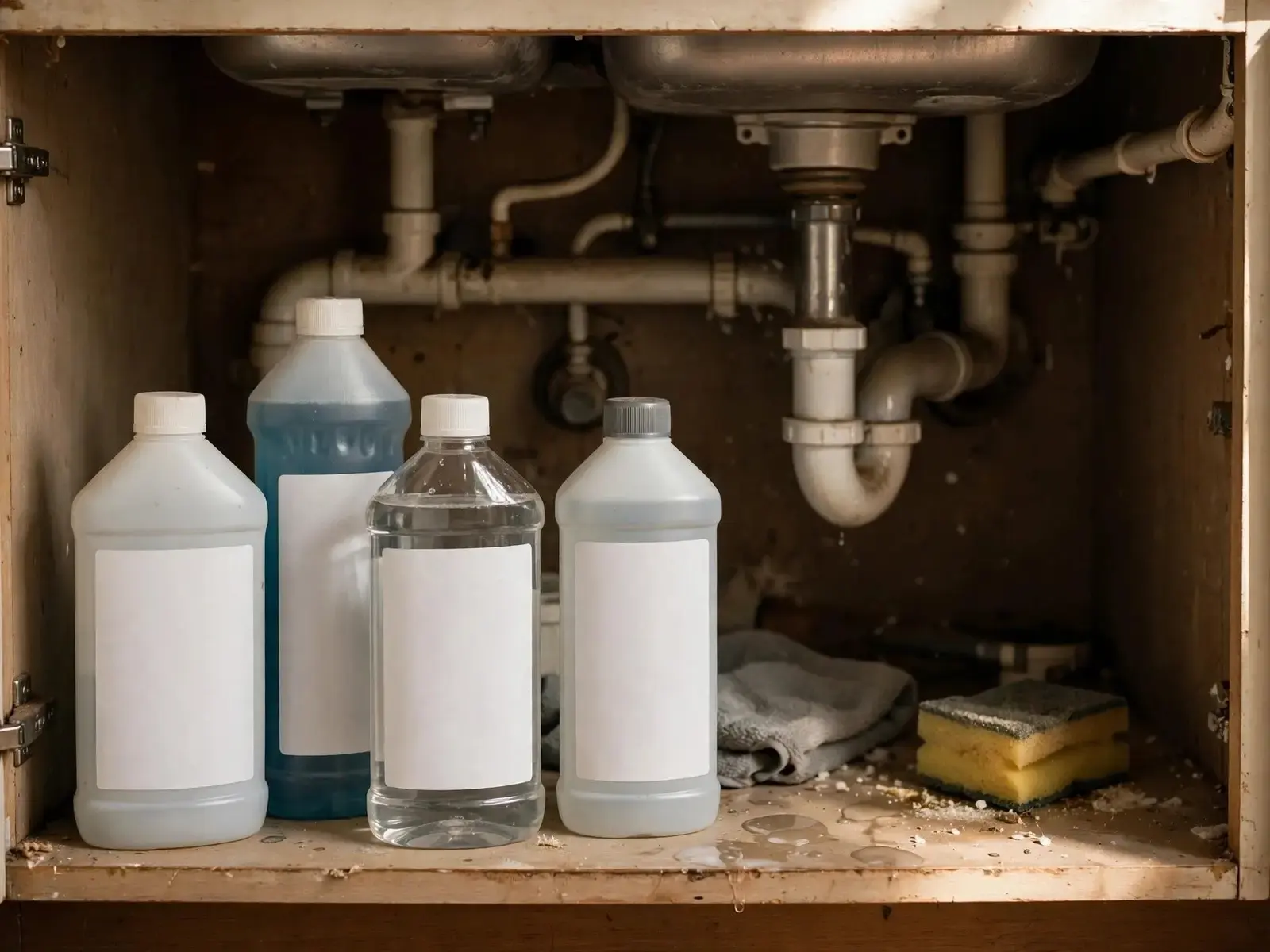
Most store-bought cleaners are caustic (lye-based) or oxidizing (bleach-based); professional-strength ones can be strong acids. They generate heat and break down hair, grease and soap. That works on partial clogs near the top of the drain.
The problems
- They sit on top of a full clog and do little to it, leaving a pool of chemical in the sink or tub
- Repeated use can corrode old cast-iron, galvanized and brass drain parts
- Heat can soften or stress plastic pipe and joints
- They can damage porcelain, enamel and chrome finishes
- Splashing back during plunging can burn skin and eyes
- They do nothing against roots, wipes, objects or a collapsed pipe
Tell the plumber
If you used a chemical cleaner and the drain is still blocked, tell the plumber before they start. It changes how they protect themselves and how they clear the drain.
Better options
Pull hair from tub and sink drains, clean the stopper and trap, use a plunger, then a hand snake. For a toilet, a flange plunger and a closet auger. Enzyme or bacterial cleaners used regularly can slow buildup in kitchen and bath drains without harming pipes. Our guides to unclogging a toilet and unclogging a bathtub drain walk through it.
When to call a plumber
Repeat clogs, several slow drains, or a clog that a plunger and snake will not clear need a plumber with the right cable or a water jetter. See drain cleaning and hydro jetting.
Frequently asked questions
Can drain cleaner be used in a toilet?
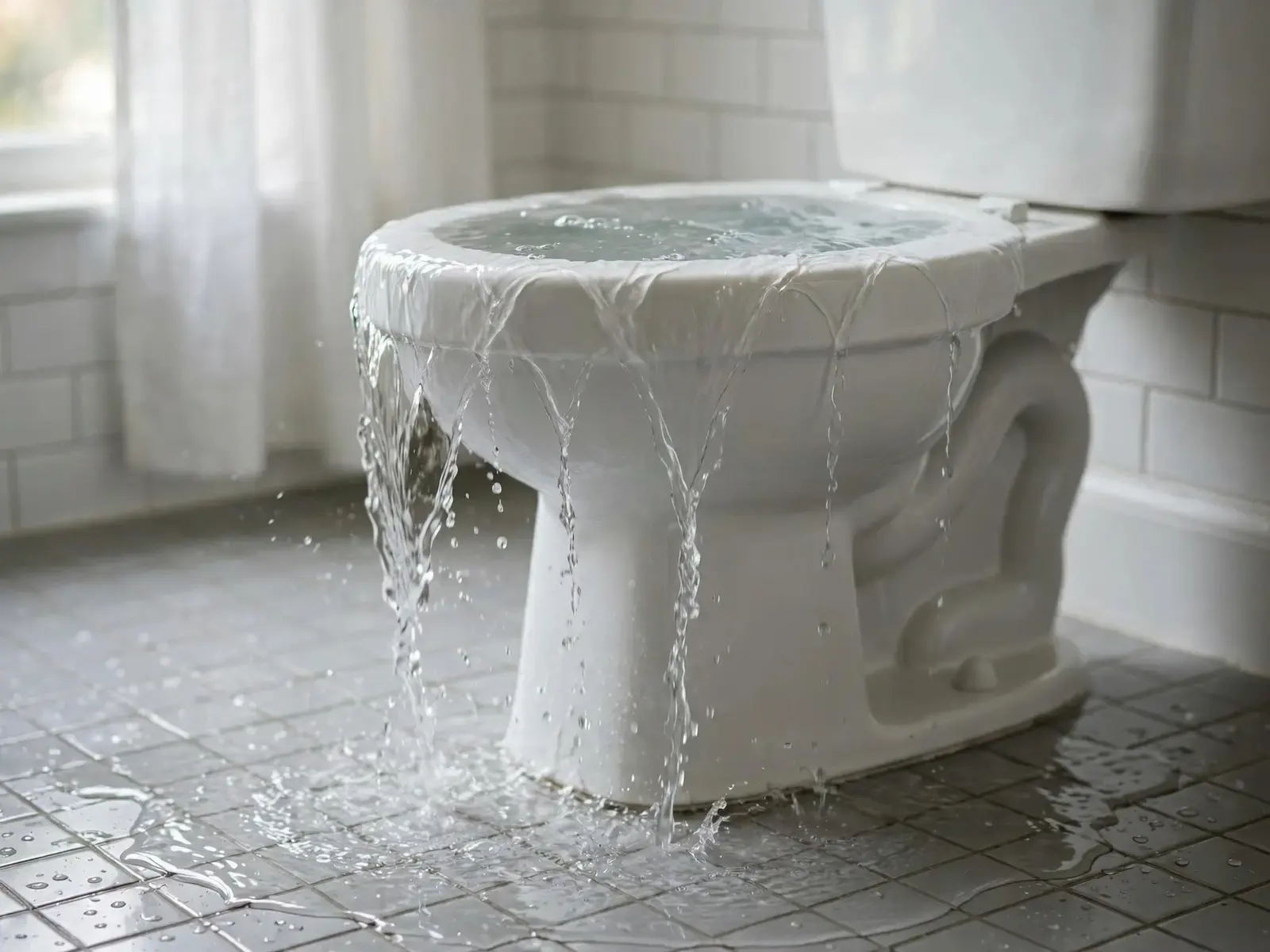
It is not recommended. It rarely clears paper or wipes and leaves caustic water in the bowl.
Are enzyme drain cleaners safe?
Enzyme and bacterial products are generally gentle on pipes and septic systems. They work slowly and are better for maintenance than for a full clog.
Is boiling water safe for drains?
Hot tap water helps flush grease. Boiling water can soften PVC joints and crack porcelain toilets, so avoid it in those.
Editorial note: This guide is general information for homeowners, not a substitute for an on-site assessment. Local codes and conditions vary; a licensed pro can confirm what applies to your home. See our editorial policy.