Pipes and fixtures
Gas line repair and installation
If you smell gas, leave the building and call your gas utility or 911 from outside; do not use switches, phones or flames indoors. Once the utility has made it safe, a licensed plumber or gas fitter finds the leak with a pressure test, repairs or replaces the piping, and has it inspected before gas is restored.
- Independent licensed local plumbers
- The plumber gives you a price before work starts
- Free referral, no obligation
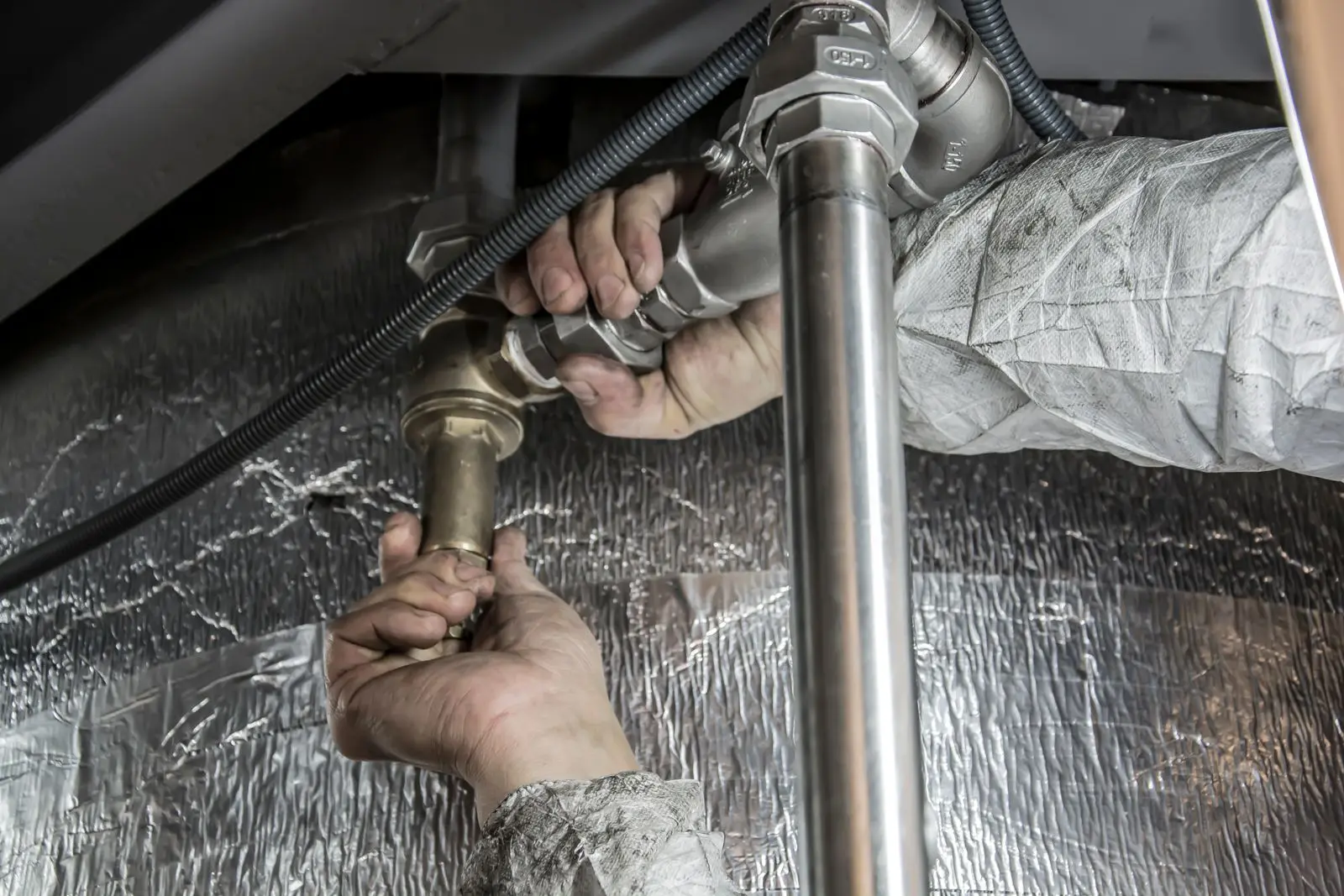
The gas utility owns the line up to and including the meter. Everything after the meter, the piping through the house and the connectors at each appliance, belongs to the owner. When the utility finds a leak on the house side, it shuts off the gas and tags the meter, and it will not turn service back on until a licensed contractor has repaired the piping and it has passed a pressure test.
Planned gas work is mostly about capacity and code. Adding a range, dryer, tankless water heater, generator, fire pit or pool heater means checking that the meter and pipe sizes can supply the total load, running correctly sized pipe, and pulling a permit. Tankless water heaters in particular often need a larger gas line than the tank they replace, which is part of water heater replacement planning. Licensing for gas work varies by state: some states license gas fitters separately from plumbers.
Gas Line Repair and Installation at a glance
- Service
- Gas Line Repair and Installation
- Category
- Pipes and fixtures
- Availability
- Same-day service is often available; call to check timing
- Service area
- Requests accepted from all 50 states and Washington, DC; availability depends on the pros near your ZIP code
- Also called
- gas leak repair, gas piping, gas line installation, gas fitter
- If you smell gas
- Leave first, then call the gas utility or 911 from outside
- Cost
- Quoted on site by the pro before work starts; see cost factors below
Signs you need gas line repair and installation
- A rotten-egg or sulfur smell (the odorant added to natural gas)
- A hissing sound near a gas line, meter or appliance
- Dead or discolored plants over a buried gas line
- Appliance flames that are yellow or lifting instead of steady blue
- A gas bill that rises with no change in use
What the pro does, step by step
- 1
Make safe
The utility or fire department shuts off gas at the meter. Nothing else happens until the area is safe.
- 2
Pressure test and locate
The plumber isolates the house piping, pressurizes it with air and uses a gauge and leak-detection solution to find every leak.
- 3
Repair or run new pipe
Leaking fittings, corroded pipe and old appliance connectors are replaced. New lines are sized for the appliance load.
- 4
Permit, inspection and relight
The work is inspected under permit, the utility restores service, and appliances are relit and checked.
What affects the cost of gas line repair and installation
Prices vary by market and job. The pro gives you a price before starting; these factors drive it.
- Whether the leak is at an accessible fitting or inside a wall or underground
- Length and size of new pipe for added appliances
- Pipe material allowed by local code
- Permit, pressure test and inspection requirements
- Whether the meter or regulator needs upgrading by the utility
What you can safely do, and when to stop
Safe to do yourself
- Leave the building immediately if you smell gas
- Call the gas utility or 911 from outside
- Know where your gas meter and its shutoff valve are
- Install carbon monoxide alarms on every level of the home
Stop and call a pro
- Do not operate light switches, appliances or phones inside when you smell gas
- Do not look for the leak yourself or relight pilots
- Do not attempt any gas piping work; it requires a license and a permit
- Call 811 before digging anywhere near a buried gas line
Gas Line Repair and Installation FAQ
What should I do if I smell gas in my house?
Leave right away, leaving the door open behind you, and do not touch light switches, appliances or your phone until you are outside. Then call your gas utility's emergency number or 911. Do not go back in until responders say it is safe.
Do plumbers fix gas lines?
In most states, yes: gas piping is part of the plumbing trade, though some states and cities require a separate gas fitter license. Confirm that the contractor is licensed for gas work where you live.
Who is responsible for a gas leak, me or the gas company?
The utility is responsible for the line up to and including the meter. The property owner is responsible for the piping from the meter to the appliances, including buried lines to a pool heater, grill or detached building.
Do I need a permit to add a gas line?
Almost everywhere, yes. New or altered gas piping is pressure tested and inspected before the utility will supply it.
Sources
- Call 811 before you dig, Common Ground Alliance
Gas Line Repair and Installation by location
Local water, housing and permit rules change what this job involves. Find local conditions for your area:
Somewhere else? Browse plumbing conditions in all 50 states.
Related services
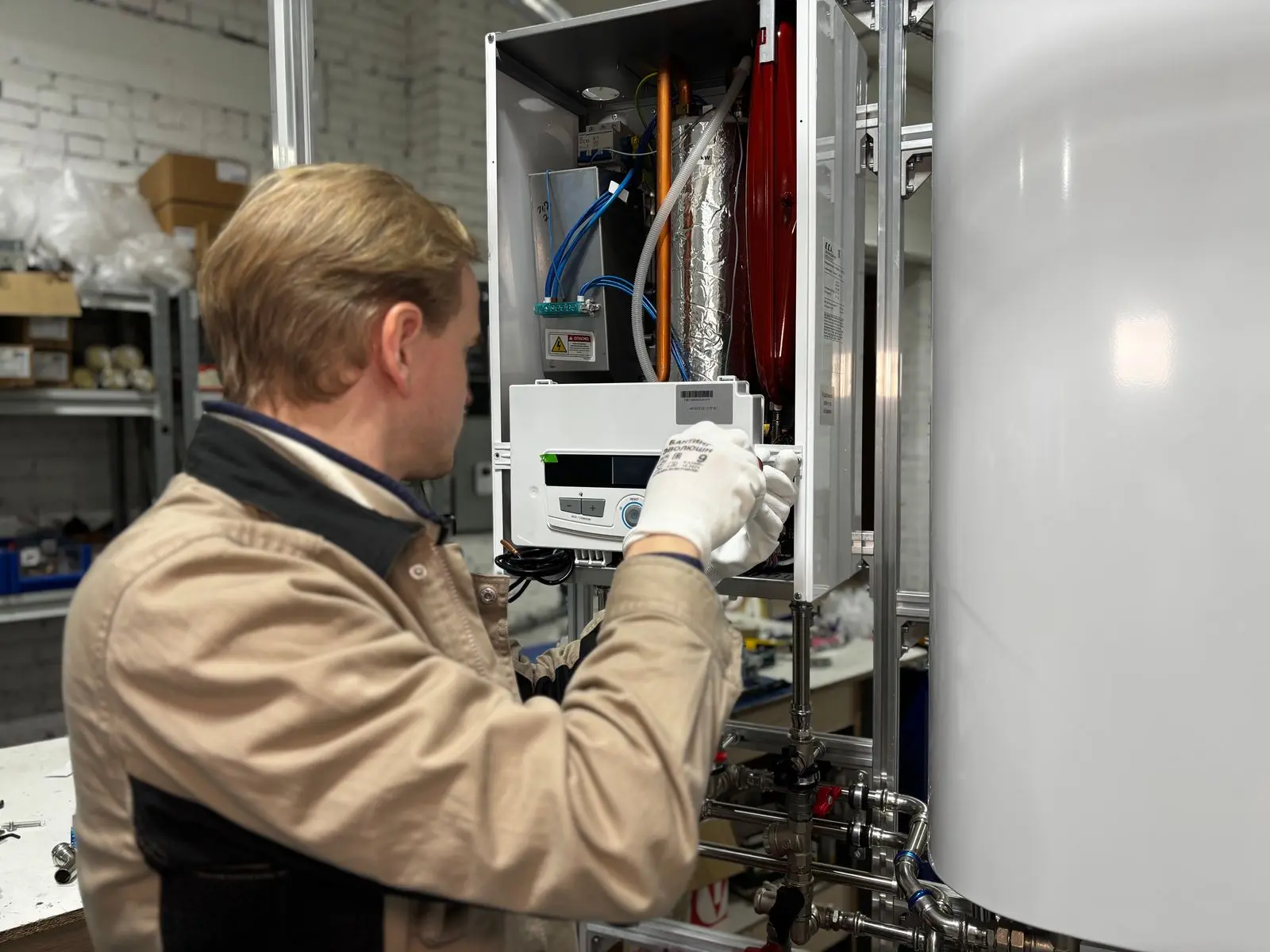
Water Heater Replacement
Replacing a water heater means choosing the right type and size, then installing it to current code, which often includes a new expansion tank, venting, seismic straps or a drain pan.
Learn more
Emergency Plumbing
An emergency plumber stops active leaks, sewage backups and loss of water or hot water before they damage your home.
Learn more
Water Heater Repair
Most water heater problems come from a failed heating element or thermostat (electric), a bad thermocouple, igniter or gas valve (gas), or sediment buildup.
Learn moreHelpful guides
No Hot Water? Causes and What to Check First
On an electric water heater, no hot water usually means a tripped breaker, a tripped high-limit reset button or a burned-out heating element. On a gas heater it is usually a pilot that has gone out, a failed thermocouple or igniter, or the gas being off.
Read the guide
When to Call an Emergency Plumber (and When It Can Wait)
Call an emergency plumber when water is actively damaging the home and you can't stop it, sewage is backing up, or you have no water at all. If you can stop the water at a shutoff valve and the home is still usable, it can usually wait for a regular appointment, which costs less.
Read the guideGet gas line repair and installation help now
Call (888) 555-0142 to reach an available local pro, or request service online.