
Pipes and fixtures
Toilet repair and replacement
Most toilet problems, like running, weak flushes and leaks, come from a worn flapper, fill valve or wax ring and are quick repairs. Cracked tanks or bowls and toilets that clog constantly are usually better replaced.
- Independent licensed local plumbers
- The plumber gives you a price before work starts
- Free referral, no obligation
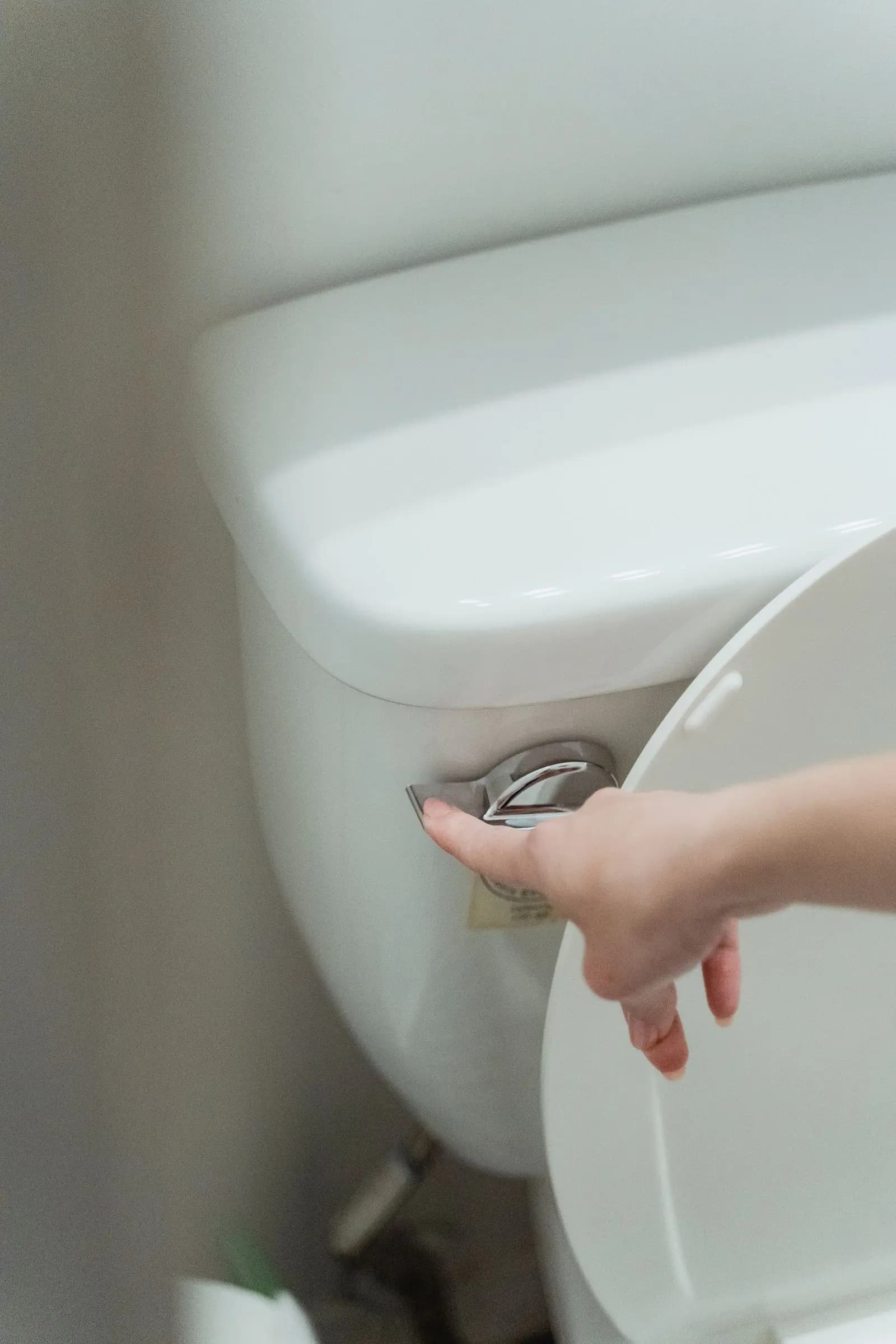
A running toilet can waste hundreds of gallons a day, and it's usually a worn flapper or a fill valve set too high. A leak at the base means the wax ring seal has failed, often because the toilet rocks; left alone, it rots the subfloor. Water on the floor from the tank bolts or supply line is a simpler fix.
When a toilet clogs every week, look at the toilet itself and the line behind it. Older low-flow models from the 1990s were notorious for weak flushes. If the whole house drains slowly, the problem is probably in the main line and needs drain cleaning instead.
Toilet Repair and Replacement at a glance
- Service
- Toilet Repair and Replacement
- Category
- Pipes and fixtures
- Availability
- Scheduled and same-day visits, depending on local availability
- Service area
- Requests accepted from all 50 states and Washington, DC; availability depends on the pros near your ZIP code
- Also called
- running toilet, toilet leak, toilet installation
- Common fix
- Flapper, fill valve or wax ring
- Cost
- Quoted on site by the pro before work starts; see cost factors below
Specific toilet repair jobs
Narrower jobs within this service, each with its own guide.
- Clogged ToiletIf a clogged toilet is rising, lift the tank lid and push the flapper closed, or turn the shutoff valve behind the toilet clockwise.
- Toilet InstallationInstalling a toilet means setting the bowl on the floor flange with a new wax or waxless seal, bolting it down level, connecting the supply and testing for leaks at the base and tank.
Signs you need toilet repair and replacement
- The toilet runs or refills on its own
- Water around the base
- The toilet rocks or feels loose
- Frequent clogs or weak flushes
- Cracks in the tank or bowl
What the pro does, step by step
- 1
Diagnose
The plumber checks the flapper, fill valve, flush valve, wax ring, flange and supply line.
- 2
Repair
Worn internal parts are replaced; the toilet is reset on a new seal if the base leaks.
- 3
Or replace
If the fixture is cracked or inefficient, a new toilet is installed and the old one hauled away.
- 4
Test
Multiple flushes confirm the seal, fill level and flush performance.
What affects the cost of toilet repair and replacement
Prices vary by market and job. The pro gives you a price before starting; these factors drive it.
- Part repair versus full replacement
- Damaged flange or subfloor
- Toilet style (standard, comfort height, wall-hung)
- Number of toilets
- Hauling the old fixture
What you can safely do, and when to stop
Safe to do yourself
- Replace a flapper or adjust the fill valve
- Plunge with a flange plunger
- Tighten the supply line connection gently
- Test for silent leaks with food coloring in the tank
Stop and call a pro
- Water leaks from the base
- The floor around the toilet is soft
- Cracked porcelain
- Clogs in several fixtures
Toilet Repair and Replacement FAQ
Why does my toilet keep running?
Usually a worn flapper lets water leak into the bowl, or the fill valve is set too high and water spills into the overflow tube. Both are inexpensive parts.
Is a leak at the base of the toilet serious?
Yes. It usually means the wax ring has failed, and sewage-contaminated water can soak into the subfloor. Stop using that toilet and have it reset.
How long do toilets last?
The porcelain can last decades, but internal parts wear out every 5 to 10 years. Many owners replace older toilets to get better flushing and lower water use.
Can I install a new toilet myself?
Many homeowners can, but a plumber should handle damaged flanges, soft subfloors or supply-valve replacement.
Should I repair or replace my toilet?
Repair it when the problem is a worn part such as a flapper, fill valve, handle or wax ring. Replace it when the bowl or tank is cracked, it clogs constantly, parts are no longer available or it is an older high-volume model.
How long does a toilet repair take?
Replacing tank parts usually takes under an hour. Resetting a toilet on a new wax ring, or fixing a damaged flange under it, takes longer because the toilet has to be drained, lifted and reseated.
Why does my toilet fill slowly or flush weakly?
A partly closed stop valve, a worn fill valve or a clogged supply line slows the refill. A weak flush usually comes from a low tank water level, mineral buildup in the rim jets or a partial clog in the trap.
How do I stop a toilet from overflowing?
Take the tank lid off and push the flapper down to stop water entering the bowl, then turn the stop valve behind the toilet clockwise. Wait for the level to drop before plunging, and do not flush again.
Why does my toilet rock or wobble?
The bolts may be loose, the floor uneven or the flange underneath broken or sitting too low. A rocking toilet breaks its wax seal and leaks into the floor, so have it reset rather than only tightened.
Sources
- Fix a Leak Week: household leak facts, US EPA WaterSense
- Residential toilets, US EPA WaterSense
Toilet Repair and Replacement by location
Local water, housing and permit rules change what this job involves. Find local conditions for your area:
Somewhere else? Browse plumbing conditions in all 50 states.
Related services
Drain Cleaning
Professional drain cleaning clears clogs with a drain cable (snake) or water jetting, then checks whether the clog is local to one fixture or in the main line.
Learn more
Faucet and Fixture Repair
Dripping faucets and shower valves are usually fixed by replacing a cartridge, washer or seat.
Learn more
Leak Detection
Leak detection locates hidden leaks in walls, floors, slabs and yard lines using meter tests, pressure testing, acoustic listening and thermal imaging, so the plumber opens only the spot that needs repair..
Learn moreHelpful guides
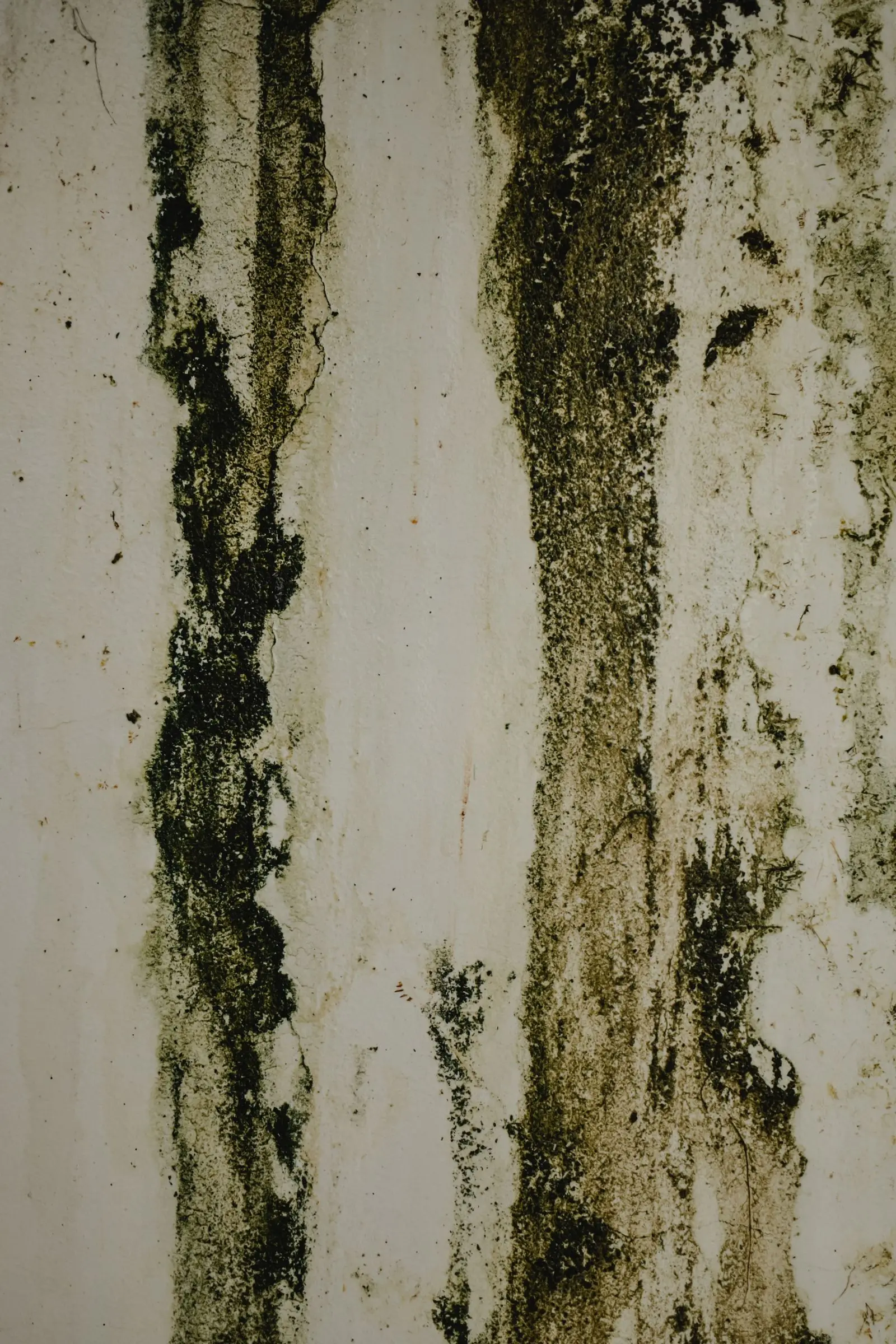
Signs of a Hidden Water Leak (and How to Check)
Watch for a rising water bill, a meter that moves with all water off, musty smells, stains, bubbling paint, warm floor spots and the sound of running water. The water meter test confirms a leak in about 15 minutes.
Read the guide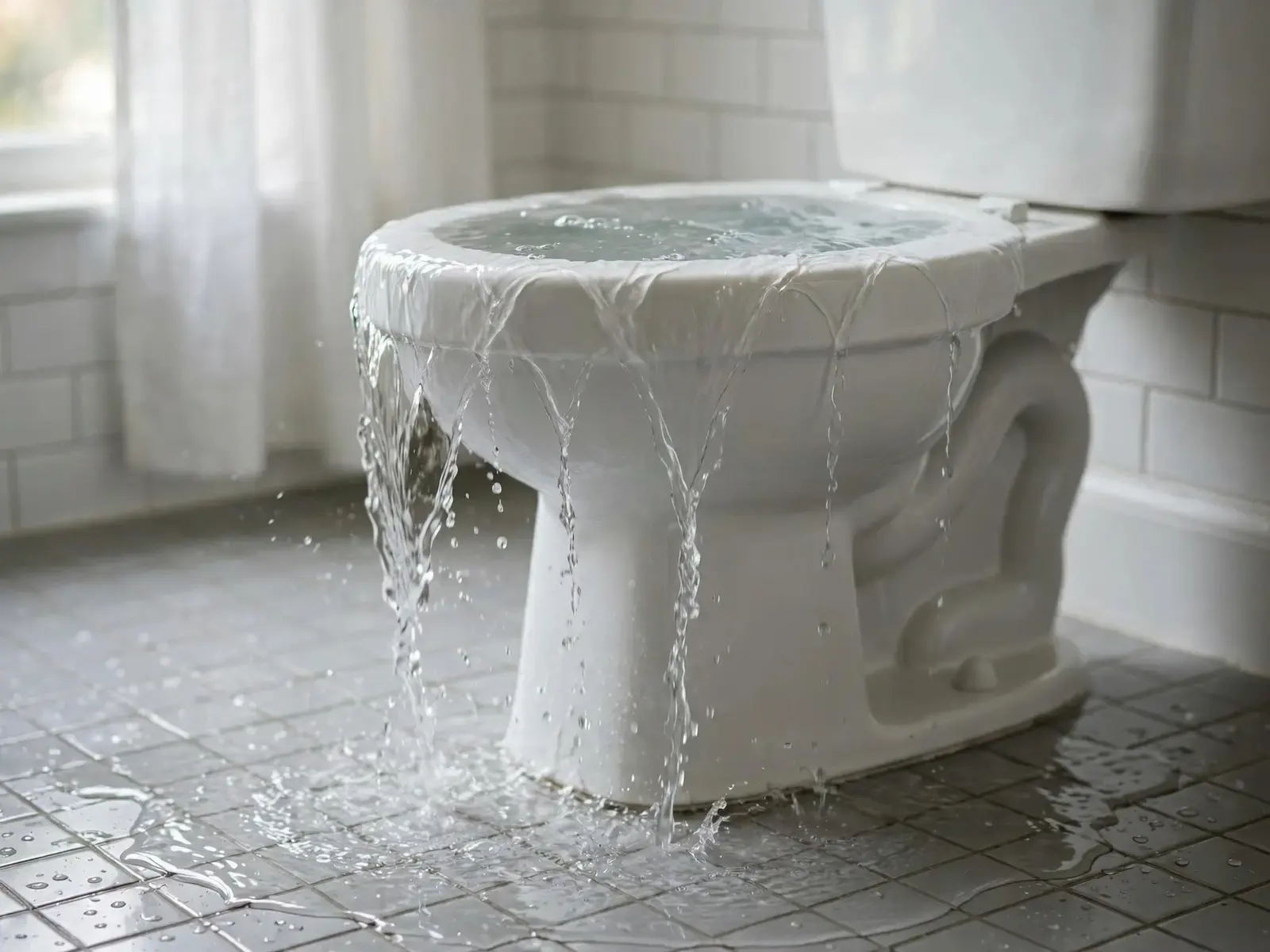
Toilet Overflowing? What to Do Right Now
Stop the water first: take the tank lid off and push the flapper down, then turn the shutoff valve behind the toilet clockwise until it stops. Once the water is off, clear the clog with a flange plunger. If other drains are backing up too, the problem is the main sewer line and you need a plumber.
Read the guide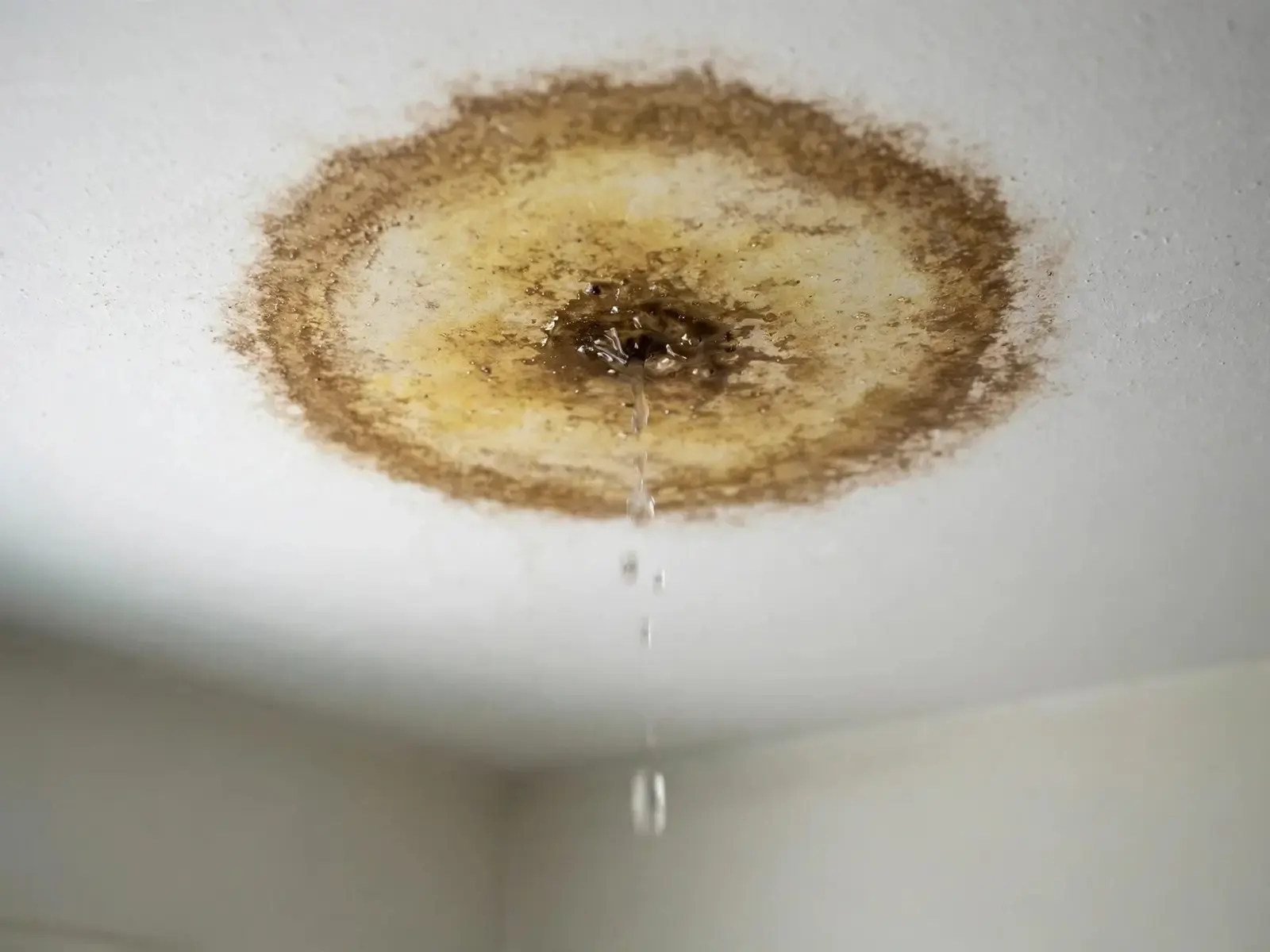
Water Leaking Through the Ceiling: What to Do
Turn off the fixture above or the main water valve, switch off power to any wet light fixture, and put a bucket under the drip. If the ceiling is bulging, a small hole at the lowest point lets the water drain in a controlled way. Then use the timing of the leak to find the source: constant leaks are usually supply lines, leaks only during use are drains or showers, and leaks only during rain are the roof.
Read the guideGet toilet repair and replacement help now
Call (833) 520-4758 to reach an available local pro.