Water heaters
Water heater repair for gas, electric and tankless units
Most water heater problems come from a failed heating element or thermostat (electric), a bad thermocouple, igniter or gas valve (gas), or sediment buildup. A leak from the tank itself usually means replacement, not repair.
- Independent licensed local plumbers
- The plumber gives you a price before work starts
- Free referral, no obligation
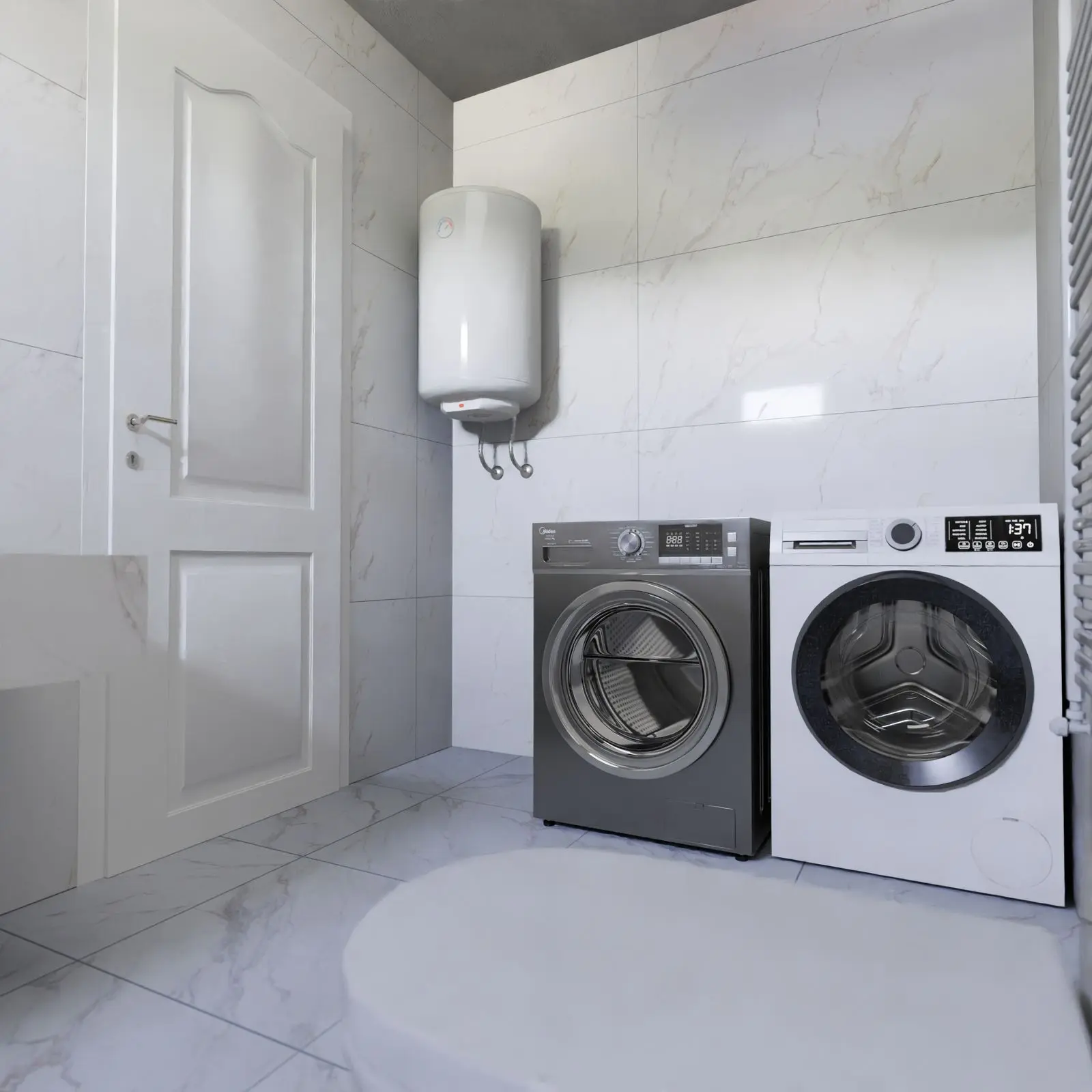
Start by narrowing it down. No hot water at all on an electric heater often points to a tripped breaker, a reset button or a burned-out element. Hot water that runs out fast suggests a failed lower element or a broken dip tube. On a gas heater, a pilot that won't stay lit usually means a thermocouple or flame sensor. Popping and rumbling are sediment, which is especially common where the water is hard.
The repair decision often comes down to age and the tank. Tank water heaters commonly last around 8 to 12 years. Parts like elements, thermostats, anode rods and gas controls are worth replacing on a younger unit. Water leaking from the tank body means the steel has rusted through, and the only fix is water heater replacement.
Water Heater Repair at a glance
- Service
- Water Heater Repair
- Category
- Water heaters
- Availability
- Scheduled and same-day visits, depending on local availability
- Service area
- Requests accepted from all 50 states and Washington, DC; availability depends on the pros near your ZIP code
- Also called
- hot water heater repair, no hot water, water heater service
- Typical life
- About 8 to 12 years for tank heaters
- Cost
- Quoted on site by the pro before work starts; see cost factors below
Specific water heater repair jobs
Narrower jobs within this service, each with its own guide.
Signs you need water heater repair
- No hot water, or it runs out quickly
- Water that is rusty or smells like rotten eggs
- Popping, rumbling or banging from the tank
- Water pooling around the base of the heater
- A pilot light that won't stay lit, or a tripping breaker
What the pro does, step by step
- 1
Safety check
The plumber checks gas connections and venting on gas units, and power and wiring on electric units.
- 2
Diagnose
Elements, thermostats, thermocouples, igniters, the gas valve, T&P valve and anode rod are tested to find the failed part.
- 3
Repair or recommend
Failed parts are replaced on the spot when possible. If the tank is leaking or the unit is near end of life, you get a replacement quote.
- 4
Flush and set
Where appropriate, the tank is flushed of sediment and the temperature set to around 120°F.
What affects the cost of water heater repair
Prices vary by market and job. The pro gives you a price before starting; these factors drive it.
- Gas, electric or tankless
- Which part failed and whether it's in stock
- Age and brand of the heater
- Whether flushing or descaling is needed
- Access (attic, closet or crawl space installs take longer)
What you can safely do, and when to stop
Safe to do yourself
- Check the breaker or reset button on an electric heater
- Relight a gas pilot following the label on the tank
- Drain a few gallons from the valve to check for sediment
- Set the thermostat to about 120°F
Stop and call a pro
- Gas smell or scorch marks near the burner
- Water leaking from the tank body
- The T&P relief valve is discharging
- You'd need to open electrical panels on the heater
Water Heater Repair FAQ
How long does a water heater last?
Tank water heaters commonly last about 8 to 12 years; tankless units can last 15 to 20 years with regular descaling. Hard water and skipped maintenance shorten both.
Is it worth repairing an old water heater?
If the unit is under about 8 years old and the tank isn't leaking, replacing a part is usually worth it. If it's older and needs a major repair, replacement is often the better value.
Why does my hot water smell like rotten eggs?
Bacteria in the tank can react with the magnesium anode rod and produce hydrogen sulfide. Replacing the anode with an aluminum-zinc rod and flushing the tank usually fixes it.
Why is my water heater making popping noises?
Sediment on the bottom of the tank traps water that boils and pops as the burner or element heats it. Flushing helps; in very hard water areas it may need to be done every year.
How long does a water heater repair take?
Replacing a common part such as a thermocouple, heating element, thermostat or relief valve usually takes one to two hours. Draining and flushing a tank with heavy sediment, or waiting on a part for a less common model, takes longer.
Why is water leaking from the bottom of my water heater?
If the water is coming from the drain valve or the relief valve discharge pipe, the part can be replaced. If it is seeping from the tank itself, the steel has corroded through and the heater has to be replaced, because a tank cannot be patched.
Why does my hot water run out faster than it used to?
On an electric heater the lower element or its thermostat has usually failed, so only the top of the tank heats. On any tank, a broken dip tube mixes cold water in at the top and thick sediment takes up space that used to hold hot water.
Is it safe to relight a pilot light myself?
Yes, if you follow the lighting instructions on the heater's label and there is no gas smell. If you smell gas, the pilot will not stay lit after two tries, or the area around the burner is scorched, stop and call a plumber.
What should I check before calling about a water heater?
For electric, check the breaker and press the red reset button behind the upper access panel. For gas, check that the pilot is lit and the gas valve is on. Note the age from the serial number and where any water is coming from; that tells the plumber what to bring.
Water Heater Repair by location
Local water, housing and permit rules change what this job involves. Find local conditions for your area:
Water Heater Repair city guides
Local plumbing conditions
Somewhere else? Browse plumbing conditions in all 50 states.
Related services
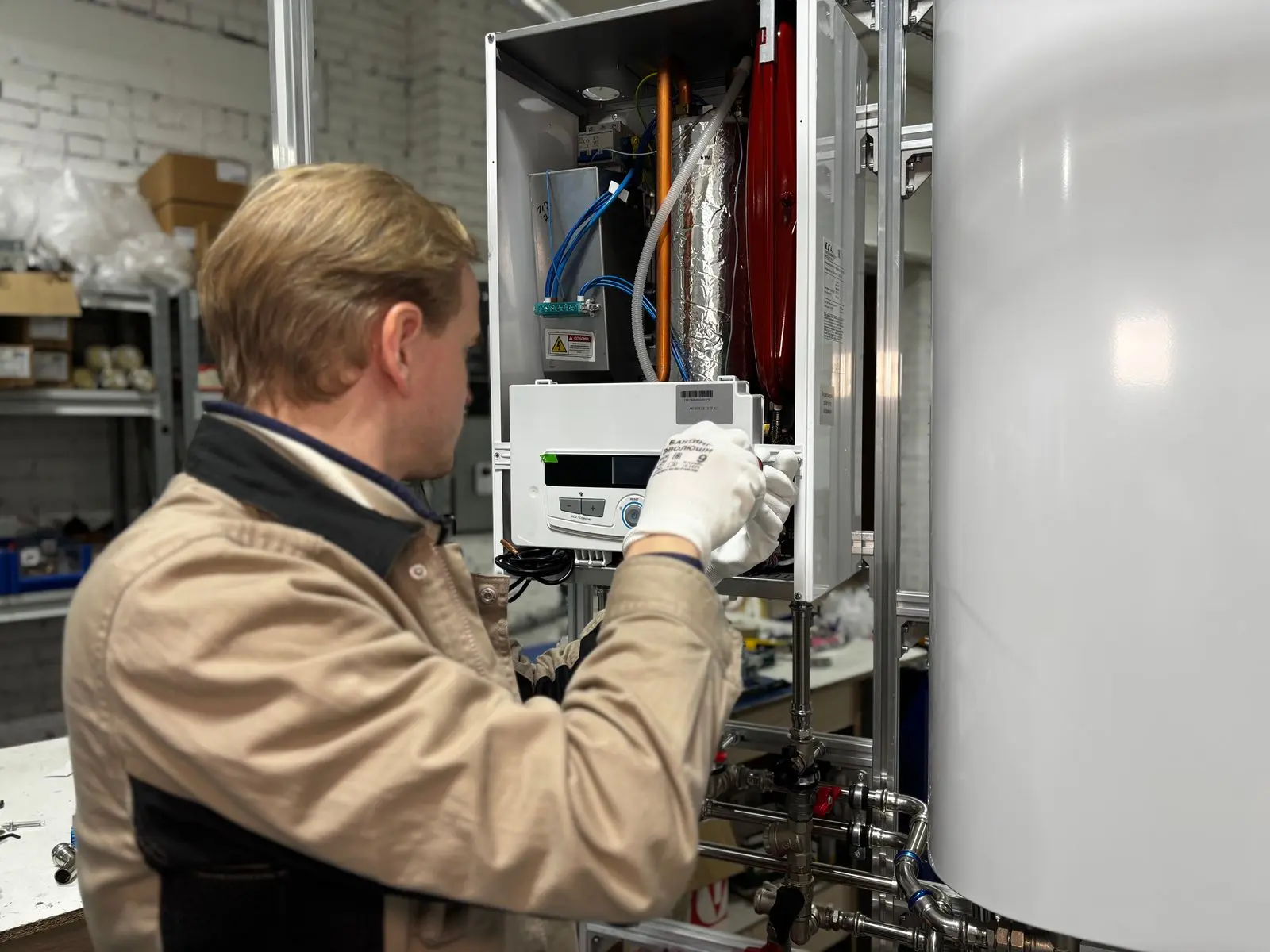
Water Heater Replacement
Replacing a water heater means choosing the right type and size, then installing it to current code, which often includes a new expansion tank, venting, seismic straps or a drain pan.
Learn more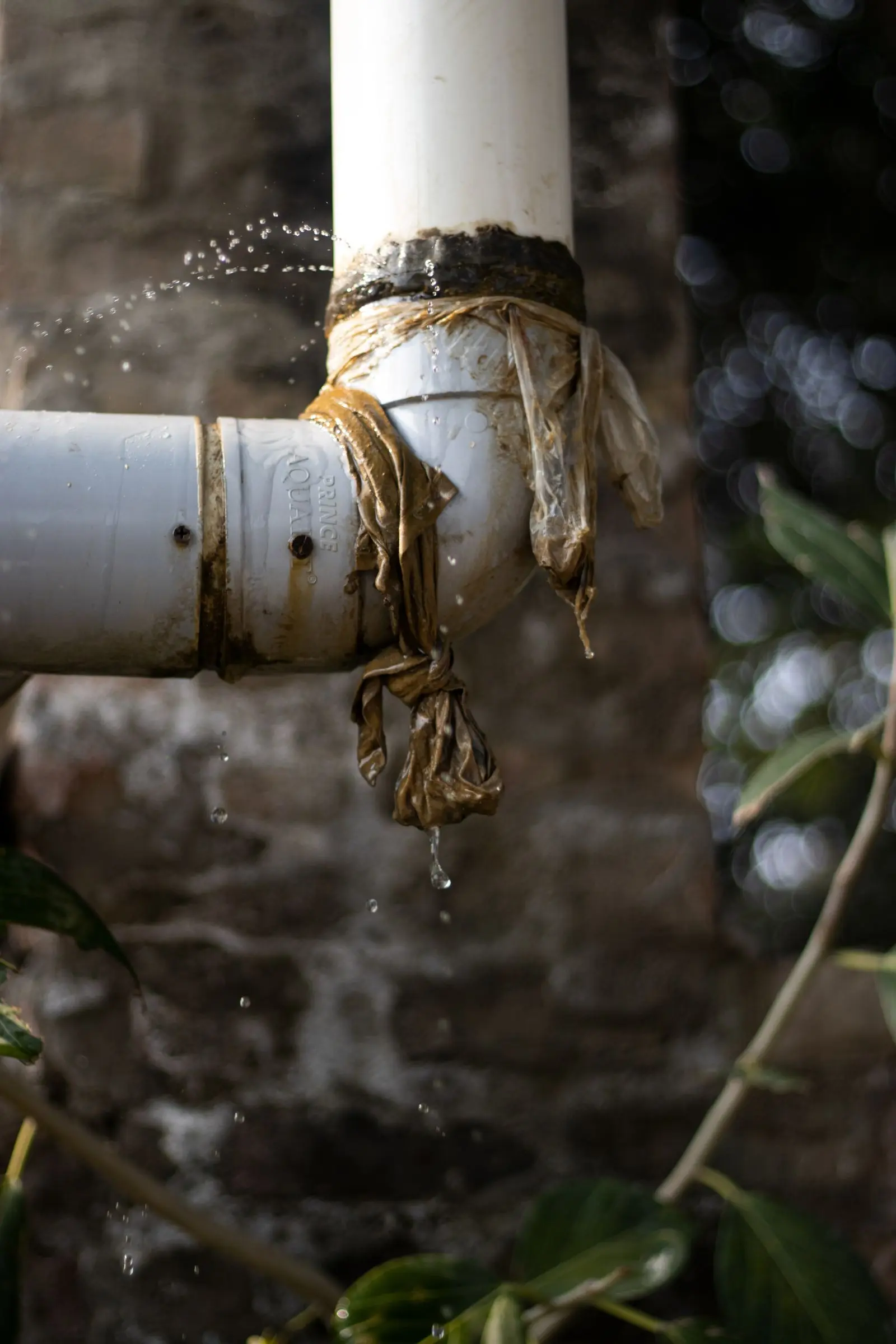
Leak Detection
Leak detection locates hidden leaks in walls, floors, slabs and yard lines using meter tests, pressure testing, acoustic listening and thermal imaging, so the plumber opens only the spot that needs repair..
Learn more
Emergency Plumbing
An emergency plumber stops active leaks, sewage backups and loss of water or hot water before they damage your home.
Learn moreHelpful guides
Water Heater Leaking? What to Do Right Now
Turn off the cold water supply valve on top of the heater and shut off the power or set the gas to off. Then find the source: fittings and valves can be repaired, but a leak from the tank itself means the heater must be replaced.
Read the guideTank vs. Tankless Water Heater: Which Is Right for You?
Tank heaters cost less to buy and install and are simple to replace. Tankless heaters cost more upfront but supply endless hot water, take less space and last longer. Your gas line, venting and how long you'll stay usually decide it.
Read the guideNo Hot Water? Causes and What to Check First
On an electric water heater, no hot water usually means a tripped breaker, a tripped high-limit reset button or a burned-out heating element. On a gas heater it is usually a pilot that has gone out, a failed thermocouple or igniter, or the gas being off.
Read the guideGet water heater repair help now
Call (833) 520-4758 to reach an available local pro.