Plumbing Services Nationwide
Keystream Plumbing connects you with independent local plumbers for 12 services, from emergencies to planned work, in all 50 states. Pick a service to see what it involves, what affects the price and what to do before the pro arrives.
Emergencies and leaks
Burst pipes, hidden leaks and slab leaks, handled fast to limit water damage.
Emergency Plumbing
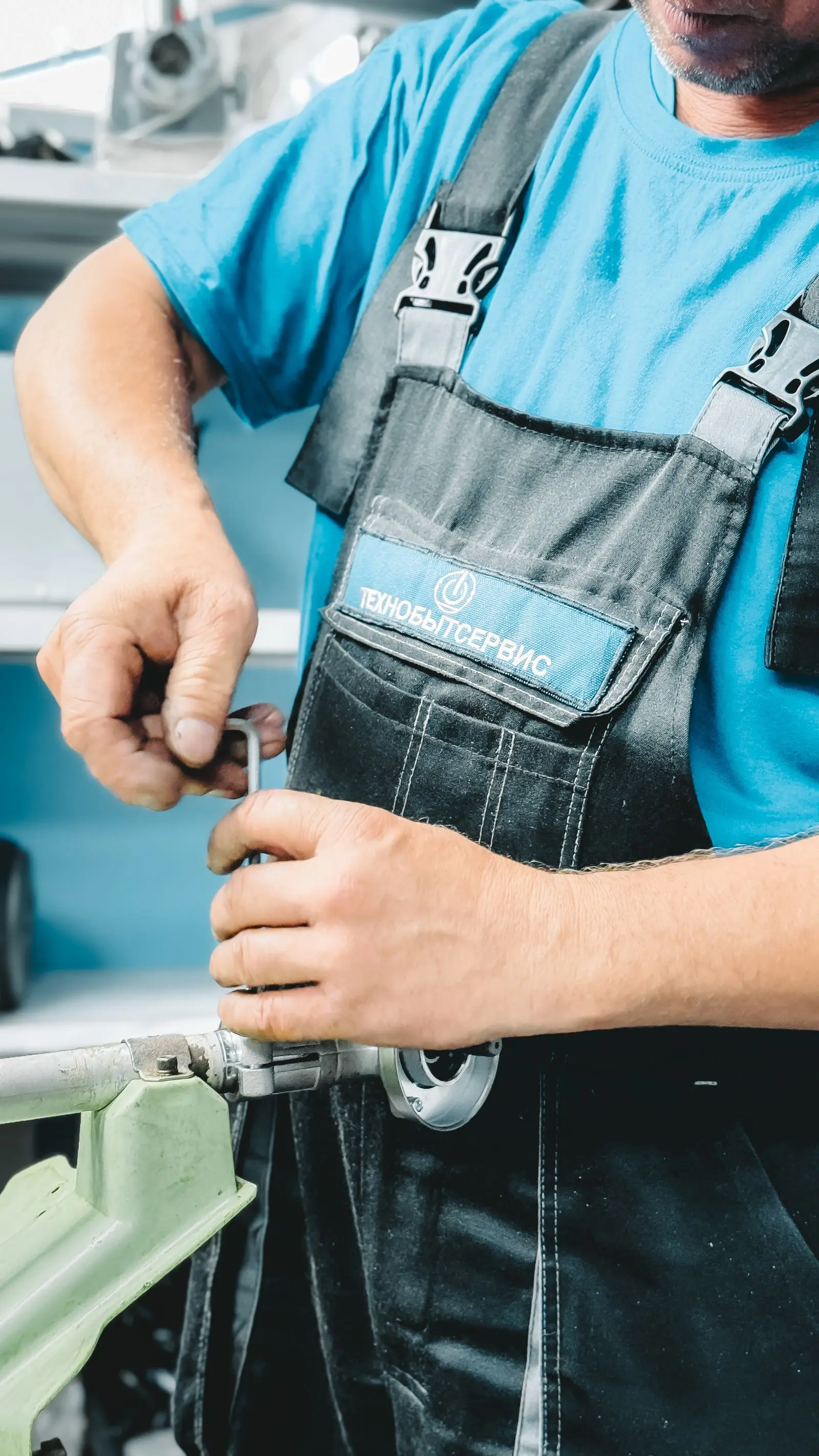
An emergency plumber stops active leaks, sewage backups and loss of water or hot water before they damage your home. Shut off the main water valve first, then call; a local plumber can often be on the way the same day.
Learn more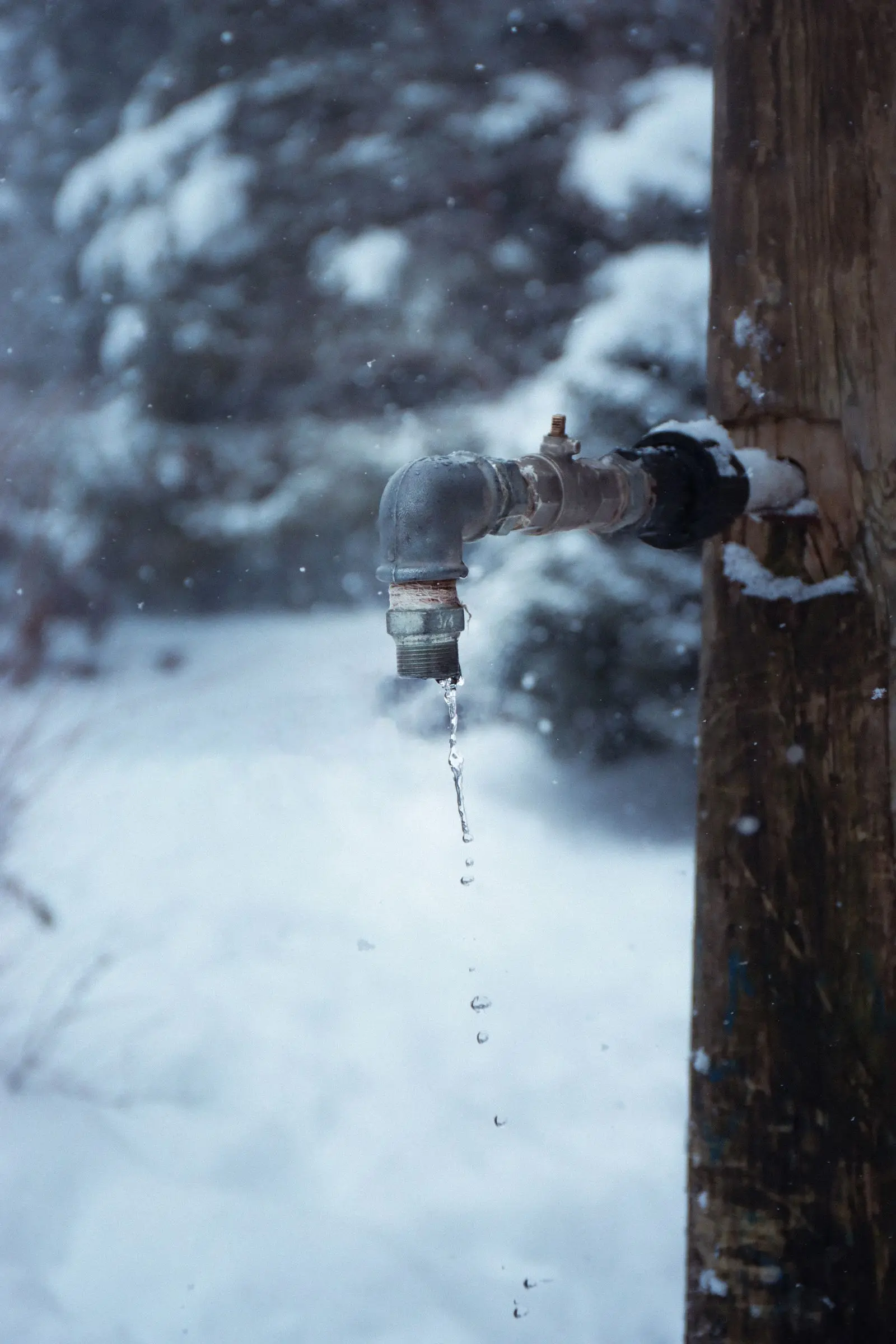
Burst and Frozen Pipe Repair
If a pipe has frozen, shut off the main water valve before it thaws, open the faucets it feeds and warm the area gently. If it has already burst, keep the water off and call a plumber to replace the split section.
Learn more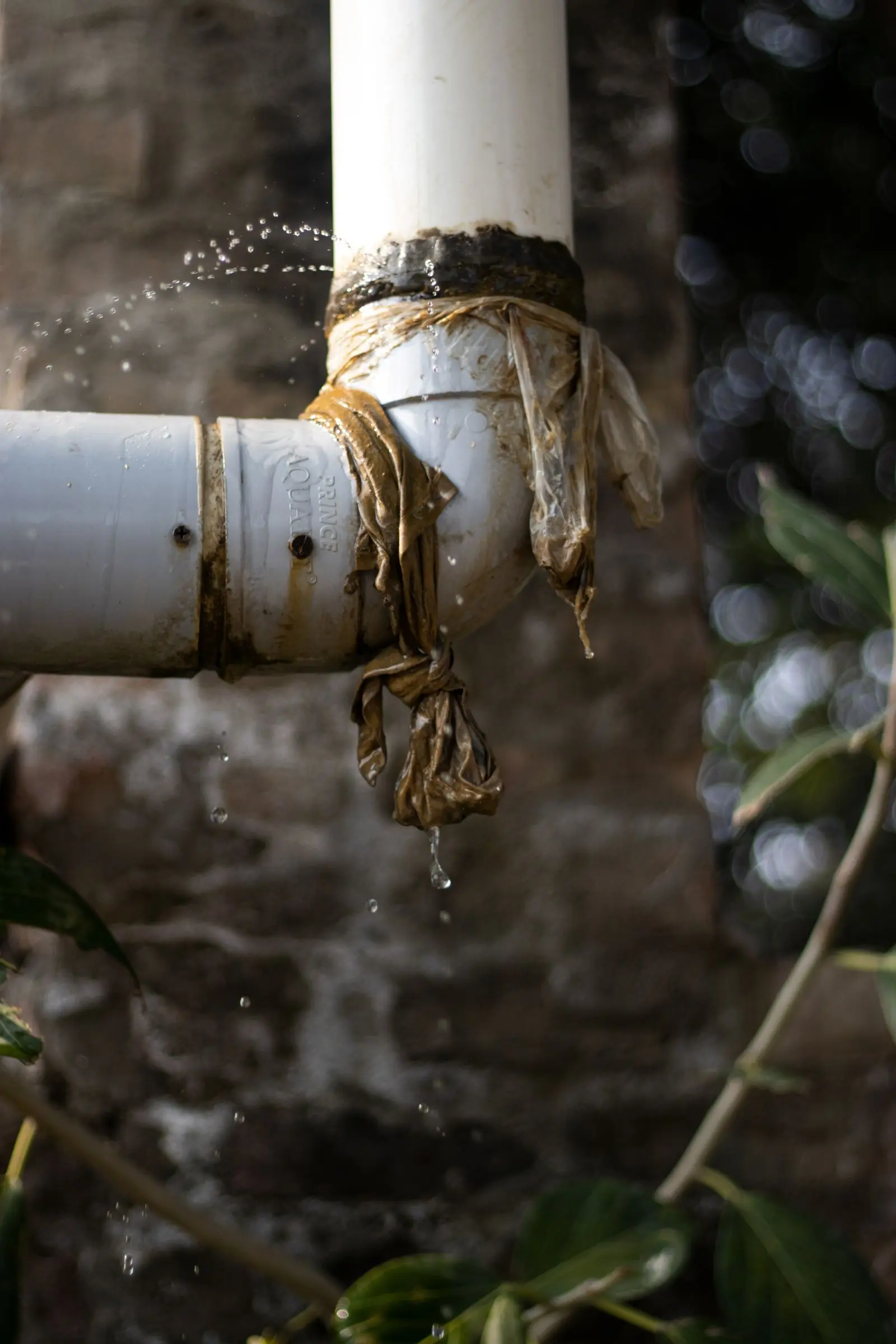
Leak Detection
Leak detection locates hidden leaks in walls, floors, slabs and yard lines using meter tests, pressure testing, acoustic listening and thermal imaging, so the plumber opens only the spot that needs repair.
Learn more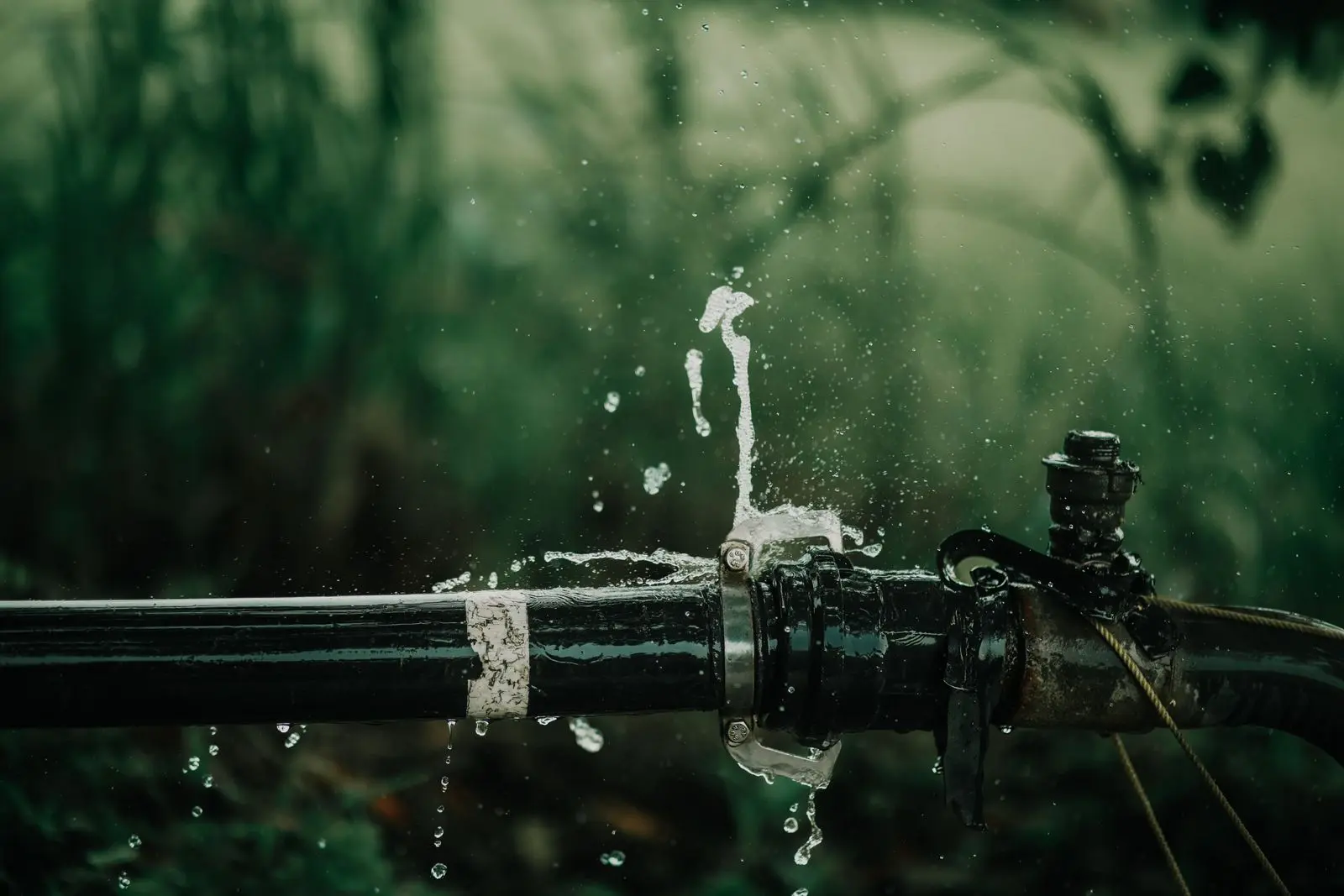
Slab Leak Repair
A slab leak is a leak in a water line under a concrete foundation. It is repaired by opening the slab at the leak for a spot repair, or by rerouting the line through walls or the attic, which is often better when pipes are aging.
Learn moreDrains and sewer
Clogged drains, main sewer lines and sump pumps.
Drain Cleaning
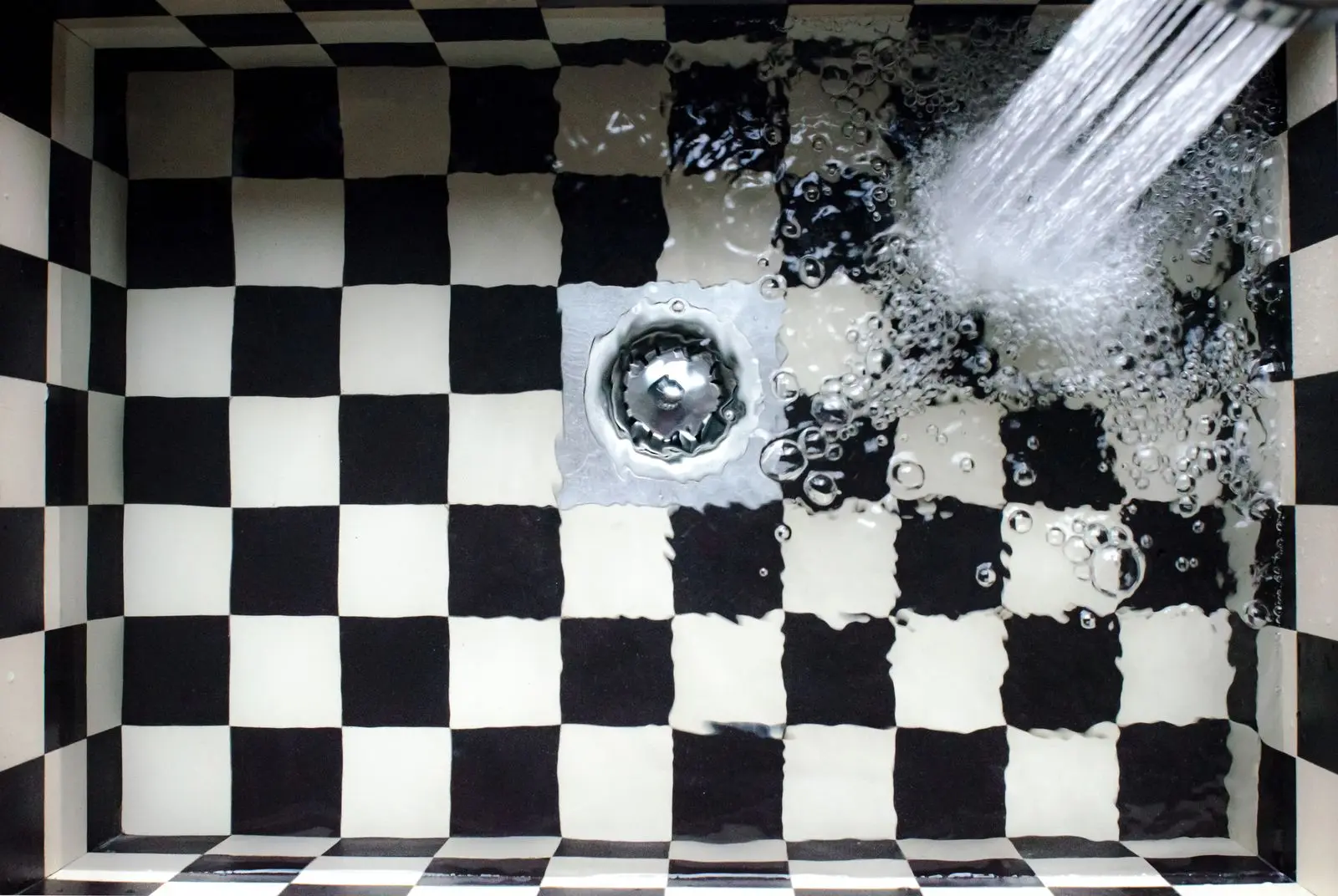
Professional drain cleaning clears clogs with a drain cable (snake) or water jetting, then checks whether the clog is local to one fixture or in the main line. If more than one fixture is slow, the problem is usually further down the line.
Learn more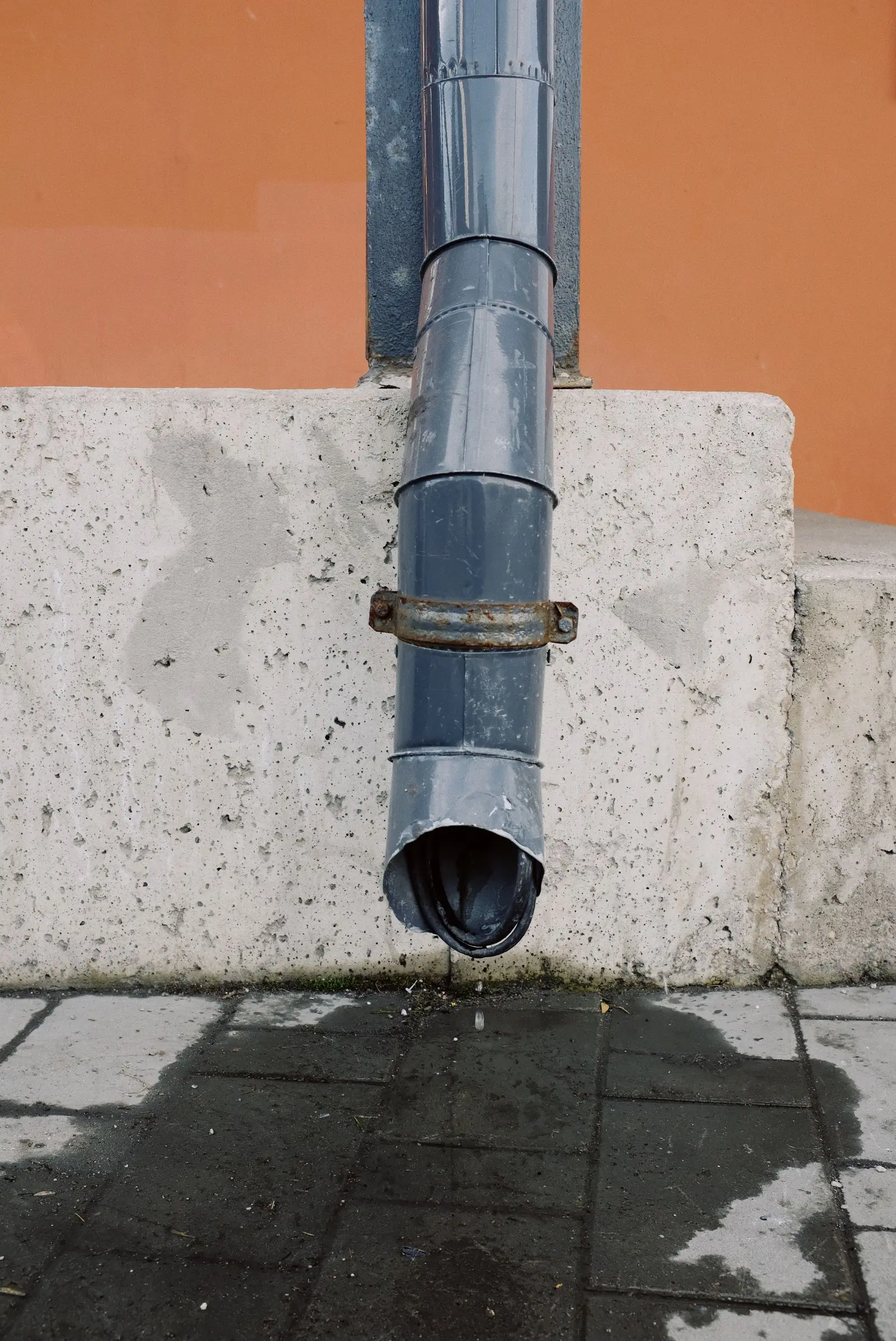
Sewer Line Repair
Sewer line repair starts with a camera inspection to find roots, cracks, sags or collapsed pipe. Depending on the damage, the fix is a spot repair, a trenchless liner or pipe bursting, or a traditional dig-and-replace.
Learn more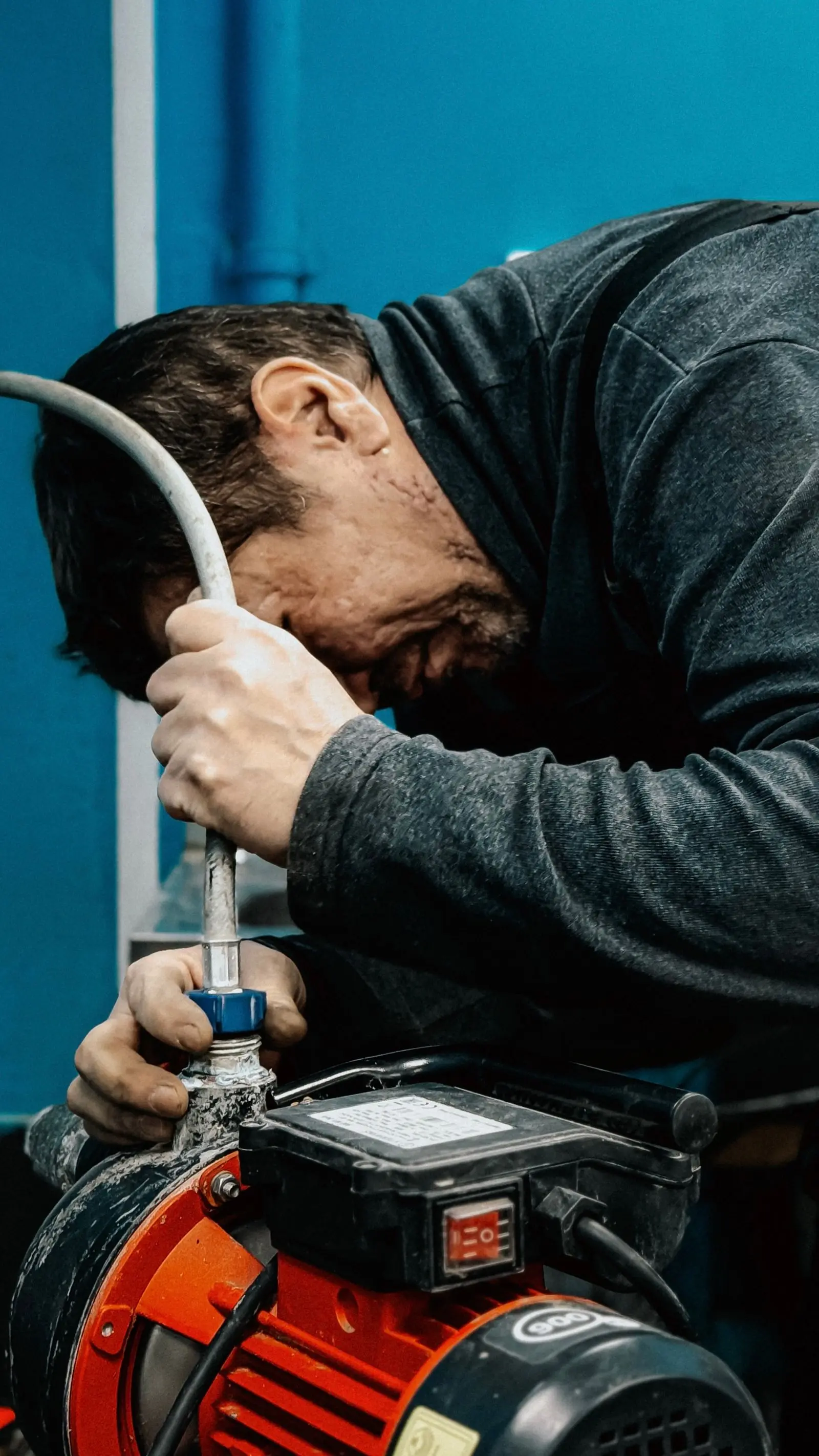
Sump Pump Repair and Installation
A sump pump removes groundwater from a basement or crawl space pit before it floods. Repairs usually involve a stuck float switch, failed motor or check valve; a battery backup keeps it running when storms cut the power.
Learn moreWater heaters
Repair and replacement for tank, tankless and heat pump water heaters.
Water Heater Repair
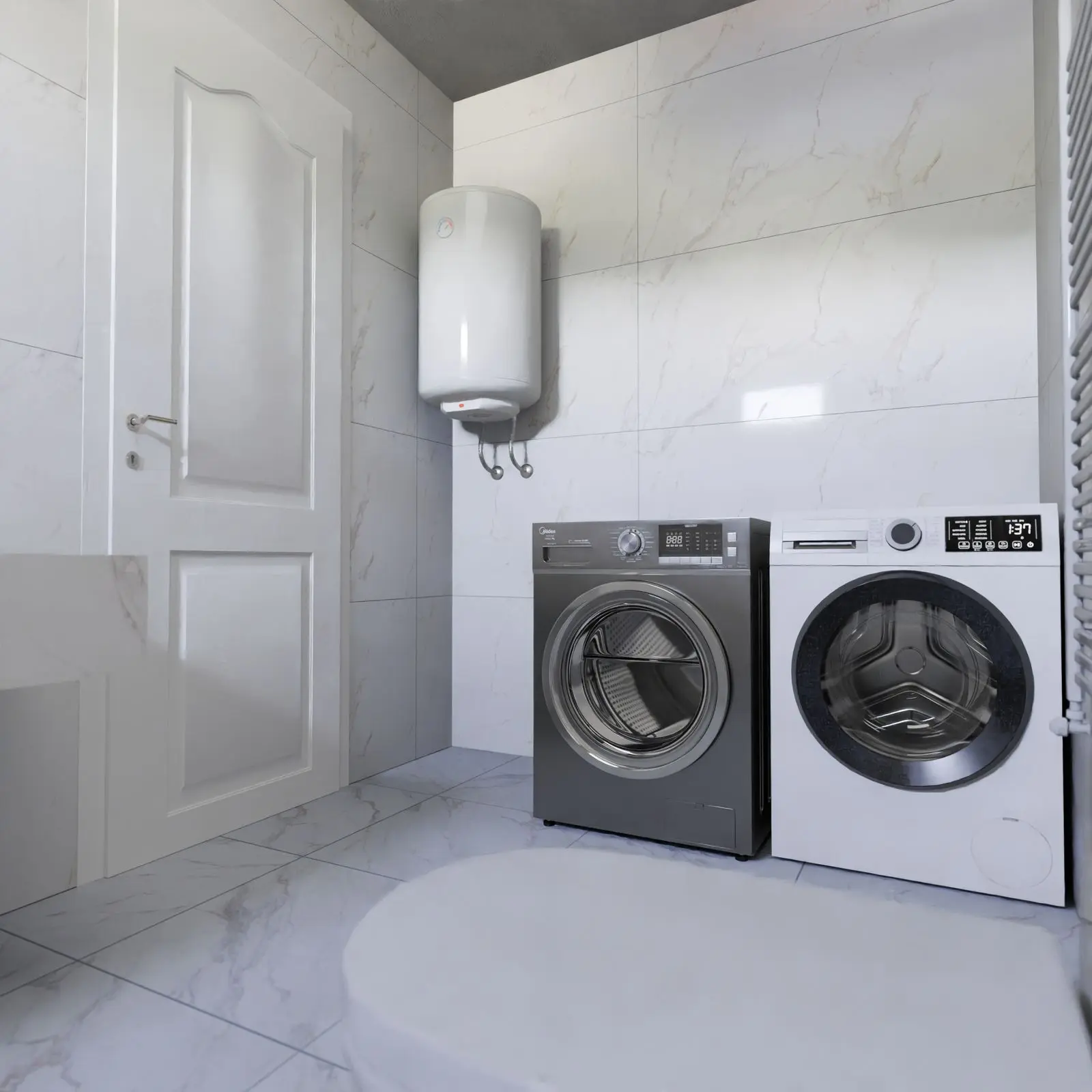
Most water heater problems come from a failed heating element or thermostat (electric), a bad thermocouple, igniter or gas valve (gas), or sediment buildup. A leak from the tank itself usually means replacement, not repair.
Learn more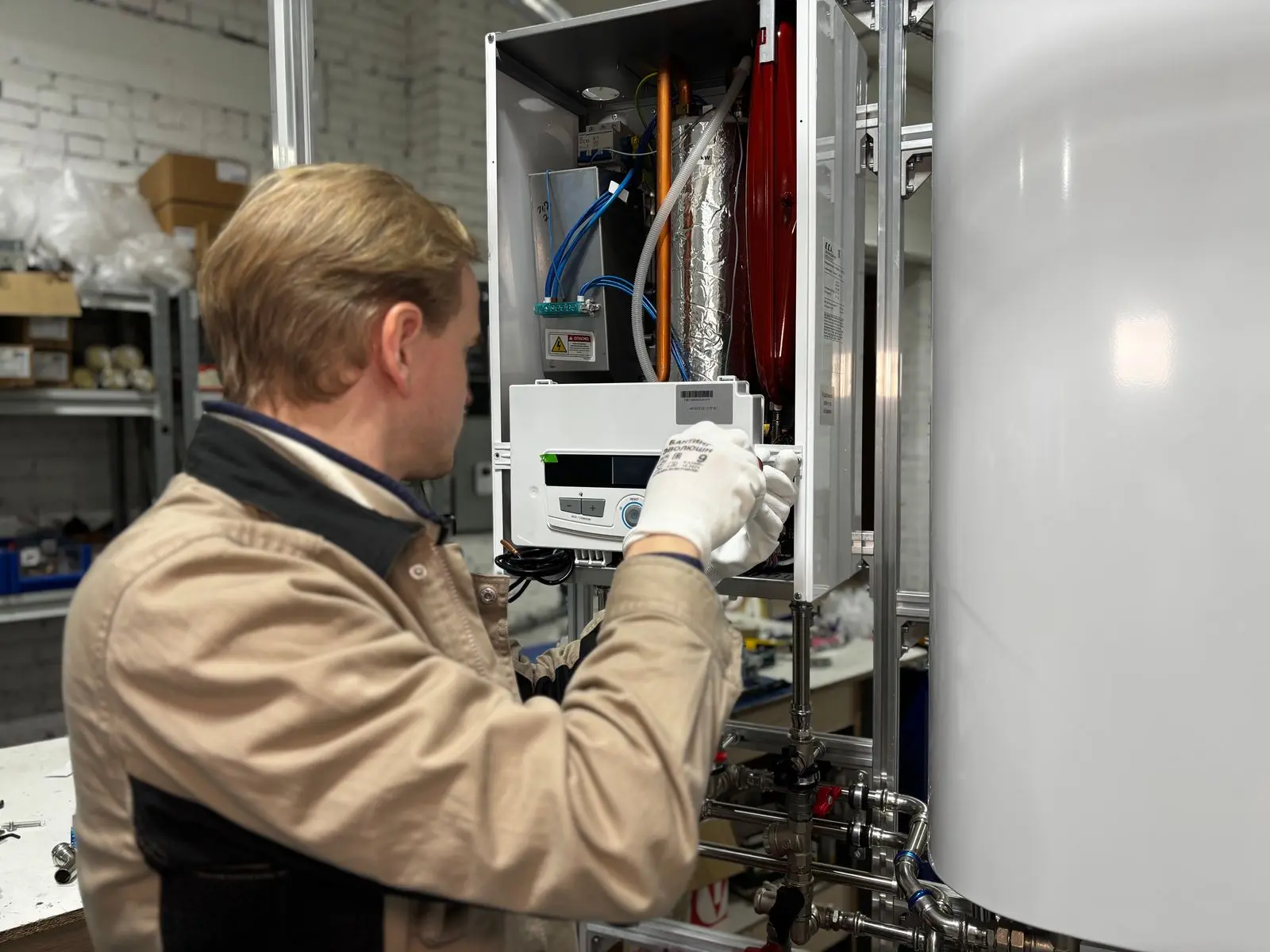
Water Heater Replacement
Replacing a water heater means choosing the right type and size, then installing it to current code, which often includes a new expansion tank, venting, seismic straps or a drain pan. Most jurisdictions require a permit, which the plumber pulls.
Learn morePipes and fixtures
Repiping, toilets, faucets and fixtures.
Whole-House Repiping
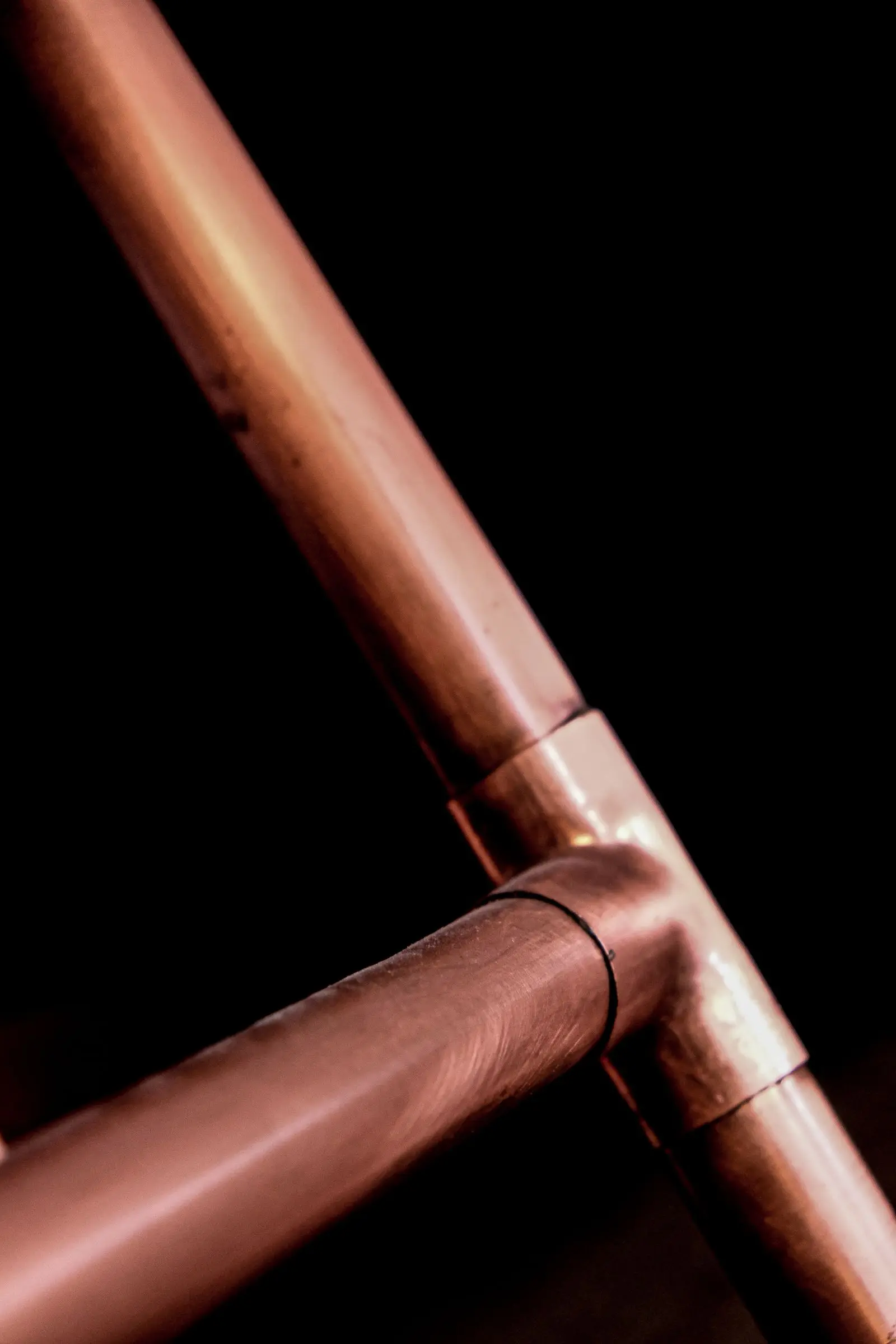
Repiping replaces a home's water supply lines, usually old galvanized steel, polybutylene or leak-prone copper, with new PEX or copper. It's the long-term fix when leaks keep coming back or water pressure and quality are failing.
Learn more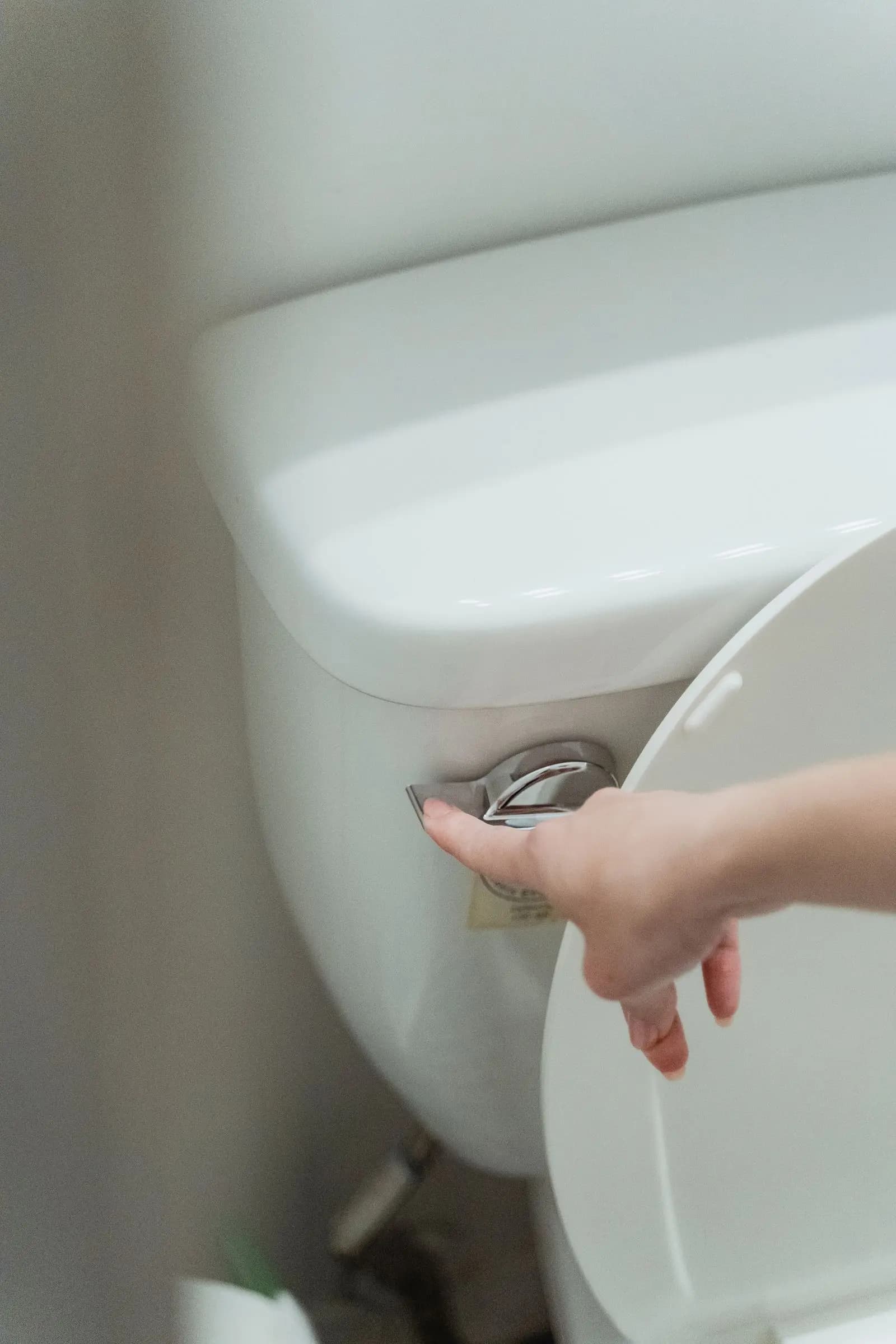
Toilet Repair and Replacement
Most toilet problems, like running, weak flushes and leaks, come from a worn flapper, fill valve or wax ring and are quick repairs. Cracked tanks or bowls and toilets that clog constantly are usually better replaced.
Learn more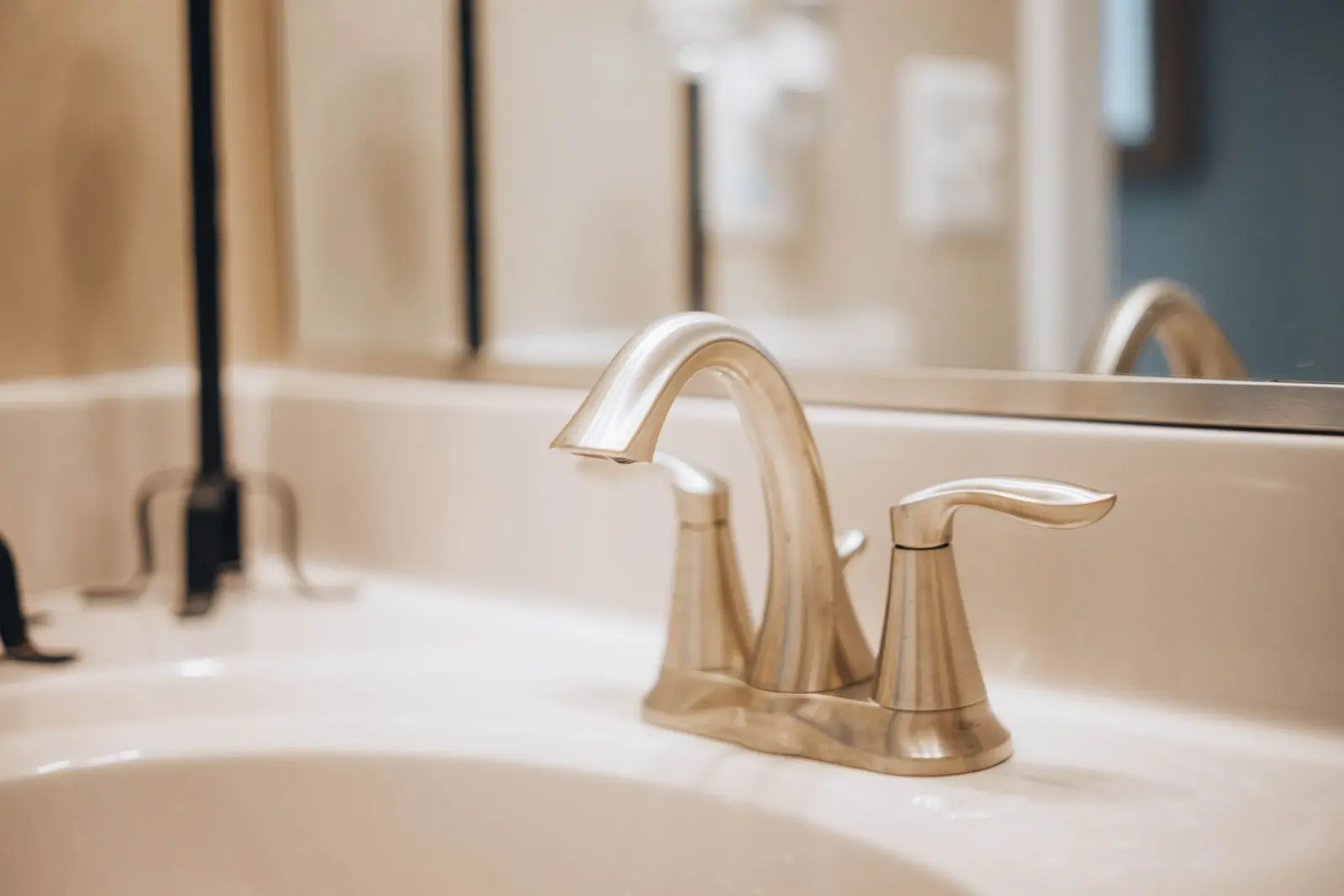
Faucet and Fixture Repair
Dripping faucets and shower valves are usually fixed by replacing a cartridge, washer or seat. New faucets, sinks, shower valves and garbage disposals are installed with new supply lines and shutoffs as needed.
Learn moreNot sure which service you need?
Call (888) 555-0142 and describe the problem. We will route you to the right kind of pro.