Faucet and Fixture Repair
Shower valve repair and replacement
The shower valve is the control inside the wall that mixes hot and cold water. A drip from the shower head, a stiff handle or lukewarm water is usually fixed by replacing the cartridge inside it. Sudden temperature swings, a corroded valve body or an obsolete valve with no parts available call for replacing the whole valve, which means opening the wall.
- Independent licensed local plumbers
- The plumber gives you a price before work starts
- Free referral, no obligation
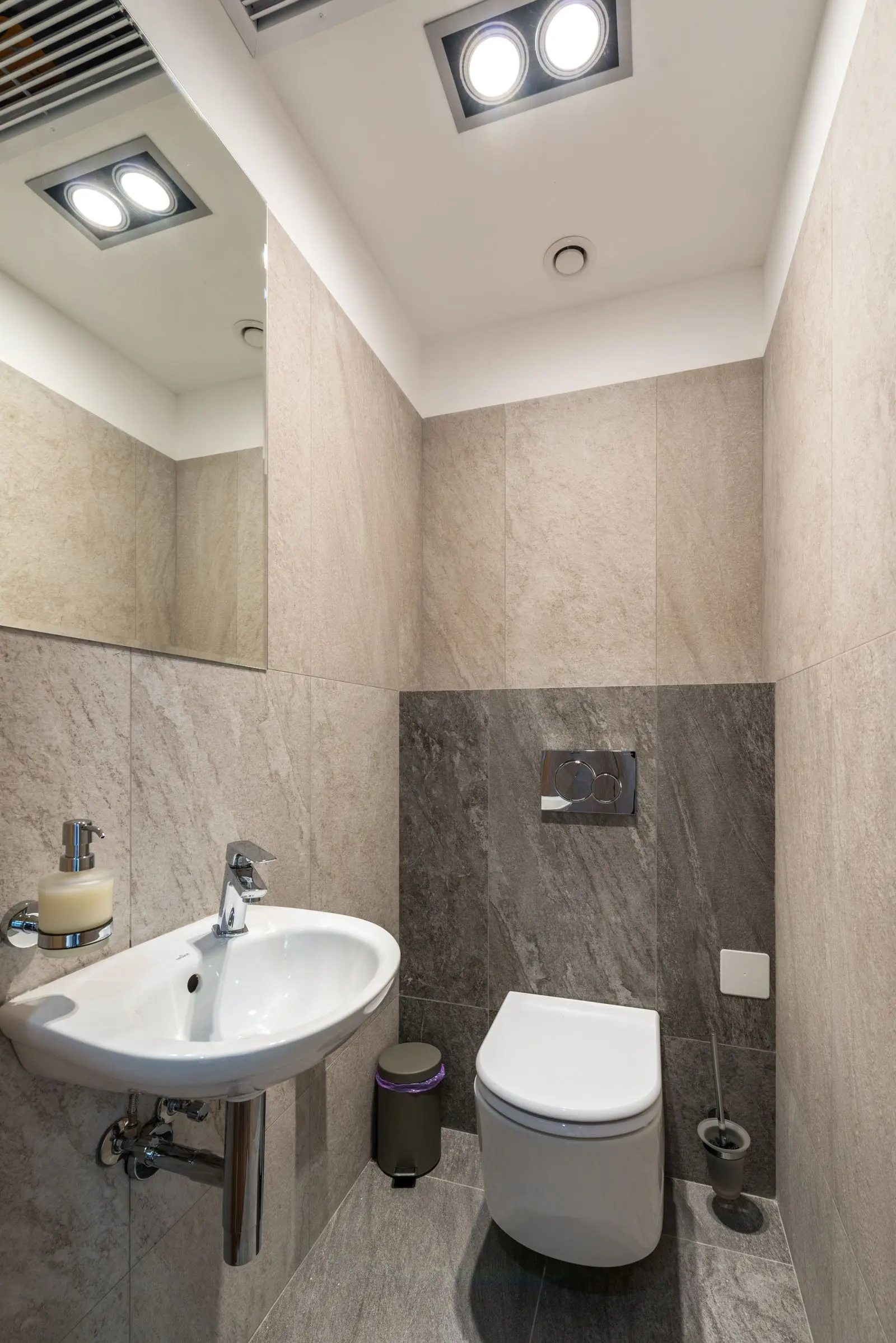
Most showers built in the last few decades use a single-handle valve with a replaceable cartridge. The cartridge wears, or scale builds on it, and the shower starts to drip, stick or lose hot water. Swapping it is a repair done from the front of the wall once the handle and trim are off, provided the right part can be identified and the old one can be pulled without damage.
Older two- and three-handle valves have separate stems and seats, and some have no way of limiting temperature changes. Current plumbing codes call for pressure-balancing or thermostatic valves in showers so the water does not turn scalding when a toilet is flushed, which is why replacing an old valve is often recommended during a remodel.
When you need shower valve repair and replacement
- The shower head or tub spout drips after the water is turned off
- The handle is stiff, loose or will not shut off completely
- The shower is lukewarm while other taps in the house run hot
- Temperature jumps when another fixture is used
- Water appears behind the wall or on the ceiling below the shower
- You are retiling and the valve is decades old
How it is done and the choices involved
- 1
Replace the cartridge or stems
The plumber identifies the brand, shuts off the water, pulls the old cartridge and installs a new one with fresh seals. Seized cartridges need a puller and patience.
- 2
Adjust the temperature limit stop
If the water is not hot enough after a cartridge change, the limit stop or balancing spool may only need adjusting or cleaning.
- 3
Replace the valve body
The old valve is cut out and a new pressure-balancing or thermostatic valve is installed. Access comes from a panel behind the shower, the adjoining room, or through the tile with a larger cover plate.
- 4
Update the trim
A conversion or remodel plate can cover the old two- or three-handle holes when changing to a single-handle valve without retiling.
What affects the cost of shower valve repair and replacement
Prices vary by market and job. The pro gives you a price before starting; these factors drive it.
- Cartridge replacement versus replacing the valve body
- Access behind the wall versus cutting tile
- Brand and whether parts are still made
- Pipe material the valve connects to
- Whether shutoff stops exist or the whole house must be turned off
- Wall or tile repair afterward
Shower Valve Repair and Replacement FAQ
Why is my shower dripping when it is turned off?
The cartridge or the washers and seats inside the valve no longer seal. Water left in the shower arm can drip for a minute after use, which is normal; a drip that continues is a worn valve part. It is usually fixed with a new cartridge.
Why does my shower get hot when someone flushes the toilet?
The toilet refill takes cold water and pressure on the cold side drops. An older valve without pressure balancing lets the mix shift to hot. A pressure-balancing or thermostatic valve corrects for it automatically.
Can a shower valve be replaced without removing tile?
Often yes, if there is access from behind, such as a closet or an adjoining wall that can be opened and patched. From the front, a larger remodel plate can sometimes cover the opening needed. Otherwise some tile has to come out.
Why is my shower not getting hot but the sink is?
With hot water reaching other fixtures, the shower valve is the likely cause: a failed cartridge, a stuck balancing spool or a temperature limit stop set too low. A plumber can usually sort this out from the front of the valve.
Part of faucet and fixture repair
Shower Valve Repair and Replacement is one job within faucet and fixture repair. The main page covers the warning signs, the full process and what you can safely do yourself.
Helpful guides
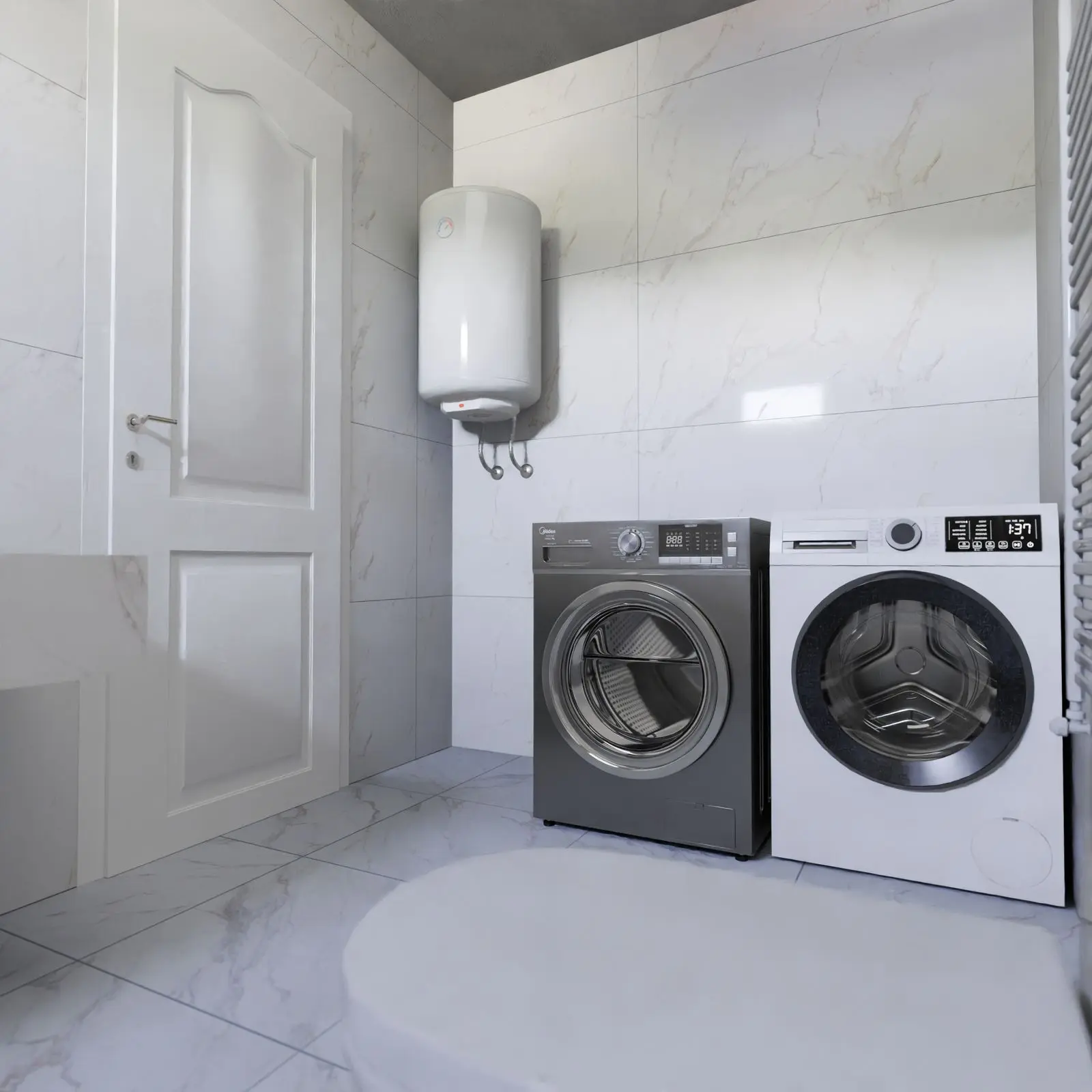
No Hot Water? Causes and What to Check First
On an electric water heater, no hot water usually means a tripped breaker, a tripped high-limit reset button or a burned-out heating element. On a gas heater it is usually a pilot that has gone out, a failed thermocouple or igniter, or the gas being off.
Read the guide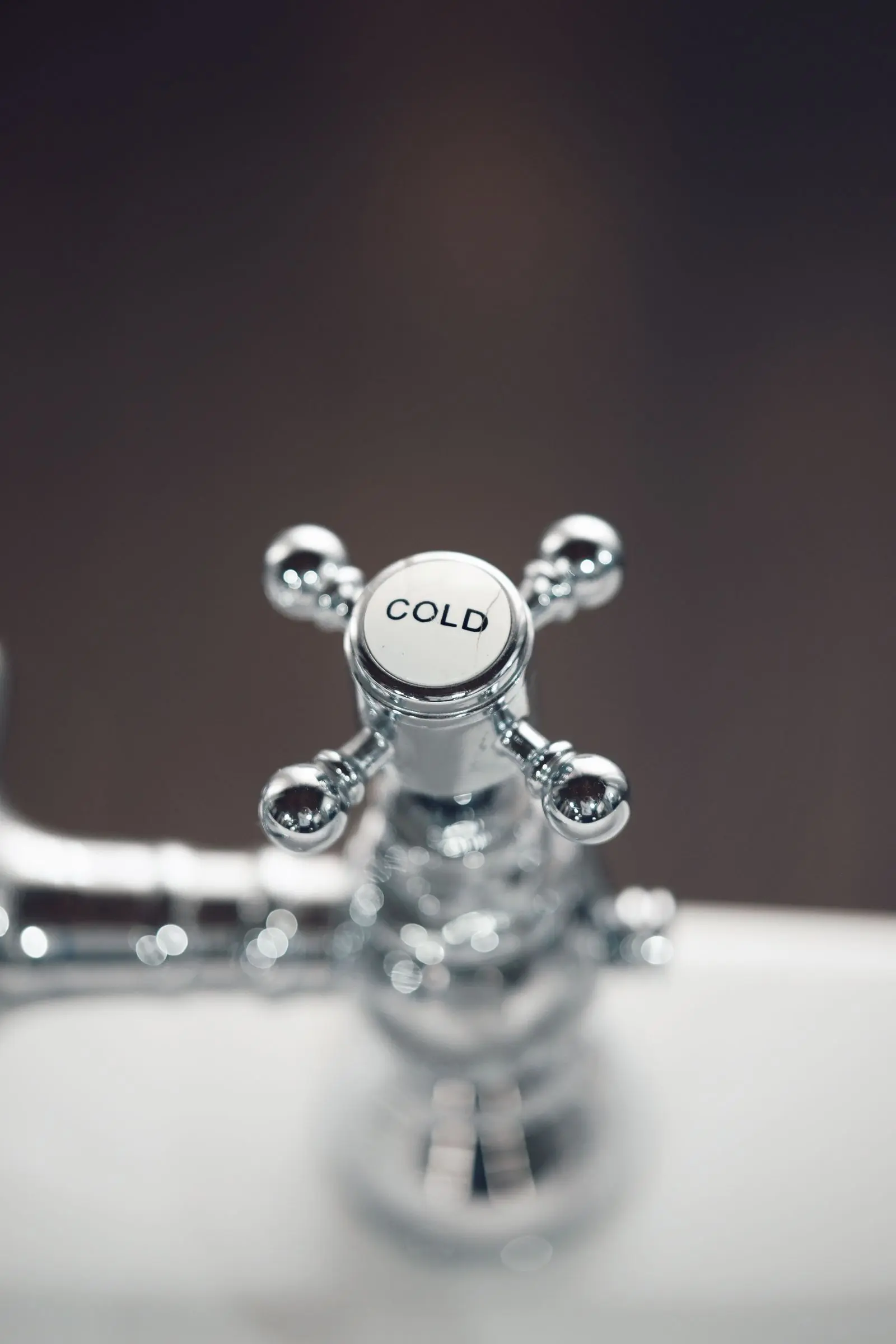
Low Water Pressure: Causes and Fixes
If only one fixture is weak, the cause is almost always a clogged aerator, showerhead or cartridge. If the whole house is weak, check that the main valve is fully open, then suspect a failing pressure-reducing valve, corroded galvanized pipes, a leak, or low supply pressure from the utility.
Read the guideNeed help with shower valve repair and replacement?
Call (833) 520-4758 to reach an available local pro.