
Drains and sewer
Sewer line inspection, repair and replacement
Sewer line repair starts with a camera inspection to find roots, cracks, sags or collapsed pipe. Depending on the damage, the fix is a spot repair, a trenchless liner or pipe bursting, or a traditional dig-and-replace.
- Independent licensed local plumbers
- The plumber gives you a price before work starts
- Free referral, no obligation
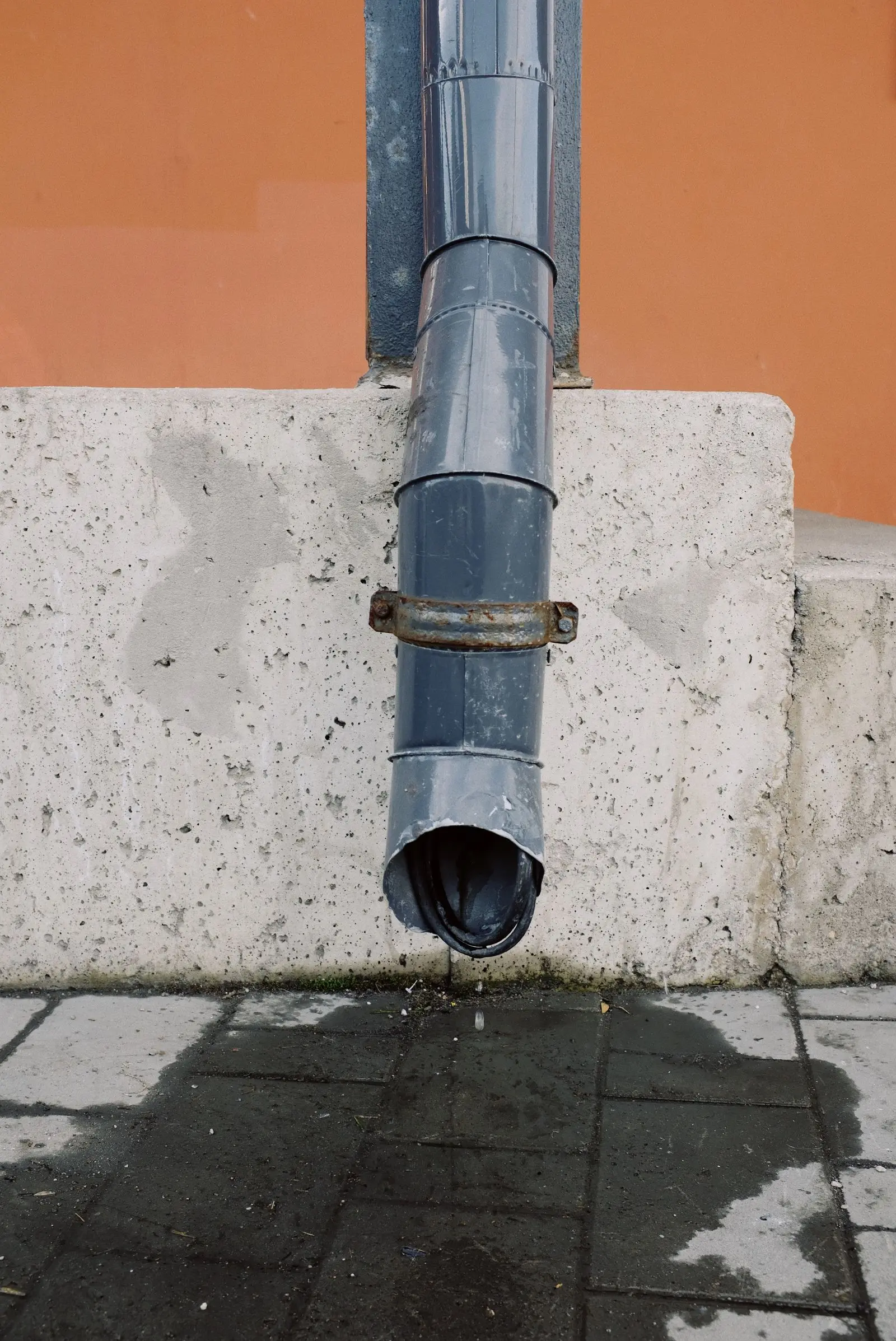
The sewer lateral is the pipe that carries waste from your home to the city main or septic tank, and in most places the homeowner owns it all the way to the main. Older laterals are often clay, cast iron or Orangeburg (a tar-paper pipe used until the 1970s), and all of them eventually crack, separate or collapse. Tree roots find the joints first.
A camera inspection is the only way to know what you're dealing with. It shows the problem, its depth and its distance from the cleanout, and the recording is useful for permits and insurance. Trenchless methods can replace or line a pipe with little digging, but they need the right pipe condition and access. Traditional excavation still makes sense for sags, collapses and shallow lines.
Sewer Line Repair at a glance
- Service
- Sewer Line Repair
- Category
- Drains and sewer
- Availability
- Scheduled and same-day visits, depending on local availability
- Service area
- Requests accepted from all 50 states and Washington, DC; availability depends on the pros near your ZIP code
- Also called
- sewer lateral repair, main line repair, trenchless sewer, sewer camera inspection
- Owned by
- Usually the homeowner, from house to city main
- Cost
- Quoted on site by the pro before work starts; see cost factors below
Specific sewer line repair jobs
Narrower jobs within this service, each with its own guide.
- Sewer Camera InspectionA sewer camera inspection sends a waterproof video camera through the line from a cleanout to show its condition: roots, cracks, sags, offset joints, grease and the pipe material.
- Trenchless Sewer RepairTrenchless sewer repair replaces or relines a buried sewer through one or two small access pits instead of a trench along the whole line.
- Backwater Valve InstallationA backwater valve is a one-way valve on the building sewer that lets wastewater flow out but closes if the public sewer backs up toward the house.
Signs you need sewer line repair
- Multiple drains backing up, especially the lowest fixtures
- Sewage smell in the yard or basement
- Gurgling toilets
- Soggy or unusually green patches over the sewer line
- Recurring root clogs every year or two
What the pro does, step by step
- 1
Clear and camera
The line is cleared if needed, then a camera run records the pipe condition and locates problems.
- 2
Locate and mark
A locator marks the depth and position of the damage above ground.
- 3
Choose the method
Spot repair, lining, bursting or open-trench replacement is quoted based on what the camera shows.
- 4
Permit, repair and inspect
The plumber pulls permits, completes the work and has it inspected where required.
What affects the cost of sewer line repair
Prices vary by market and job. The pro gives you a price before starting; these factors drive it.
- Length and depth of the line
- Pipe material and damage type
- Trenchless versus excavation
- Driveways, trees or landscaping in the way
- City permits and connection fees
What you can safely do, and when to stop
Safe to do yourself
- Stop using water when drains back up
- Locate your cleanout (often a capped pipe near the foundation)
- Avoid flushing wipes, grease and paper towels
- Ask your city whether you own the lateral to the main
Stop and call a pro
- Sewage in the home
- Any digging near a sewer or utility line (call 811 first)
- Recurring backups
- Sinkholes or depressions over the line
Sewer Line Repair FAQ
Who is responsible for the sewer line?
In most US cities the homeowner owns and maintains the lateral from the house to the public main, sometimes including the connection itself. Your city's public works department can confirm.
What is trenchless sewer repair?
Trenchless methods line the existing pipe with a resin-coated liner or pull a new pipe through while bursting the old one, using small access pits instead of a long trench.
How do tree roots get into sewer lines?
Roots follow moisture to small leaks at pipe joints and grow inside. Clay and older cast-iron lines with many joints are most prone.
How long does a sewer line last?
Clay and cast iron can last 50 years or more but often fail sooner with roots or soil movement. Orangeburg pipe is usually at or past the end of its life.
What are the signs of a broken sewer line?
Repeated main-line backups, several slow drains at once, sewage odor in the yard or basement, an unusually green or sunken strip of lawn and gurgling toilets are the usual signs. A camera inspection is what confirms a break rather than a clog.
How long does a sewer line repair take?
A spot repair or a trenchless lining of a typical residential lateral is often done in a day. Excavating and replacing a long or deep line, or one under a driveway or street, can take several days including inspection and backfill.
Do I need a camera inspection before a sewer repair?
Yes. The camera shows what the pipe is made of, where the damage is and how long it runs, which decides whether cleaning, a spot repair, lining or replacement is the right job. Ask for a copy of the recording.
Does a sewer line repair need a permit?
In most places, yes, and work in the street or sidewalk usually needs a separate permit from the city or utility. The licensed plumber normally pulls the permits and arranges the inspection before the trench is filled.
Can I keep using the plumbing while I wait for a sewer repair?
Only lightly, and not at all if sewage is backing up. Every flush and drain load goes into the damaged line. Spread out water use, skip the washing machine and dishwasher, and stop if water appears at a floor drain.
Sources
- Call 811 before you dig, Common Ground Alliance
Sewer Line Repair by location
Local water, housing and permit rules change what this job involves. Find local conditions for your area:
Sewer Line Repair city guides
Local plumbing conditions
Somewhere else? Browse plumbing conditions in all 50 states.
Related services
Drain Cleaning
Professional drain cleaning clears clogs with a drain cable (snake) or water jetting, then checks whether the clog is local to one fixture or in the main line.
Learn more
Hydro Jetting
Hydro jetting cleans a drain or sewer line with high-pressure water from a hose and nozzle fed through a cleanout.
Learn more
Sump Pump Repair and Installation
A sump pump removes groundwater from a basement or crawl space pit before it floods.
Learn moreHelpful guides
Main Sewer Line Clog: Signs and What to Do
If more than one drain is slow or backing up, especially the lowest toilet, tub or floor drain, the main sewer line is probably clogged. Stop running water and call a plumber to clear the line from a cleanout.
Read the guide
When to Call an Emergency Plumber (and When It Can Wait)
Call an emergency plumber when water is actively damaging the home and you can't stop it, sewage is backing up, or you have no water at all. If you can stop the water at a shutoff valve and the home is still usable, it can usually wait for a regular appointment, which costs less.
Read the guide
Sewage Backing Up in the Basement: What to Do
Stop running water anywhere in the house, keep children and pets away, and do not touch the water without gloves and boots. Then find out whether the blockage is in your sewer line or the public sewer: call a plumber for the first and the sewer utility for the second. Sewage-soaked materials need professional cleanup.
Read the guideGet sewer line repair help now
Call (833) 520-4758 to reach an available local pro.