Emergencies and leaks
Burst and frozen pipe repair
If a pipe has frozen, shut off the main water valve before it thaws, open the faucets it feeds and warm the area gently. If it has already burst, keep the water off and call a plumber to replace the split section.
- Independent licensed local plumbers
- The plumber gives you a price before work starts
- Free referral, no obligation
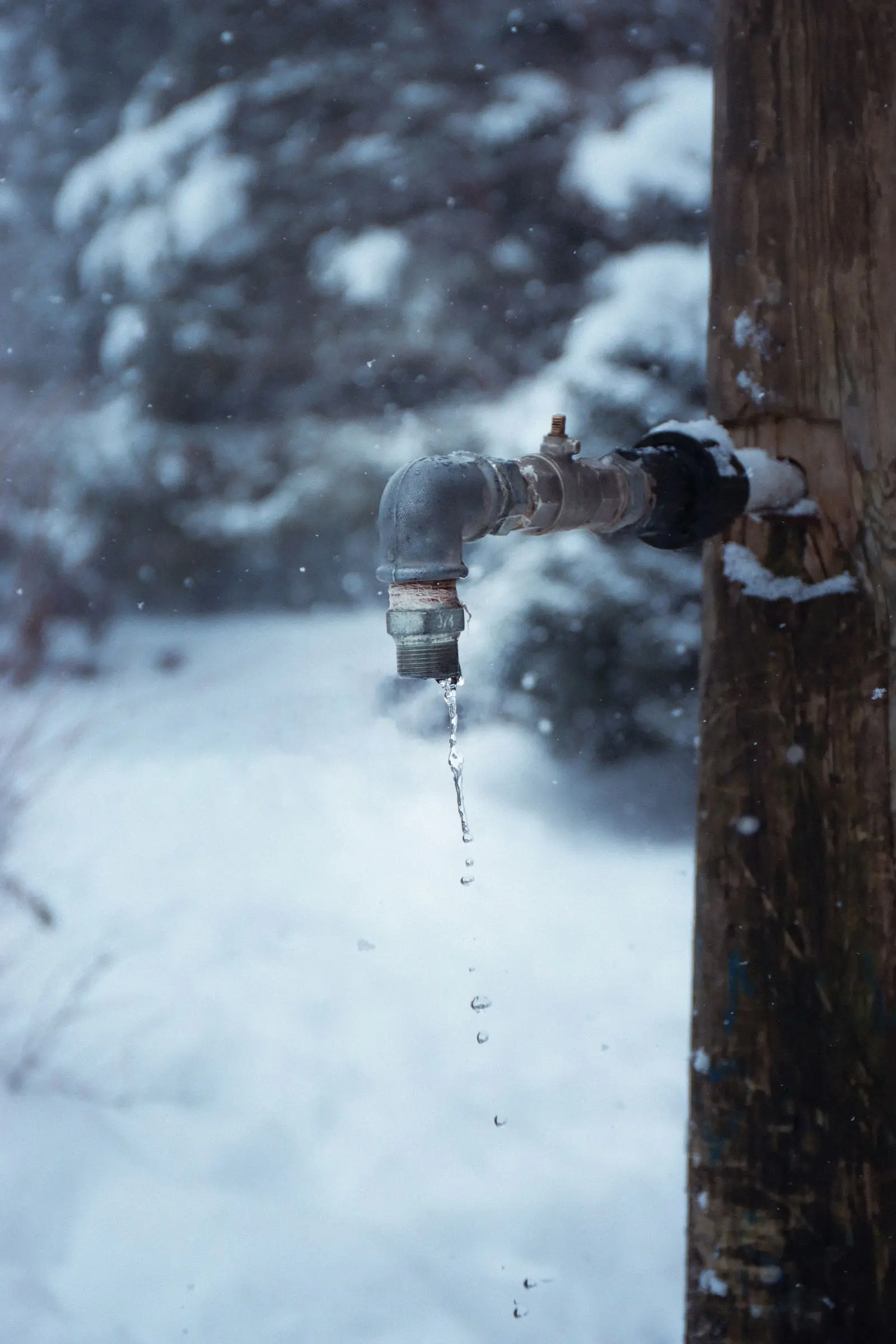
Water expands as it freezes, which builds pressure between the ice and a closed faucet until the pipe splits. The leak usually doesn't show until the ice melts, which is why burst pipes often appear the morning after a cold night, or days later in a vacation home. Pipes in exterior walls, attics, crawl spaces, garages and under sinks on outside walls are the usual victims.
A plumber replaces the damaged section, checks the rest of the run for more splits, and looks at why it froze: missing insulation, an air leak, a hose left connected to an outdoor faucet. In homes that freeze repeatedly, rerouting a line inside the heated space or installing frost-free sillcocks prevents the next break. If walls or ceilings got wet, plan on drying them to avoid mold.
Burst and Frozen Pipe Repair at a glance
- Service
- Burst and Frozen Pipe Repair
- Category
- Emergencies and leaks
- Availability
- Same-day service is often available; call to check timing
- Service area
- Requests accepted from all 50 states and Washington, DC; availability depends on the pros near your ZIP code
- Also called
- frozen pipes, burst pipe, broken water pipe
- Most at risk
- Exterior walls, crawl spaces, attics, garages
- Cost
- Quoted on site by the pro before work starts; see cost factors below
Signs you need burst and frozen pipe repair
- No water or a trickle from one faucet on a cold morning
- Frost on an exposed pipe
- Bulging or split pipe, or a hissing sound in a wall
- Water stains or dripping from a ceiling after a freeze
- An outdoor faucet that sprays inside the wall when opened
What the pro does, step by step
- 1
Shut off and assess
The plumber confirms the main is off, thaws frozen sections safely, and finds every split.
- 2
Replace damaged pipe
Split copper, PEX or CPVC is cut out and replaced with new pipe and fittings.
- 3
Pressure test
Water is restored and the system is checked for other leaks along the frozen run.
- 4
Freeze-proof
Insulation, heat cable, frost-free faucets or a reroute are recommended where the pipe keeps freezing.
What affects the cost of burst and frozen pipe repair
Prices vary by market and job. The pro gives you a price before starting; these factors drive it.
- How many splits and where they are
- Opening and closing drywall or ceilings for access
- Pipe material
- After-hours or peak cold-snap demand
- Freeze-prevention upgrades
What you can safely do, and when to stop
Safe to do yourself
- Shut off the main water valve
- Open the faucets fed by the frozen pipe
- Warm the pipe with a hair dryer or space heater kept at a safe distance, never left unattended and away from water; never use a torch or open flame
- Open cabinet doors on exterior walls during cold nights
Stop and call a pro
- Never use an open flame or torch to thaw pipes
- Water near electrical panels or outlets
- You can't find the frozen section
- The pipe is already split
Burst and Frozen Pipe Repair FAQ
At what temperature do pipes freeze?
Pipes in unheated or exposed spaces can freeze when the outdoor temperature drops to about 20°F or below, especially overnight and in wind. Pipes in warmer southern homes with little insulation can freeze in milder cold snaps.
Should I let my faucets drip in cold weather?
Yes. A slow drip from faucets on exterior walls relieves pressure and keeps water moving, which reduces the chance of a burst.
Will a frozen pipe always burst?
No, but it's likely if it stays frozen long enough. Shut off the main water before thawing so a hidden split doesn't flood the house when the ice melts.
Does homeowners insurance cover burst pipes?
Sudden burst pipes are commonly covered, but policies may exclude damage if the home was left unheated. Check your policy and document everything with photos.
What do I do first when a pipe bursts?
Close the main water shutoff, then open the lowest faucet in the house to drain the lines. Turn off electricity at the breaker to any wet area you can reach safely, move belongings, and photograph the damage before cleanup.
How can I tell a pipe is frozen before it bursts?
A faucet that gives only a trickle or nothing in freezing weather, frost on an exposed pipe, or a section of pipe that is much colder to the touch are the usual signs. The fixtures on outside walls and in unheated spaces go first.
Is it safe to thaw a frozen pipe myself?
For a pipe you can see, yes: open the faucet, then warm the pipe with a hair dryer or heating pad, working from the faucet back toward the frozen section. Never use a torch or open flame, and call a plumber if the frozen section is inside a wall or you cannot find it.
How long does a burst pipe repair take?
An exposed split in a basement or crawl space is often cut out and replaced in an hour or two. A pipe inside a wall or ceiling takes longer because the plumber has to open the surface, and patching and drying the wall is separate work.
Can a pipe that froze once be kept from freezing again?
Usually. The plumber can reroute the line out of an outside wall, add insulation or heat cable, replace a standard hose bibb with a frost-free one, or add a shutoff and drain so the exposed section can be emptied for winter.
Sources
- Frozen pipes: prevention and thawing, American Red Cross
Burst and Frozen Pipe Repair by location
Local water, housing and permit rules change what this job involves. Find local conditions for your area:
Burst and Frozen Pipe Repair city guides
Local plumbing conditions
Somewhere else? Browse plumbing conditions in all 50 states.
Related services
Emergency Plumbing
An emergency plumber stops active leaks, sewage backups and loss of water or hot water before they damage your home.
Learn more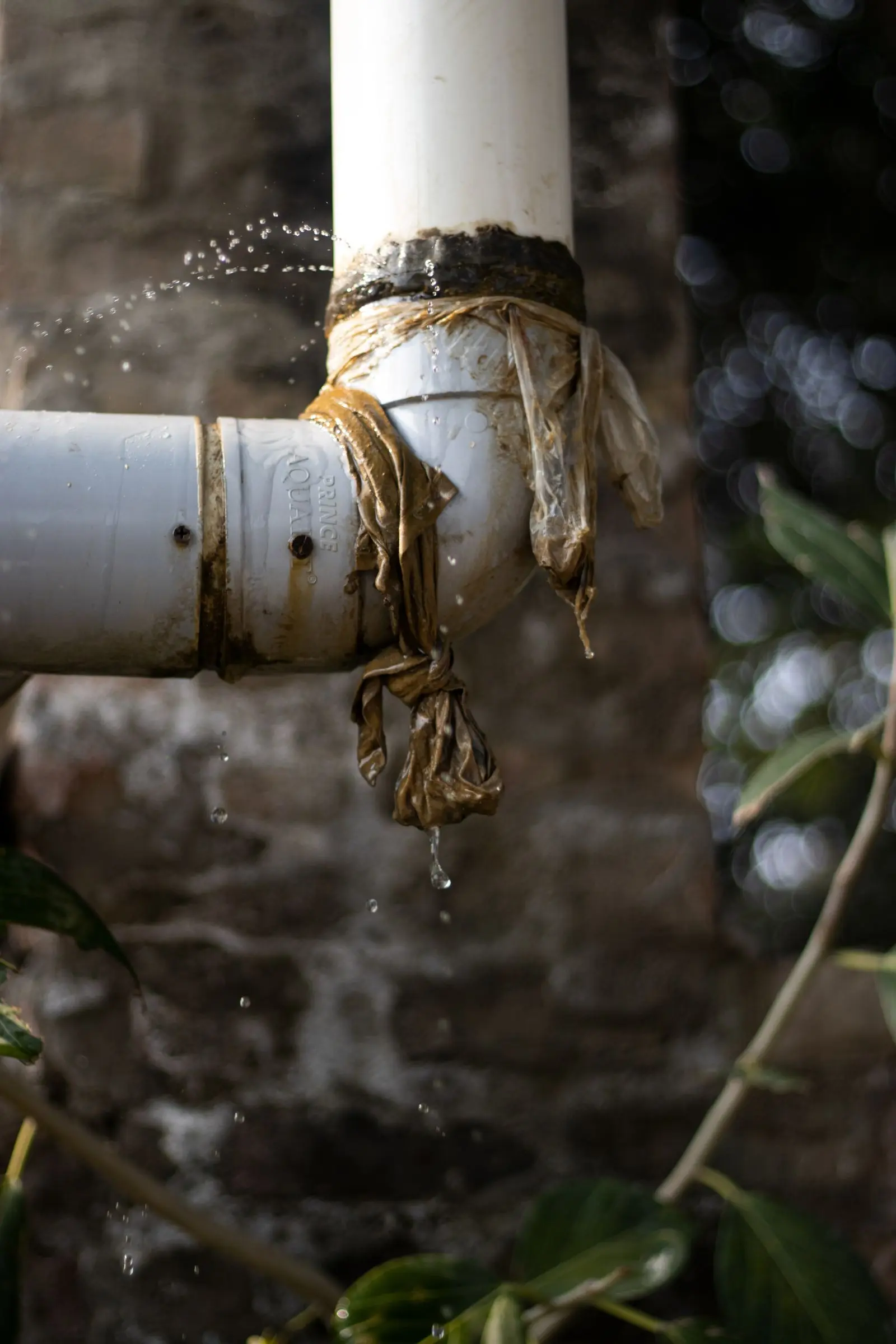
Leak Detection
Leak detection locates hidden leaks in walls, floors, slabs and yard lines using meter tests, pressure testing, acoustic listening and thermal imaging, so the plumber opens only the spot that needs repair..
Learn moreWhole-House Repiping
Repiping replaces a home's water supply lines, usually old galvanized steel, polybutylene or leak-prone copper, with new PEX or copper.
Learn moreHelpful guides
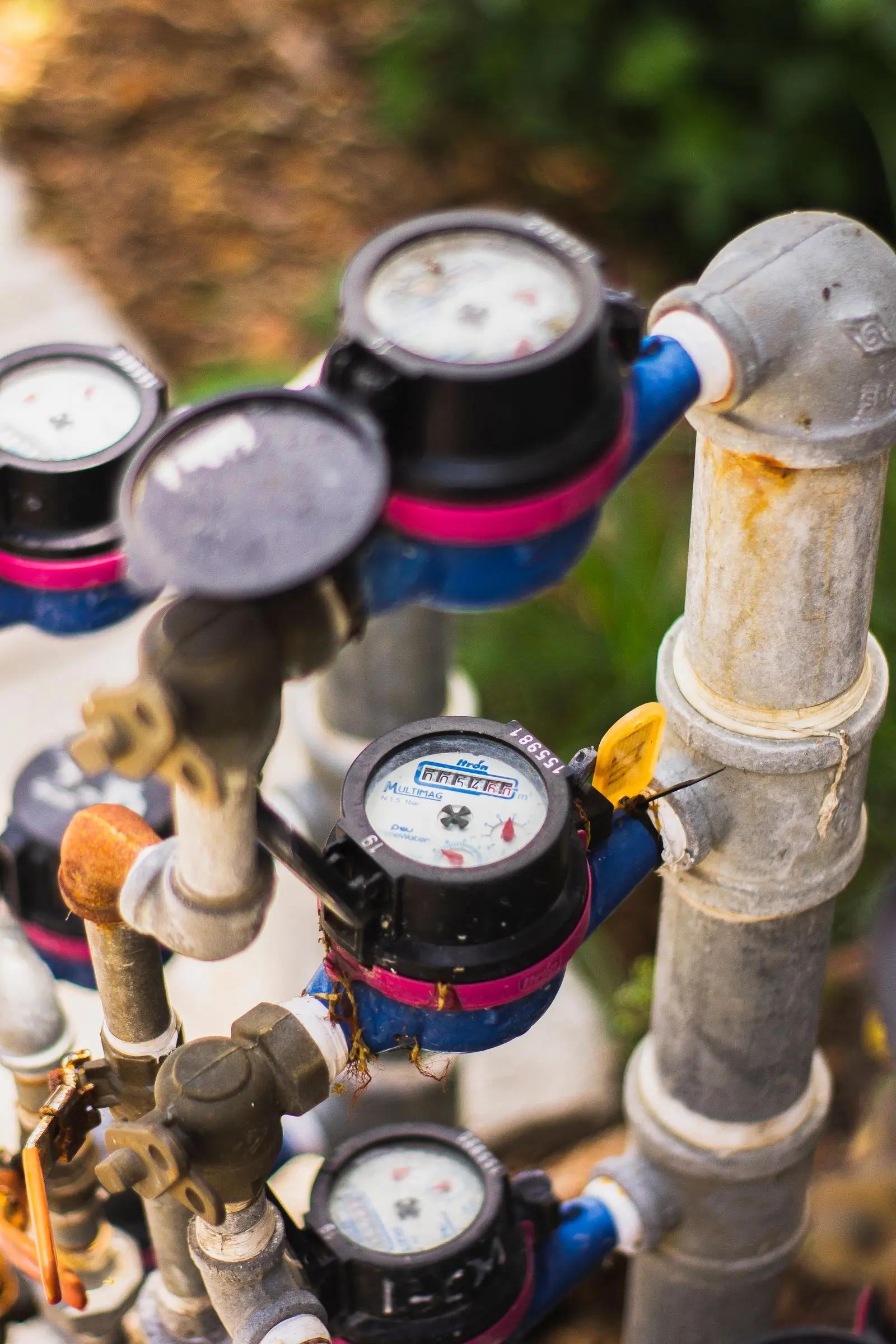
How to Shut Off the Water to Your House
Turn the main shutoff valve clockwise until it stops, or turn a lever handle a quarter turn so it sits across the pipe. It's usually where the water line enters the house, or at the meter near the street.
Read the guide
How to Prevent Frozen Pipes in Winter
Insulate pipes in unheated spaces, seal drafts, disconnect garden hoses, keep the heat at 55°F or higher, open cabinet doors on exterior walls and let faucets drip when temperatures drop into the teens.
Read the guideWhat to Do When a Pipe Bursts
Shut off the main water valve, turn off electricity to any wet area if you can reach the panel safely, open faucets to drain the lines, and then call a plumber. Take photos before you clean up, and start drying within a day to prevent mold.
Read the guideGet burst and frozen pipe repair help now
Call (833) 520-4758 to reach an available local pro.