
Emergencies and leaks
Hidden water leak detection
Leak detection locates hidden leaks in walls, floors, slabs and yard lines using meter tests, pressure testing, acoustic listening and thermal imaging, so the plumber opens only the spot that needs repair.
- Independent licensed local plumbers
- The plumber gives you a price before work starts
- Free referral, no obligation
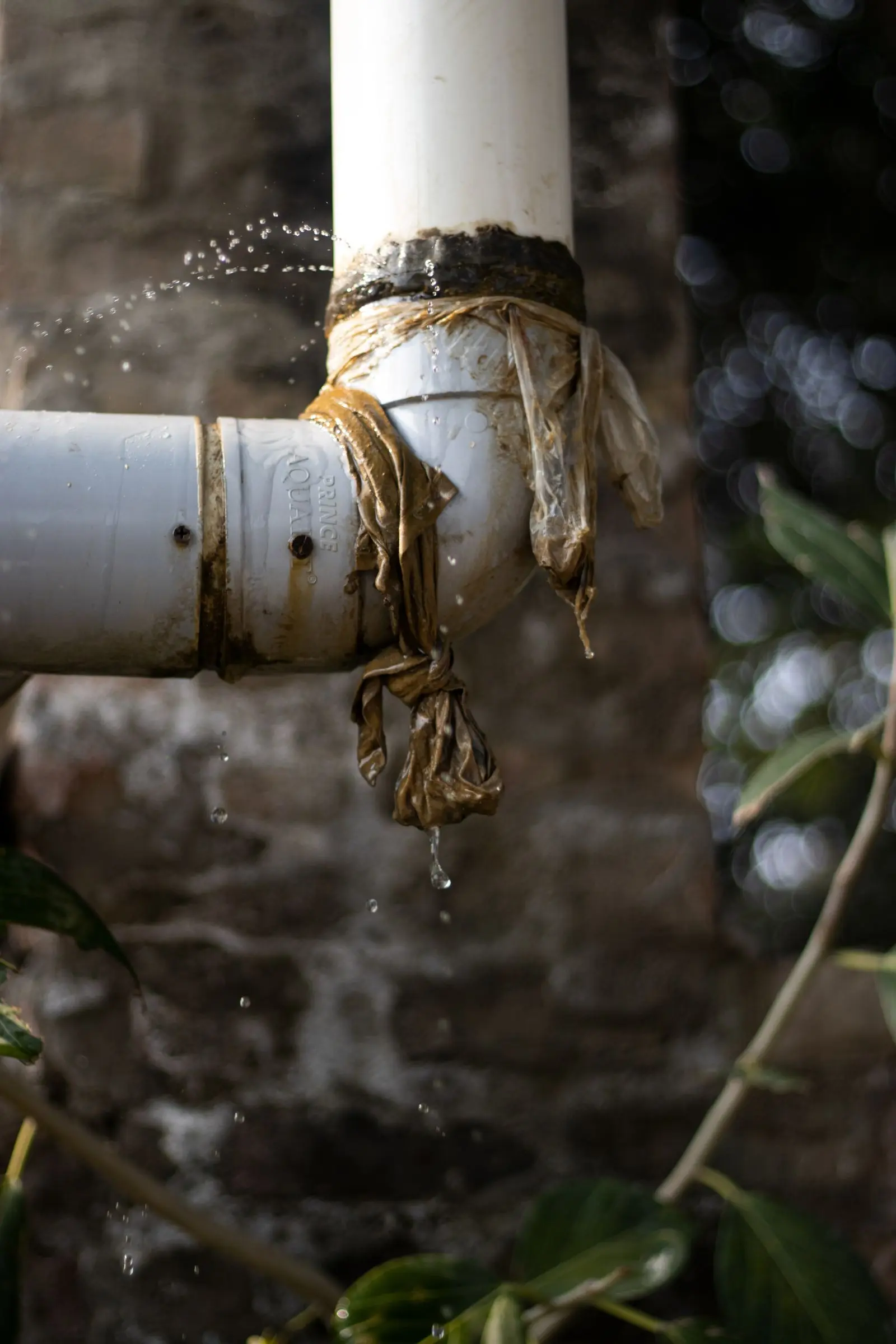
Your water meter is the first test. Turn off every fixture and watch the meter's leak indicator (usually a small triangle or dial). If it moves, water is going somewhere. Shutting off the valve at the house then tells you whether the leak is in the yard line or inside the home.
From there, a plumber isolates sections and uses tools matched to the situation: acoustic sensors that hear water escaping under pressure, thermal cameras that show the cool spread of a leak in a wall or the warm spot of a hot-water leak in a slab, and moisture meters. Accurate location means a small access hole instead of tearing up a room. On slab homes, a found leak may lead to a slab leak repair.
Leak Detection at a glance
- Service
- Leak Detection
- Category
- Emergencies and leaks
- Availability
- Scheduled and same-day visits, depending on local availability
- Service area
- Requests accepted from all 50 states and Washington, DC; availability depends on the pros near your ZIP code
- Also called
- water leak detection, hidden leak, leak locating
- Tools
- Meter tests, pressure tests, acoustic sensors, thermal imaging
- Cost
- Quoted on site by the pro before work starts; see cost factors below
Signs you need leak detection
- A water bill that jumped without more use
- The meter's leak indicator moves with all fixtures off
- Damp drywall, peeling paint or warped flooring
- The sound of running water when nothing is on
- Warm spots on a floor or a musty smell
What the pro does, step by step
- 1
Meter and pressure tests
The plumber confirms a leak exists and whether it's in the supply, the yard line or a fixture.
- 2
Isolate
Hot and cold sides and individual branches are separated to narrow the location.
- 3
Pinpoint
Acoustic, thermal and moisture tools locate the leak to within inches in most cases.
- 4
Report and repair options
You get the location, cause and repair choices, from a spot repair to a reroute.
What affects the cost of leak detection
Prices vary by market and job. The pro gives you a price before starting; these factors drive it.
- Number of lines and how accessible they are
- Slab, wall or yard location
- Equipment needed
- Whether repair is done on the same visit
- Documentation for insurance
What you can safely do, and when to stop
Safe to do yourself
- Do the meter test with all fixtures off
- Check toilets with a few drops of food coloring in the tank
- Look under sinks and behind appliances with a flashlight
- Check the water heater's T&P valve discharge pipe
Stop and call a pro
- You find a wet wall or ceiling
- The meter shows a leak but you can't find it
- Warm spots on a slab floor
- Soggy spots in the yard over the water line
Leak Detection FAQ
How do I know if I have a hidden water leak?
Turn off all water use and watch the meter's leak indicator for 15 minutes. If it moves, there's a leak. Unexplained bill increases, damp spots and running-water sounds are other signs.
Can a plumber find a leak without opening walls?
Usually the location is found without opening anything. Repair still needs access, but accurate detection keeps the opening small.
Why is my water bill so high?
Running toilets are the most common cause, followed by dripping faucets, irrigation leaks and hidden supply line leaks. A meter test helps separate them.
Is leak detection covered by insurance?
Some policies cover the cost to find a leak (tear-out) when the resulting damage is covered. Ask your insurer before work starts and keep the plumber's report.
How long does leak detection take?
A straightforward search with a pressure test and listening equipment often takes one to two hours. Leaks under a slab, in a long buried service line or in a system with more than one leak take longer because each section has to be isolated.
How do I check for a leak with my water meter?
Turn off every fixture and appliance that uses water, then look at the meter. If the small leak indicator is turning, or the reading changes over an hour with nothing running, water is leaving the system somewhere.
What equipment do plumbers use to find a hidden leak?
The main tools are acoustic listening devices that pick up the sound of water escaping under pressure, thermal cameras that show temperature differences behind surfaces, moisture meters, pressure gauges and tracer gas for lines that are too quiet to hear.
What should I do while I wait for leak detection?
If water is appearing, close the main shutoff between uses, or shut the valve to the fixture or water heater you suspect. Note where and when you see moisture and keep recent water bills; both help the plumber narrow the search.
Is finding the leak the same job as fixing it?
Not always. Detection locates the leak and is often quoted on its own; the repair depends on what is found and where. Ask whether the detection fee is credited toward the repair if the same plumber does both.
Sources
- Fix a Leak Week: household leak facts, US EPA WaterSense
Leak Detection by location
Local water, housing and permit rules change what this job involves. Find local conditions for your area:
Leak Detection city guides
Local plumbing conditions
Somewhere else? Browse plumbing conditions in all 50 states.
Related services

Slab Leak Repair
A slab leak is a leak in a water line under a concrete foundation.
Learn more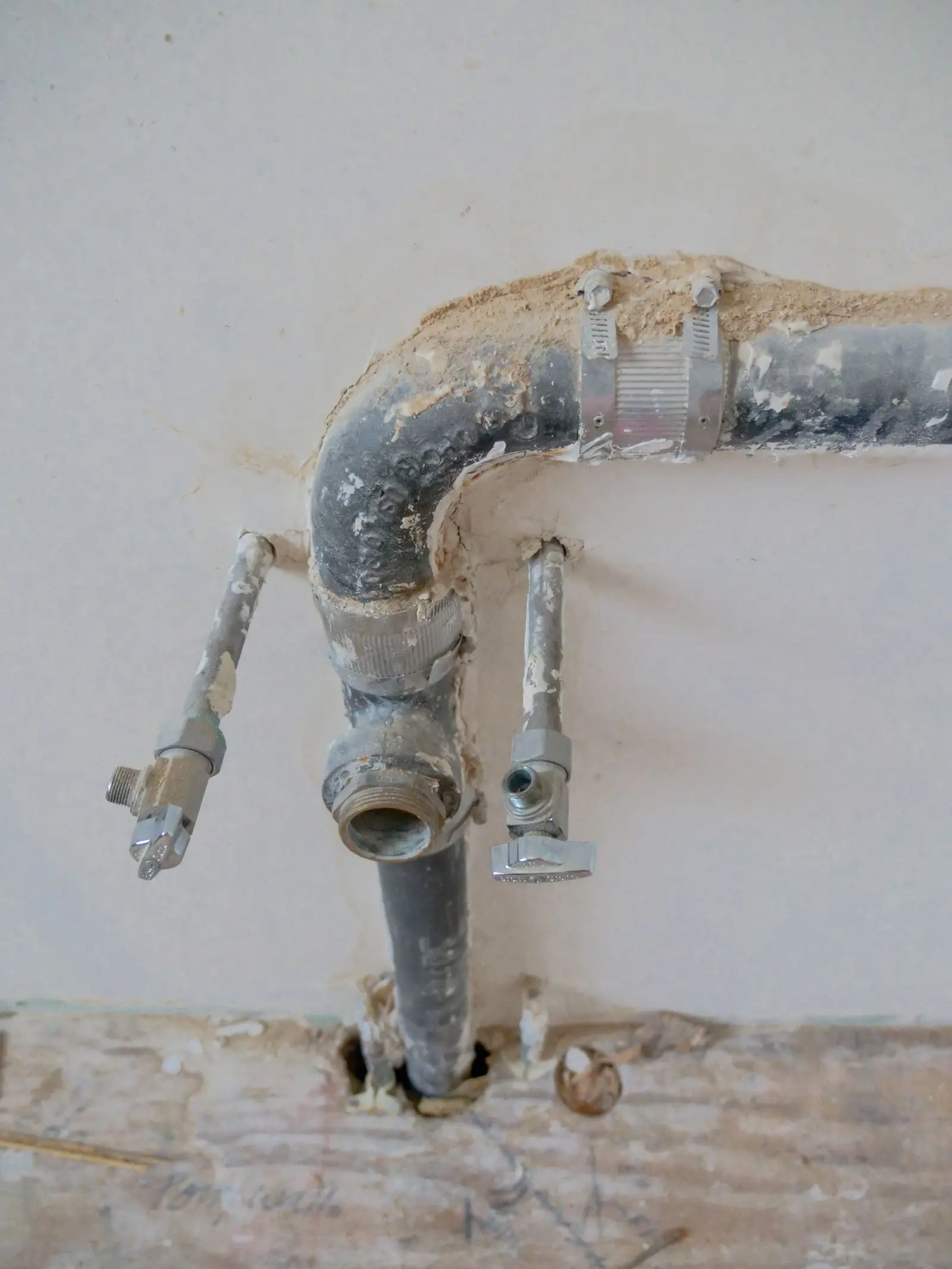
Water Line Repair and Replacement
The water service line runs underground from the meter or curb stop to your house, and in most places the property owner is responsible for it.
Learn moreWhole-House Repiping
Repiping replaces a home's water supply lines, usually old galvanized steel, polybutylene or leak-prone copper, with new PEX or copper.
Learn moreHelpful guides
Signs of a Hidden Water Leak (and How to Check)
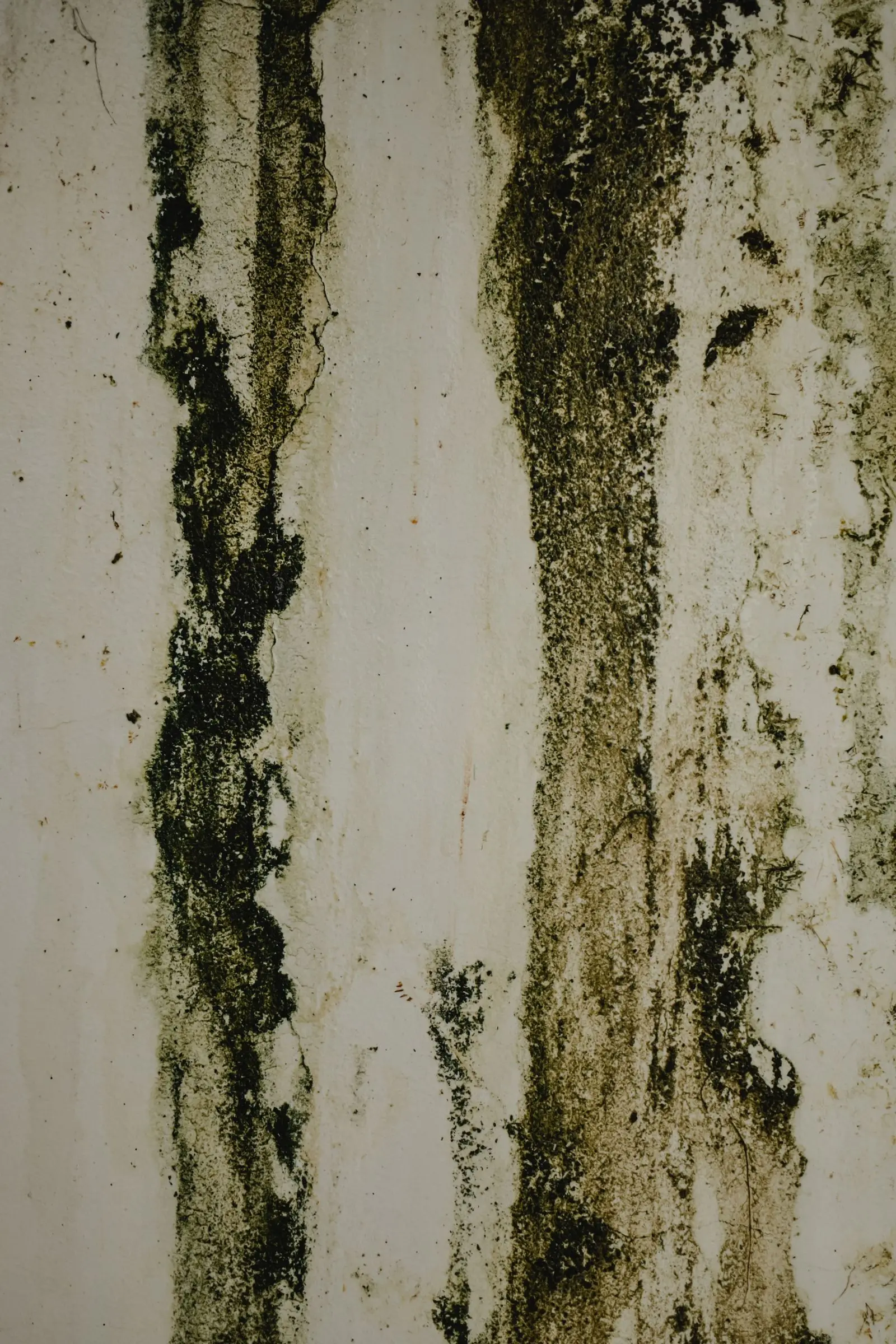
Watch for a rising water bill, a meter that moves with all water off, musty smells, stains, bubbling paint, warm floor spots and the sound of running water. The water meter test confirms a leak in about 15 minutes.
Read the guideWhat to Do When a Pipe Bursts
Shut off the main water valve, turn off electricity to any wet area if you can reach the panel safely, open faucets to drain the lines, and then call a plumber. Take photos before you clean up, and start drying within a day to prevent mold.
Read the guide
Low Water Pressure: Causes and Fixes
If only one fixture is weak, the cause is almost always a clogged aerator, showerhead or cartridge. If the whole house is weak, check that the main valve is fully open, then suspect a failing pressure-reducing valve, corroded galvanized pipes, a leak, or low supply pressure from the utility.
Read the guideGet leak detection help now
Call (833) 520-4758 to reach an available local pro.