Emergencies and leaks
Emergency plumbing, when water can't wait
An emergency plumber stops active leaks, sewage backups and loss of water or hot water before they damage your home. Shut off the main water valve first, then call; a local plumber can often be on the way the same day.
- Licensed plumbers in all 50 states
- Upfront pricing from the plumber before work
- Free referral, no obligation
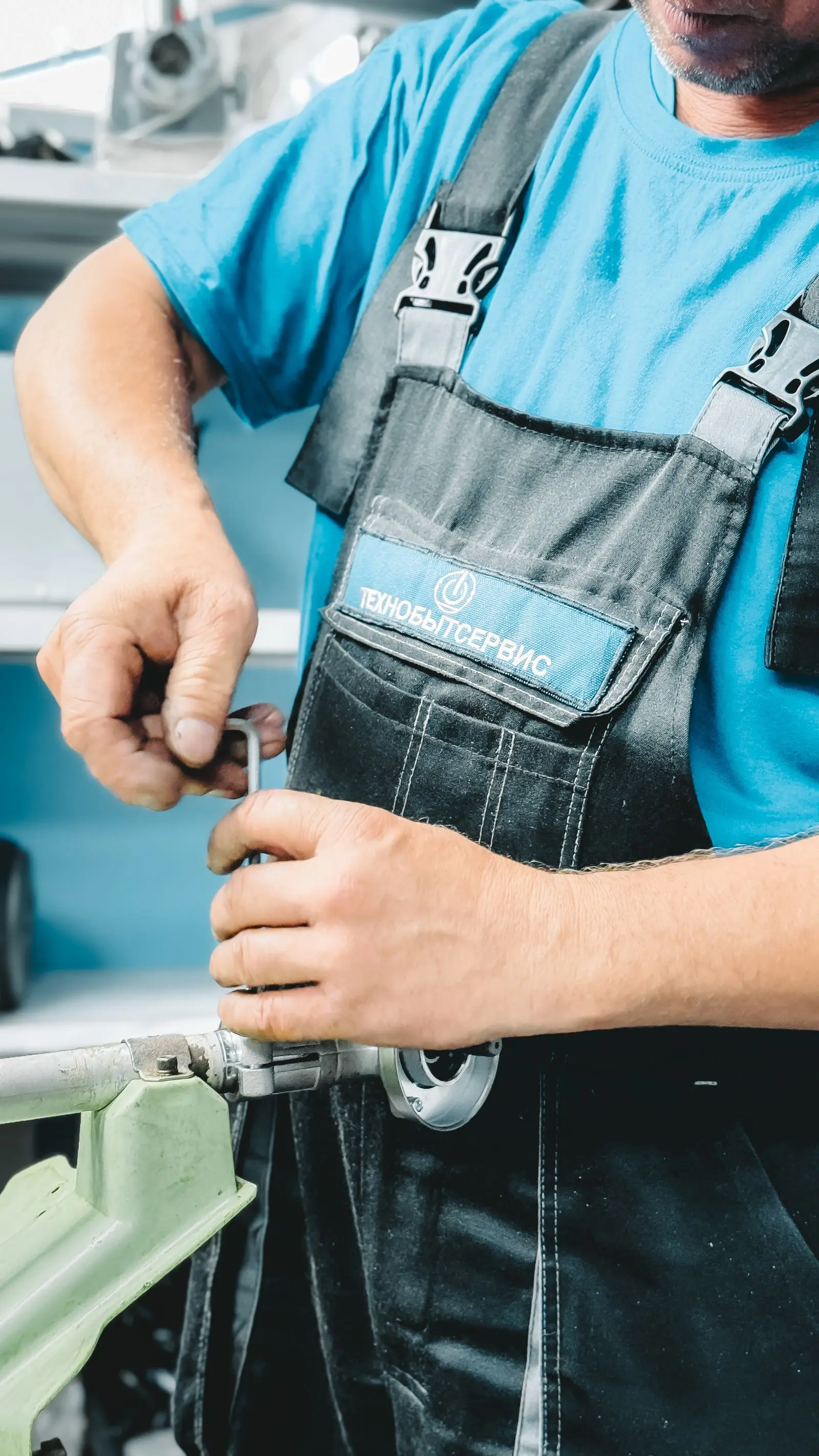
Most plumbing emergencies come down to three things: water where it shouldn't be, water that won't drain, or no water at all. A split supply line can release several gallons a minute, so the first minutes matter more than anything the plumber does later. Find the main shutoff now, before you need it; it's usually where the water line enters the house, near the water heater, or in a curb box by the street.
When you call, the plumber will ask what you see, whether the water is off, and whether anything electrical is wet. Expect them to isolate the problem first, make a safe temporary repair if parts aren't on the truck, then quote the permanent fix. If the leak has soaked drywall or flooring, water damage restoration may be needed to dry the structure and prevent mold.
Emergency Plumbing at a glance
- Service
- Emergency Plumbing
- Category
- Emergencies and leaks
- Availability
- Same-day service is often available; call to check timing
- Service area
- All 50 states and Washington, DC
- Also called
- 24 hour plumber, emergency plumber, burst pipe plumber
- First step
- Shut off the main water valve
- Cost
- Quoted on site by the pro before work starts; see cost factors below
Signs you need emergency plumbing
- Water spraying or pouring from a pipe, fitting or appliance hose
- Sewage coming up through a floor drain, tub or lowest toilet
- No water anywhere in the house, or no hot water in freezing weather
- A gas smell near the water heater (leave the house and call the gas utility first)
- Water dripping through a ceiling or pooling under a water heater
What the pro does, step by step
- 1
Triage by phone
You describe the problem and the plumber walks you through shutting off water, gas or power if needed, and confirms an arrival window.
- 2
Stop the water
On site, the plumber isolates the failed section so the rest of the house can have water back as soon as possible.
- 3
Repair or make safe
Most failures are fixed on the first visit. If a part must be ordered, the plumber caps or bypasses the line so the home is usable.
- 4
Explain what failed
You get the cause, the options for a permanent fix, and photos if you need them for insurance.
What affects the cost of emergency plumbing
Prices vary by market and job. The pro gives you a price before starting; these factors drive it.
- Time of day: nights, weekends and holidays usually carry a higher trip or labor rate
- Access: pipes behind finished walls, under slabs or in tight crawl spaces take longer
- Parts on hand versus special orders
- Whether the fix is a patch, a section replacement or a full fixture or heater replacement
- Local permit requirements for water heaters or sewer work
What you can safely do, and when to stop
Safe to do yourself
- Shut off the main water valve or the fixture's supply stop
- Turn off power to an electric water heater at the breaker
- Move valuables and open cabinets to let wet areas air out
- Take photos for insurance before cleanup
Stop and call a pro
- Any gas smell: leave and call the gas company
- Water near outlets, panels or appliances that are still on
- Sewage backups, which carry bacteria
- Soldering or cutting pipe if you've never done it
Emergency Plumbing FAQ
What counts as a plumbing emergency?
Anything that is actively damaging the home or makes it unsafe or unlivable: a burst or leaking pipe you can't shut off, sewage backing up, no water, a leaking water heater, or a gas smell. A dripping faucet or a slow drain can usually wait for a regular appointment.
How do I shut off the water to my house?
Turn the main shutoff valve clockwise (or turn a lever handle a quarter turn so it sits across the pipe). It's usually where the main line enters the home, near the water heater, in a basement or garage, or in a meter box near the street.
Is an emergency plumber more expensive?
Often, yes. After-hours and weekend calls usually cost more than a scheduled weekday visit. The plumber should tell you the trip charge and how labor is billed before starting.
Can a plumber come at night?
Many plumbers in our network take after-hours calls. When you call, we look for an available plumber serving your ZIP code, and they confirm timing directly.
Should I call a plumber or a water damage company first?
Call the plumber first to stop the source. If water has soaked walls, ceilings, insulation or flooring, call a water damage restoration company next so drying starts within 24 to 48 hours.
Emergency Plumbing near you
Available in all 50 states. Find local conditions for your area:
Or browse by state: Alabama, Alaska, Arizona, Arkansas, California, Colorado, Connecticut, Delaware, District of Columbia, Florida, Georgia, Hawaii and all states.
Related services
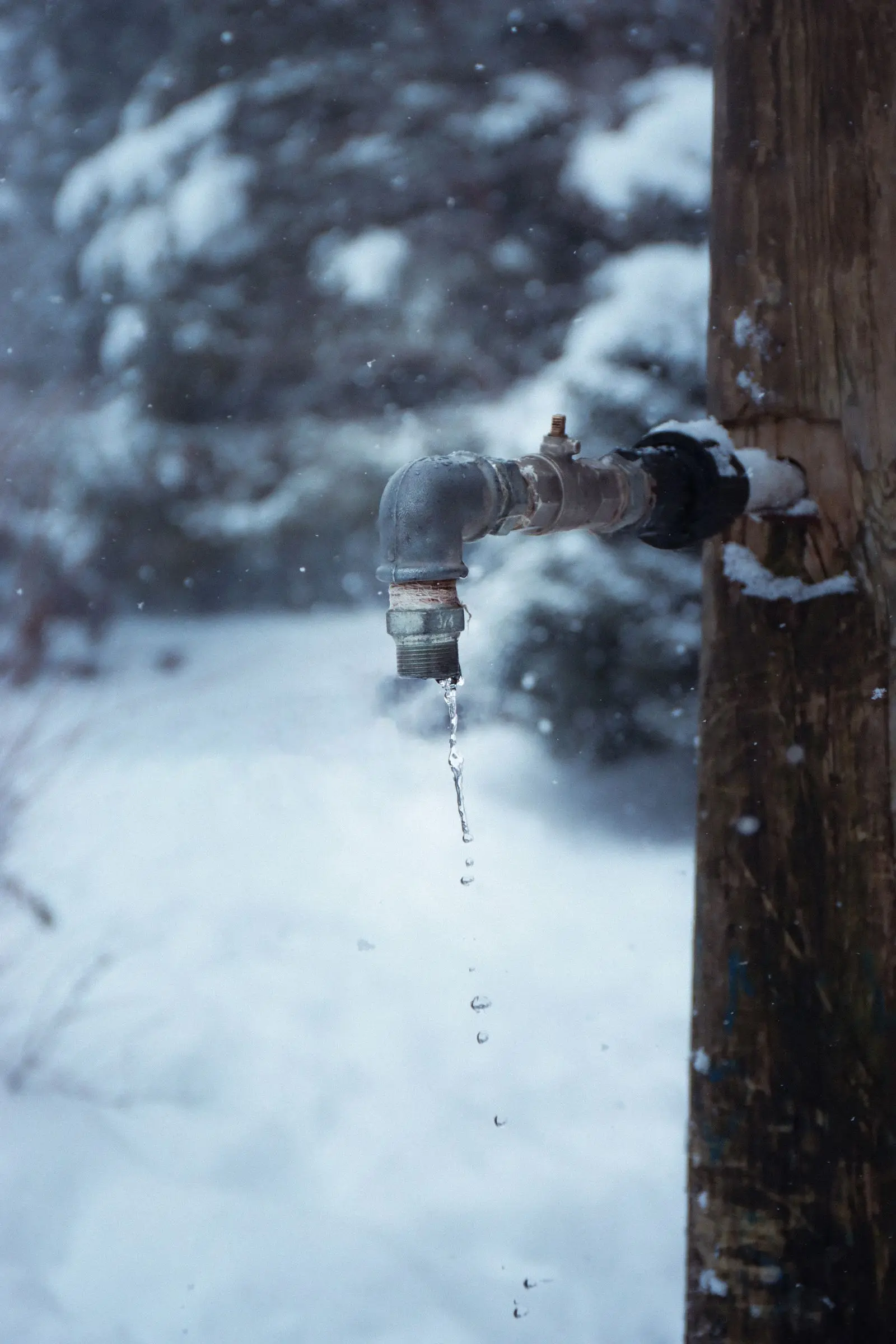
Burst and Frozen Pipe Repair
If a pipe has frozen, shut off the main water valve before it thaws, open the faucets it feeds and warm the area gently.
Learn more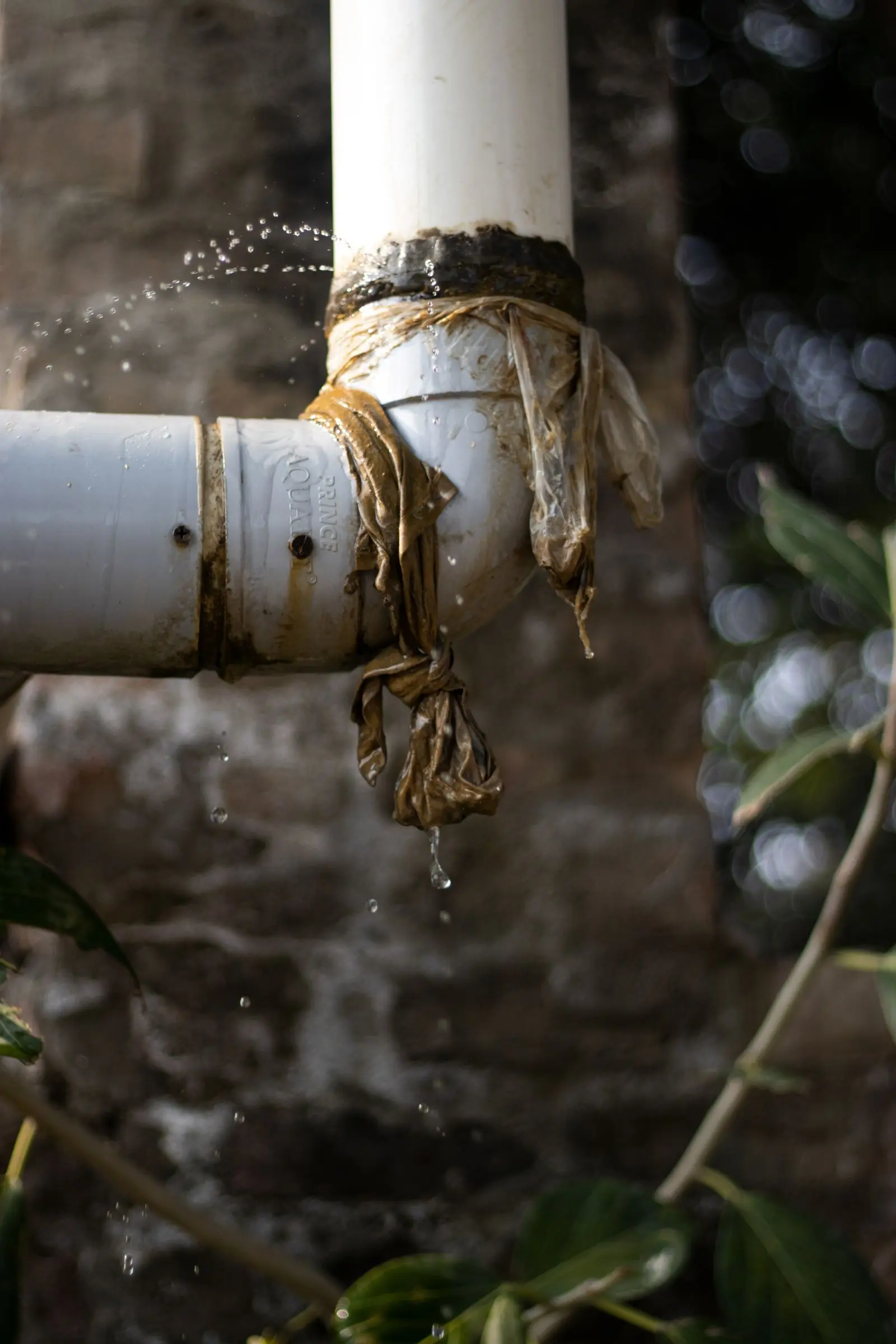
Leak Detection
Leak detection locates hidden leaks in walls, floors, slabs and yard lines using meter tests, pressure testing, acoustic listening and thermal imaging, so the plumber opens only the spot that needs repair..
Learn more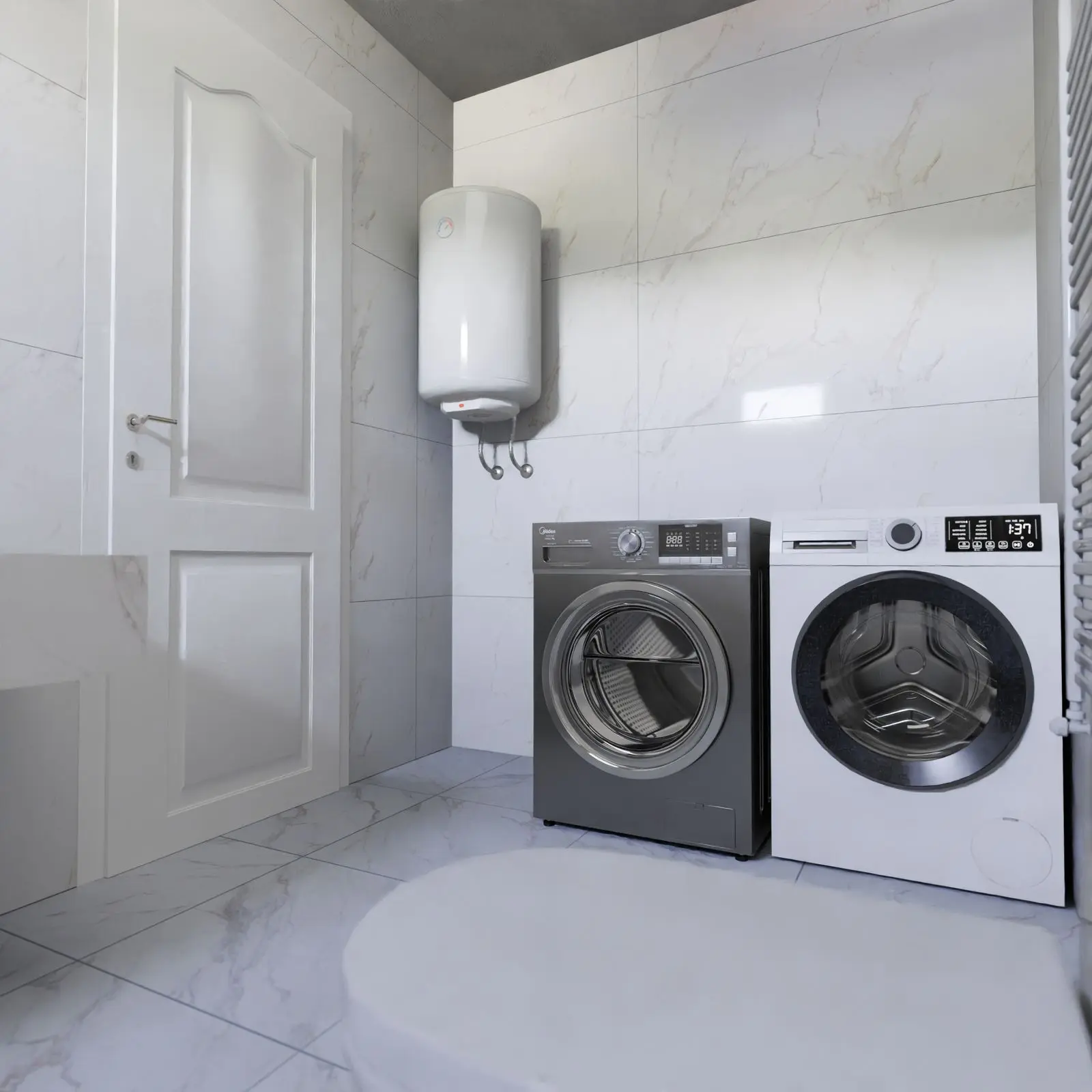
Water Heater Repair
Most water heater problems come from a failed heating element or thermostat (electric), a bad thermocouple, igniter or gas valve (gas), or sediment buildup.
Learn moreHelpful guides
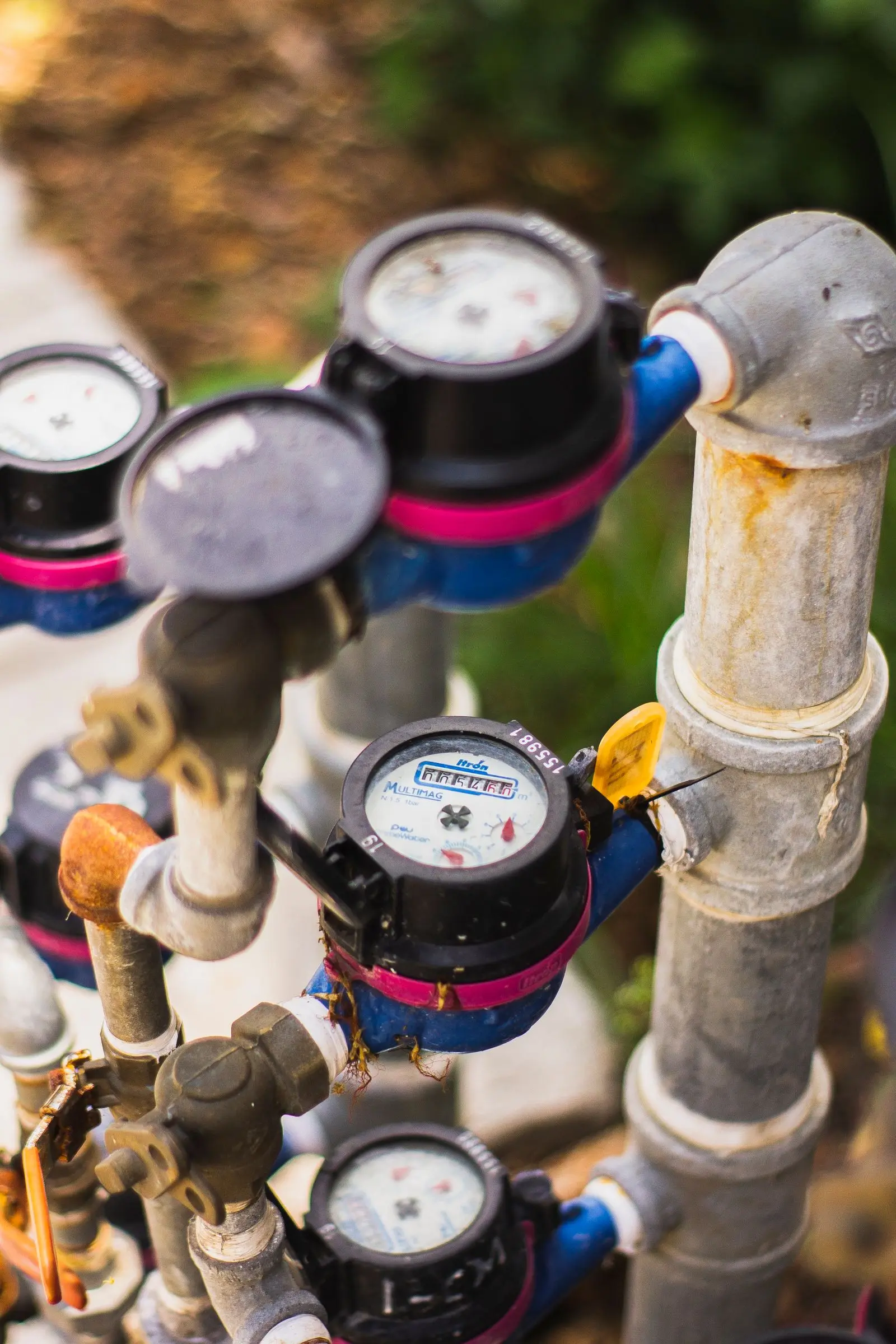
How to Shut Off the Water to Your House
Turn the main shutoff valve clockwise until it stops, or turn a lever handle a quarter turn so it sits across the pipe. It's usually where the water line enters the house, or at the meter near the street.
Read the guide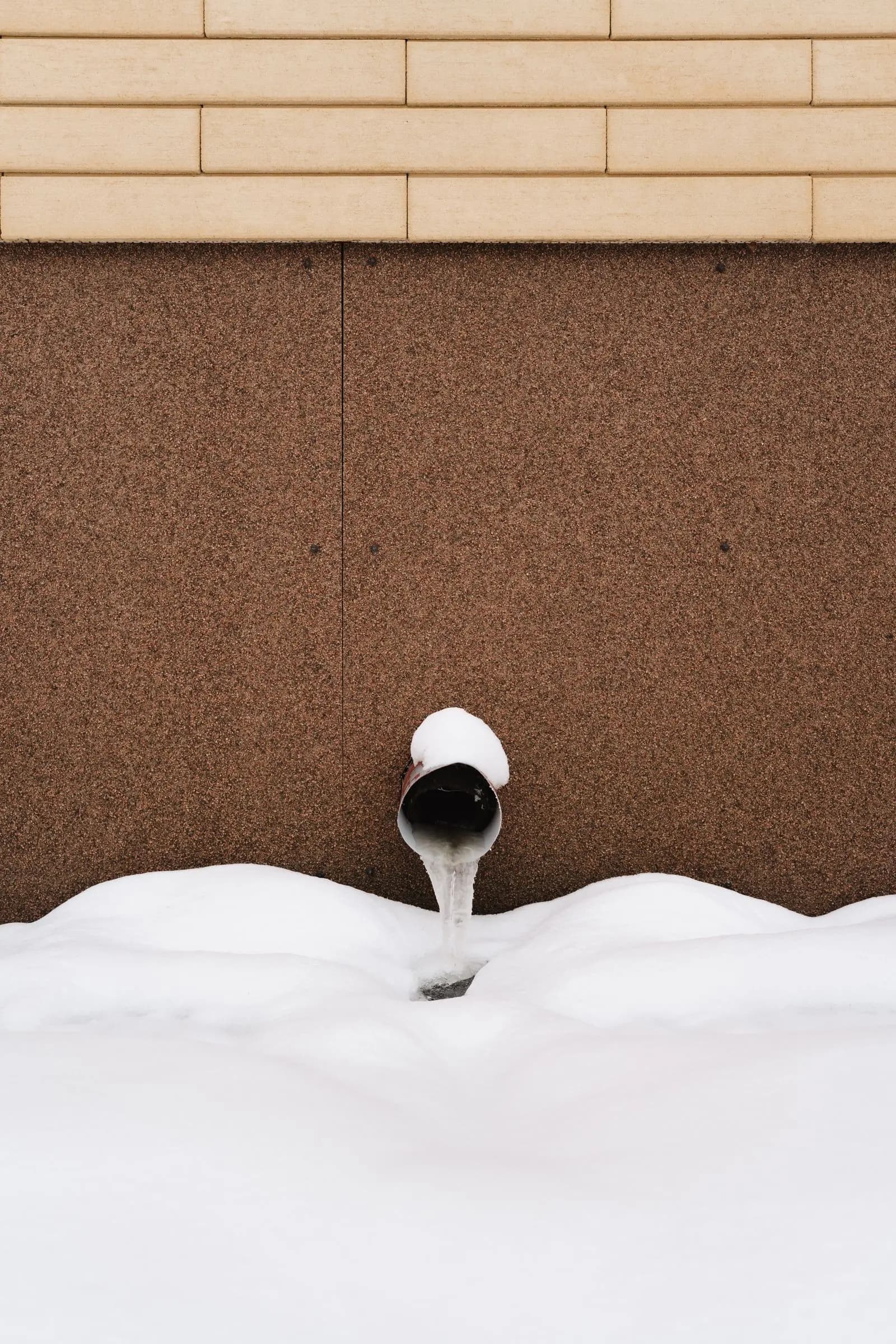
How to Prevent Frozen Pipes in Winter
Insulate pipes in unheated spaces, seal drafts, disconnect garden hoses, keep the heat at 55°F or higher, open cabinet doors on exterior walls and let faucets drip when temperatures drop into the teens.
Read the guideWater Heater Leaking? What to Do Right Now
Turn off the cold water supply valve on top of the heater and shut off the power or set the gas to off. Then find the source: fittings and valves can be repaired, but a leak from the tank itself means the heater must be replaced.
Read the guideGet emergency plumbing help now
Call (888) 555-0142 to reach an available local pro, or request service online.