
Chicago · Cook County
Emergency Plumber in Chicago, IL
Chicago's two classic plumbing emergencies are sewer water coming up through a basement floor drain during a downpour and a burst pipe in a January cold snap. Stop using water during a backup, shut off the main for a burst pipe, and hire a plumber who holds a City of Chicago license. Chicago plumbing emergencies are shaped by combined sewers, deep winters, and the largest lead service line problem of any city in the country. Most of the city is on combined sewers, so when a downpour overwhelms them, water rises in the main and comes back through basement floor drains, and that is a capacity problem, not a clog in your own line. On July 2, 2023, up to 9 inches of rain fell in 18 hours, at least 70,000 basements flooded, and damage across the Chicago area was estimated at 500 million dollars or more. The city estimates that about 400,000 homes, mostly single-family houses and two-flats built before 1986, have lead service lines, because Chicago required lead for service lines until 1986. If a lead service line breaks or leaks, the city replaces both the public and private sides for free once the break is reported to 311, and a basement flooding complaint to 311 triggers a crew to check the main sewer.
- Independent local pros
- Free referral, no obligation
- You approve the price before work starts
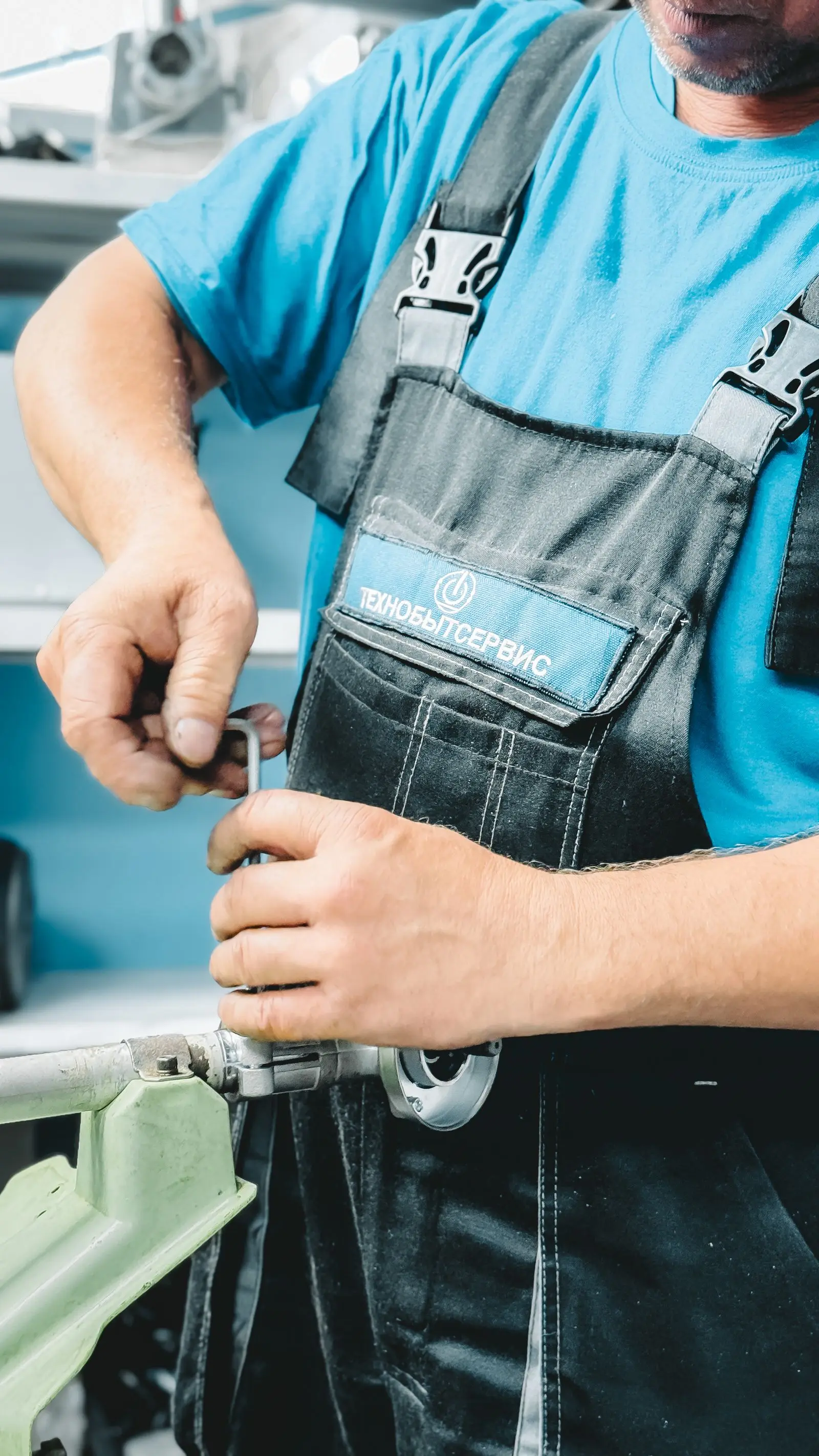
What to do first in a Chicago plumbing emergency
- For a burst pipe, close the main shutoff, usually on the line just inside the basement wall near the water meter
- During a storm backup, stop running water, washing or flushing until the street sewer recedes
- If a sump or ejector pump has failed in a storm, check whether the power is out; a battery backup keeps it running
- Keep people and pets out of standing sewage water and turn off power to the basement only if you can reach the panel safely
- If a basement is flooding during a storm, stop running water, washing, or flushing until the street sewer recedes, because every flush adds to the backup. Do not step into standing sewage water, and turn off power to the basement only if you can reach the panel safely from a dry spot. Call 311 to place a Water in Basement complaint, which triggers a crew to come out and investigate the main sewer to make sure it is flowing properly. If there is no issue in the main, the crew will leave a Private Drain flyer, which means the problem is in your own drain.
- If a pipe bursts, close the main shutoff, usually on the line just inside the basement wall near the water meter, then open the lowest faucet so the lines drain and the spray slows. Put buckets and towels under the break, move rugs and electronics off the floor, and switch off power to any room where water is near outlets or light fixtures. Pipes in Chicago freeze most often in exterior walls, enclosed back porches, garden units, and unheated basements, so check those spots first.
- If a sump pump or ejector pump has failed in a storm, check whether the power is out, whether the float moves freely, and whether the outside discharge line is frozen shut. A battery backup keeps the pump running through a power outage, and a pump that runs constantly without moving water may have a stuck float or a blocked discharge. If the pit keeps filling, move valuables off the basement floor and call for help before the water reaches stored items.
- If an ejector pump for a basement bathroom has failed, stop flushing basement fixtures and stop running water into the basement drains until it is fixed. The ejector pump lifts wastewater from below street level up to the sewer, and without it the basement fixtures will back up into the lowest drain. Do not try to clear the pump yourself if the pit contains sewage; a plumber can service the pump and check whether the float switch or the pump itself has failed.
- If a pipe is frozen but has not split, warm the area with a hair dryer or warm towels and open the faucet it feeds so water can move as the ice melts. Never thaw a pipe with an open flame or a torch, and never hold a heat gun in one spot, because the pipe can crack or the wall around it can catch fire. Garden units, enclosed back porches, and unheated basements are the places Chicago pipes freeze first, and a pipe that freezes and splits often does not leak until the thaw.
- If a lead service line breaks or leaks, call 311 to report it at once. Under the city Breaks and Leaks program, the Department of Water Management will contact you and schedule a time to replace both the private and public sides of the line for free. Do not let a plumber patch a section of a lead line, because cutting into lead pipe can release particles, and the law now requires a full replacement rather than a partial one. The city estimates that about 400,000 homes have lead service lines, mostly houses and two-flats built before 1986.
- If you smell gas, leave the building at once and call Peoples Gas or 911 from outside. Do not flip light switches, use a phone inside, or try to shut off the gas yourself. Gas has a rotten-egg odor added so it can be detected, and even a faint smell means getting out and calling from a safe distance. If the smell is outside on the street, call from a neighbor house or from down the block.
- If you have no water at all in a deep cold snap, check whether the neighbors are out too. A whole-street outage points to a water main break, and the Department of Water Management can be reached through 311. If only your house is dry, the buried service line or the line where it enters the basement may be frozen. Chicago service lines are buried deep, which protects them in a normal winter, but in an unusually cold winter with deep frost a buried line can freeze, and a plumber who thaws service lines should be called.
- If a sewer backs up in dry weather, the problem is in your own line, not the street main. A dry-weather backup means a clog, roots, or a collapsed section in the private drain, and the fix is a camera inspection and a cleaning or repair. The city Private Drain Program can help: the homeowner hires a licensed sewer contractor to rod and televise the private drain with a Department of Water Management house drain inspector present, and repairs are made when the problem is on the public side of the property. Stop using water until the line is cleared.
Plumbing emergencies that are common in Chicago
Most of the city is on combined sewers. When a downpour overwhelms them, water rises in the main and comes back through basement floor drains. That is a capacity problem, not a clog in your own line, unless it also happens in dry weather; backwater valves, overhead sewer conversions and ejector pumps are the permanent fixes.
Pipes in exterior walls, enclosed back porches, garden units and unheated basements are the first to freeze. Chicago licenses its own plumbers and enforces its own code, so ask for the city license number and whether the repair materials are approved in the city.
The July 2023 flood is the storm Chicago homeowners measure everything against. On July 2, 2023, rainfall of up to 9 inches fell over 18 hours, most of it from early morning to late afternoon, and at least 70,000 basements flooded across the Chicago area. Flood damage across northeastern Illinois was estimated at 500 million dollars or more, making it one of the most expensive weather events in Chicago history. The rainfall exceeded the capacity of the deep tunnels and the McCook Reservoir, combined sewer overflows sent 1.1 billion gallons of rainwater and sewage into Lake Michigan, and the event was declared a federal disaster on August 15, 2023, which allowed FEMA to offer individual assistance grants to those affected.
The Tunnel and Reservoir Plan, known as the Deep Tunnel, is the system that is supposed to catch Chicago stormwater, and the July 2023 flood showed its limits. The Metropolitan Water Reclamation District says the system was built to handle about two inches of rain in one event, and combined sewers generally handle at most a five-year storm, so a nine-inch rain overwhelms it no matter how much storage exists. The McCook Reservoir was only 17 percent full at 2 a.m. on July 2, yet combined sewer overflows began by 8:19 a.m., because local sewers could not carry stormwater to the tunnels fast enough. Stage 2 of McCook Reservoir will add 6.5 billion gallons of capacity, but the district says more work is needed across Cook County.
Lead service lines are the largest Chicago plumbing problem, and the city has more of them than any other city in the country. Chicago required lead for service lines until 1986, so any house or two-flat built before 1986 has a high likelihood of a lead service line. The city estimates that about 400,000 homes, mostly single-family houses and two-flats, have lead service lines. The replacement program began in 2021. The federal Lead and Copper Rule Improvements will require the city to replace about 20,000 pipes a year beginning in November 2027.
The Breaks and Leaks program is the fastest free route to a new lead service line in Chicago. If a service line breaks or leaks and must be repaired, it is now mandatory to call 311 to report it, and the Department of Water Management will then contact the owner and schedule a time to replace both the private and public sides of the line for free. Since January 2023, Illinois law bans partial replacement of a lead service line, so the whole line must be replaced. A lead line that starts leaking is therefore the moment to get a full replacement, not a spot repair.
The Equity Lead Service Line Replacement program offers a completely free full lead service line replacement, valued at 16,000 to 30,000 dollars, to homeowners who meet income requirements, generally a household income below 80 percent of the area median income, with priority given to homes with children under 18 or elevated lead in testing. The program also includes installation of a free water meter. The Homeowner-Initiated program is for owners who want to choose their own contractor: the city waives up to 5,000 dollars in permit fees, helps connect the new line to the water main, and gives a free water meter if the home does not already have one.
The Block-Long Replacement program replaces lead service lines for free whenever the Department of Water Management performs scheduled water or sewer main work on a block. As the department replaces aging mains, it replaces any lead service lines connected to that main, and the work is done at no cost to the homeowner. The Service Line Inventory is a free online tool where an owner can look up an address and see whether the service line is lead, non-lead, or still unknown. The city also offers free water filter sets, a pitcher plus six replacement cartridges certified to remove lead, to residents who qualify.
The Private Drain Program is how Chicago handles a private sewer drain that is failing on the public side of the property. The private sewer drain is owned by the homeowner, but through the program the drain is repaired when the problem is on the public side. To use the program, the homeowner hires a licensed sewer contractor to rod and televise the private sewer drain with a Department of Water Management house drain inspector present. A Water in Basement complaint to 311 is the first step, because it triggers a crew to investigate the main sewer and rule out a problem in the street.
Backwater valves, overhead sewer conversions, and ejector pumps are the three permanent fixes for a Chicago basement that floods in storms. A backwater valve lets wastewater out but closes to keep it from coming back through the floor drain. An overhead sewer conversion replumbs the house so the fixtures drain above street level and the basement fixtures pump up to the sewer, which takes the basement out of the surcharge path entirely. An ejector pump lifts wastewater from a basement bathroom or laundry up to the sewer line. A plumber can explain which of the three fits a particular house, because the right fix depends on how the house is plumbed now.
Frozen pipes in Chicago usually fail in the same few places: exterior walls, enclosed back porches, garden units, and unheated basements. Garden units sit partly below grade with pipes in cold outside walls, and enclosed back porches are unheated, so a hard cold snap can split a line that has survived for years. A pipe that freezes and splits often does not leak until the thaw, so the damage is discovered a day or two after the coldest night. Keeping the heat on in rooms with exposed pipes, opening cabinet doors on exterior-wall sinks during a freeze, and letting a faucet drip on the coldest nights are the habits that matter.
Tree roots find Chicago sewer laterals the same way they do everywhere, and the parkway trees make it worse. Silver maples and other large street trees send roots toward the moisture in a sewer lateral, and a clay or cast iron lateral with a small crack is an open invitation. The signs are more than one drain backing up at once, gurgling toilets, and a drain that slows down every few months. A camera inspection shows the extent of the problem, and a regular cleaning schedule keeps a root-filled line working until it can be replaced.
Sump pump discharge lines freeze in Chicago winters, and a frozen discharge is the most common reason a working pump fails to move water. The pump runs, the pit rises, and the water has nowhere to go because the line outside is a solid block of ice. Keeping the discharge line short, sloped, and clear of the foundation, and checking it after the first hard freeze, prevents most failures. A pump that runs constantly without moving water should be unplugged once to check for a stuck float, then checked for a frozen discharge before the pit overflows.
Water main breaks in Chicago streets are a winter event, and they matter to homeowners even though the city owns the main. A break can drop pressure across a block, stir up sediment that clogs aerators and appliance filters, and in a hard freeze it can leave a whole street without water. Chicago water mains are old, and the department replaces them block by block along with the lead service lines connected to them. If the street outside your house is flooding from a crack in the pavement, call 311 and do not try to shut anything off at the street yourself.
Galvanized steel and cast iron pipe are still common in Chicago bungalows and two-flats built before 1960, and they fail from the inside out. Mineral scale and corrosion narrow galvanized supply lines over decades, so pressure drops a little each year until a shower is a trickle. Cast iron drains corrode at joints and crack, and the first sign is usually a slow drain that keeps coming back after every cleaning. A plumber can tell the pipe material from an exposed run in the basement, and a repipe in copper or PEX is the usual answer once original pipe starts leaking.
Low water pressure across a whole Chicago house usually means the lead or galvanized service line is closing up, not a problem with the city main. The pressure drop is gradual, so owners get used to it, and the first clear sign is often a shower that is weak on the second floor while the basement sink is fine. A plumber can test pressure at a hose bib and look at an exposed run in the basement to confirm the pipe material. If the service line is lead, a break or leak qualifies for a free full replacement under the Breaks and Leaks program, which also restores pressure.
Kitchen grease is the quiet killer of old Chicago cast iron drains. Grease poured down a sink hardens in the line, and in a cold basement it sets up fast, narrowing a pipe that is already rough with corrosion. A garbage disposal does not solve a grease problem; it pushes the grease further down the line. Wiping pans before washing and never pouring grease down the drain are the two habits that matter, and a slow kitchen drain should be snaked and flushed before it becomes a full backup on a holiday evening.
Rain barrels, rain gardens, and permeable pavement are the small fixes the Metropolitan Water Reclamation District suggests for Chicago flooding. A rain barrel on a gutter downspout captures stormwater that would otherwise run straight into the combined sewer, and a rain garden lets water soak into the ground instead of running off. The district has installed rain gardens and permeable pavement at 34 local schools, and it encourages homeowners to disconnect downspouts from the sewer where the code allows it. These do not replace a backwater valve, but they reduce the load on the system during the next big rain.
The Flood Assistance Repair Program helps West Side homeowners whose basements were damaged by the major flooding in 2023 and 2024. The program provides up to 25,000 dollars in home repairs for those whose basements were damaged, and it is run through community organizations that help residents with flooding. Four out of five flooding complaints to 311 over the past five years came from South and West Side community areas, and many homeowners are still waiting for basements to be cleaned out and repaired from the 2023 floods. A homeowner with flood damage should ask about the program before paying for repairs out of pocket.
A camera inspection before buying a Chicago bungalow or two-flat is worth more than a general home inspection for plumbing. The sewer lateral and the service line are underground, original to the house, and the owner responsibility, and a root-filled lateral or a lead service line can cost thousands to replace. A licensed plumber can run a camera from the cleanout to the street main and show the buyer the condition of the pipe on video, and the Service Line Inventory can show whether the service line is lead. A house with a sound lateral and a backwater valve already installed is a much safer buy.
Water heaters in Chicago basements fail in a pattern. A heater that has been popping or losing hot water is usually full of sediment, and the tank bottom is the part that rusts through first. A basement heater can leak for days behind a furnace or a pile of stored boxes before anyone notices, because the floor is concrete and the water spreads thin. A drain pan with a working drain line, a water alarm on the floor, and a monthly look at the base of the tank are the cheap protections, and a tank that is popping should be flushed before it fails.
Toilet and sink backups in a Chicago two-flat that affect more than one fixture at once mean the main drain or the lateral is blocked, not a single trap. A backup that affects one fixture is usually that fixture, but a backup that affects every fixture on one floor means the shared drain is blocked. Stop using water in the whole building, not just the affected flat, because every flush upstairs adds to the backup downstairs. A plumber will usually clear the line from the cleanout outside, and a camera inspection after the cleaning shows whether roots or a collapsed section caused it.
Licensing and permits in Chicago
Chicago adopts and enforces its own plumbing code, which has historically been stricter about pipe materials than the codes used in most suburbs, and plumbers working in the city must hold a City of Chicago plumbing license. Permits come from the Department of Buildings. Ask for the license number, and ask whether the materials quoted are approved for use in the city.
Keystream Plumbing is a referral service. We do not perform plumbing work or hold a contractor license. The independent plumber you are connected with is responsible for licensing, permits and the work itself.
What happens when you call
The steps are the same in Chicago as anywhere; same-day service is often available; call to check timing.
- Triage by phone. You describe the problem and the plumber walks you through shutting off water, gas or power if needed, and confirms an arrival window.
- Stop the water. On site, the plumber isolates the failed section so the rest of the house can have water back as soon as possible.
- Repair or make safe. Most failures are fixed on the first visit. If a part must be ordered, the plumber caps or bypasses the line so the home is usable.
- Explain what failed. You get the cause, the options for a permanent fix, and photos if you need them for insurance.
Emergency plumbing questions from Chicago
Is a flooded Chicago basement during a storm an emergency plumber call?
Often it is the combined sewer in the street backing up, which no plumber can stop mid-storm. Stop using water and wait for the sewer to recede, then have a plumber explain backwater valve or overhead sewer options. If it backs up in dry weather, call a plumber to clear and camera your own line.
Does the plumber need a Chicago license for an emergency repair?
Yes. Plumbing work inside the city must be done by a plumber licensed by the City of Chicago, emergencies included.
What should I do if my Chicago basement floods during a storm?
Stop running water, washing, or flushing until the street sewer recedes, because every flush adds to the backup. Do not step into standing sewage water, and turn off power to the basement only if you can reach the panel safely from a dry spot. Call 311 to place a Water in Basement complaint, which triggers a crew to investigate the main sewer. If the crew finds no issue in the main, the problem is in your private drain, and the Private Drain Program can help with repairs on the public side of the property.
How do I get my Chicago lead service line replaced for free?
There are four routes. If the line breaks or leaks, call 311 and the Breaks and Leaks program replaces both sides for free. If your income qualifies, the Equity program offers a completely free full replacement, valued at 16,000 to 30,000 dollars. If you want your own contractor, the Homeowner-Initiated program waives up to 5,000 dollars in permit fees and gives a free water meter. If the city replaces the water main on your block, the Block-Long program replaces your lead line for free. Check your address in the free Service Line Inventory first.
What is an overhead sewer conversion in Chicago?
An overhead sewer conversion replumbs the house so the fixtures drain above street level and the basement fixtures pump up to the sewer, which takes the basement out of the surcharge path entirely. When the combined sewer fills in a storm, water can no longer push back through a basement floor drain, because the basement no longer drains by gravity into the street main. A backwater valve stops pushback at the drain, and an ejector pump lifts wastewater from a basement bathroom, but only an overhead conversion removes the gravity connection. A plumber can tell whether a house is a good candidate, because the conversion needs room for the pump and the new drain runs.
What is the Private Drain Program in Chicago?
The Private Drain Program repairs a private sewer drain when the problem is on the public side of the property, even though the drain is owned by the homeowner. To use it, the homeowner hires a licensed sewer contractor to rod and televise the private drain with a Department of Water Management house drain inspector present. The first step is a Water in Basement complaint to 311, which triggers a crew to investigate the main sewer and rule out a problem in the street. If the main is fine, the crew leaves a Private Drain flyer explaining the next steps.
Why does my Chicago basement flood every time it rains hard?
Most of Chicago is on combined sewers that carry sewage and stormwater in the same pipe, and the system was built to handle about two inches of rain in one event. A harder rain overwhelms the sewers, water rises in the main, and it comes back through basement floor drains. On July 2, 2023, up to 9 inches of rain fell in 18 hours and at least 70,000 basements flooded. A backwater valve stops the pushback, and an overhead sewer conversion or an ejector pump is the permanent fix for a basement that floods every storm.
Can a plumber fix a burst pipe in a Chicago garden unit?
Yes, but the repair needs a plumber with a Chicago license, because Chicago licenses its own plumbers and enforces its own code. Garden units sit partly below grade with pipes in cold outside walls, so a burst there often means opening a wall to reach the split. Ask for the city license number and whether the repair materials are approved in the city. Shut off the main valve first, which is usually on the line just inside the basement wall near the water meter, and move belongings off the floor before the plumber arrives.
What should I do if my Chicago sump pump fails in a storm?
Check whether the power is out, whether the float moves freely, and whether the outside discharge line is frozen shut. A battery backup keeps the pump running through a power outage, and a pump that runs constantly without moving water may have a stuck float or a blocked discharge. If the pit keeps filling, move valuables off the basement floor. Test the pump before storm season by pouring a bucket of water into the pit, and replace a backup battery that is more than a few years old.
Does homeowners insurance cover a flooded Chicago basement?
Most standard homeowners policies cover sudden water damage from a burst pipe inside the home, but they do not cover flood water that comes in from outside, and sewer backup coverage is usually a separate endorsement that has to be added to the policy. Photograph the water and the damage before cleanup, keep receipts for the emergency plumber and for any drying equipment, and call your insurer the same day. The July 2023 flood was declared a federal disaster, which allowed FEMA to offer individual assistance grants to those affected.
Sources
- Lead service line replacement and water quality, City of Chicago Department of Water Management
- Association of Environmental and Engineering Geologists honors MWRD's Tunnel and Reservoir Plan, Metropolitan Water Reclamation District of Greater Chicago
- Chicago Tribune questions and answers, Metropolitan Water Reclamation District of Greater Chicago
- July 2, 2023 flooding, National Weather Service
- July 2023 Chicago Area Flood, Wikipedia
- Chicago officials reverse flow of river as flash floods fill city sewers, Circle of Blue
- MWRD and City of Chicago collaborate on new underground storage project to protect West Side from flooding, Metropolitan Water Reclamation District of Greater Chicago
- Federal government to deliver Chicago and Cook County millions in disaster relief funds for severe storms and flooding, Metropolitan Water Reclamation District of Greater Chicago
- Interior drain tile system, A-Pro Seal
- Effective waterproofing for Chicago's wet basements, Chicago Foundation Repair Pro
- Keeping sump discharge line from freezing, Carpentersville Plumbers
- Heavy rain soaks Chicago area; officials issue Overflow Action Day, urge people to use less water, Metropolitan Water Reclamation District of Greater Chicago
- Palos Park municipal code, American Legal Publishing
- Overhead sewer conversion in Chicago, Rodding Rooter
- With extreme rainfall overwhelming Chicago's sewers, the city tries a new approach, Smart Cities Dive
- MWRD issues update on Tunnel and Reservoir Plan, Metropolitan Water Reclamation District of Greater Chicago
- 9 a.m. Storm Update, Metropolitan Water Reclamation District of Greater Chicago
- Tunnel and Reservoir Plan, Wikipedia
- Projects highlight MWRD's green infrastructure commitment, Metropolitan Water Reclamation District of Greater Chicago
- A decade of watershed protection: MWRD ordinance records 10 years of accomplishments in stormwater management, Metropolitan Water Reclamation District of Greater Chicago
- Metropolitan Water Reclamation District plans more projects to help curb flooding, Metropolitan Water Reclamation District of Greater Chicago / CBS News
- As flooding increases, Chicago looks to make basement housing safer, Canary Media
- Chicago Landlord Secrets: Preparing for Chicago Flooding, ADUs Breaking News, and CHA Issues, GC Realty
- Iron Ochre Found During Your Home Inspection? What You Should Know, Dunsing Inspections
- Iron Ochre, Extension Bulletin E3453, Michigan State University Extension
- Ill. Admin. Code tit. 32, section 422.150 — Mitigation Standard for Existing Housing, Cornell Law Institute (LII)
- Radon Mitigation for Sump Pumps - Chicago IL, DuPage Radon Contractors
- Lead service lines, US Environmental Protection Agency
- The Federal Clock Is Ticking: Actions Chicago Must Take to Get the Lead Out, Natural Resources Defense Council
- Replace the Pipes, Invest in People: Chicago Lead Service Line Replacement Issue Brief, Natural Resources Defense Council
- How we mapped Chicago lead pipe problem and what we learned, Grist
- Lead Pipes are Everywhere in Chicago. Here is How to Protect Yourself., City Bureau
- City-Assisted Lead Service Line Replacement Programs, Lead Safe Chicago
- Service Line Inventory, City of Chicago Department of Water Management
- How Deep Are Water Lines Buried? By ZIP Code, State and Code, Footing Depth
- Illinois Administrative Code, Section 890.1150: Water Service Pipe Installation, Justia
- Why Is It So Expensive to Replace Lead Pipes in Chicago?, WBEZ, Grist and Inside Climate News
- Extreme Cold Blamed for 17 Deaths in Midwest, Northeast, Weather.com
- When Was the Polar Vortex in Chicago?, Biology Insights
- Is PEX Allowed in Chicago? The Current Plumbing Code, Engineer Fix
- City Council Approves Ordinance Amending Chicago Plumbing Code to Facilitate Affordable Housing and Economic Recovery, PHCP Pros
- The Chicago Bungalow, Chicago Architecture Center
- 18-29-305.6 Freezing, Municipal Code of Chicago
- A New Push Has Begun To Update Chicago's Archaic Plumbing Code, Bisnow
- Getting to Know the Chicago Bungalow, Baird and Warner
- Deadly Arctic cold strains resources in US Midwest, Phys.org
- Polar vortex out, spring in? Record-breaking cold killed 18, USA Today Network
- MWRD Shows How It Treats Wastewater, Metropolitan Water Reclamation District of Greater Chicago
- Metropolitan Water Reclamation District of Greater Chicago, Wikipedia
- Chicago Tribune Questions and Answers, Metropolitan Water Reclamation District of Greater Chicago
- Combined Sewer Systems in Chicago: What It Means for Your Home, Madden Sewer and Drain
- Why Is It So Unusually Expensive to Replace Lead Pipes in Chicago?, Grist
- About Lead-Safe Chicago, City of Chicago
- How Do Tree Roots Get Into Sewer Lines?, Chicago Sewer Experts
- Chicago Basement Flooding: Causes and Prevention, Suburban Plumbing Experts
- Flood Prevention, Scottish Plumber
- Chicago Lead Service Lines Guide, Plumbers 911 Chicago
- Climate Watch: As major flooding events become more common in Chicago, a search for solutions, Metropolitan Water Reclamation District of Greater Chicago
- How urban gardens and green spaces are fighting Chicago's flooding crisis, The Chicago Reporter
- July 2023 Chicago area flood, Wikipedia
- Water Management, Alderman Samantha Nugent
- Peoples Gas, Peoples Gas
- Fix a Leak Week, U.S. Environmental Protection Agency
- Frozen Pipes, American Red Cross
- Water Line Repair and Replacement in Chicago, IL, Keystream Plumbing
Local information reviewed November 14, 2026. Rules and programs change; confirm details with the agency before you rely on them.
More plumbing help in Chicago
Emergency plumbers in other cities
Plumbing emergency in Chicago?
Call (833) 520-4758. Same-day service is often available; call to check timing.