
Miami · Miami-Dade County
Emergency Plumber in Miami, FL
Miami has no frozen-pipe emergencies, but it has failing cast-iron drains under older slabs, storm and flood damage, and condo leaks that spread across floors. Shut off your water, and in a condo notify building management at once, since shared risers usually belong to the association. Miami plumbing emergencies are shaped by water that sits a few feet below the surface and a city that floods from the sky, the sea, and the ground at the same time. There are no basements here because the groundwater is only a few feet down, and the drinking water comes from the Biscayne Aquifer, a shallow layer of porous limestone that has been fighting saltwater intrusion since the 1930s. The United States Geological Survey found the saltwater interface advanced up to 0.3 kilometers northward and up to 0.8 kilometers in the Model Land Area to the south between 2018 and 2022, and sea level has risen 6 to 8 inches since the 1990s at an accelerating rate. The county runs about 120,000 septic systems, and a 2018 report found almost half of them break down in a given year, growing to 64 percent by 2040. The Miami-Dade Water and Sewer Department operates three major water treatment plants and serves about 2.3 million residents, and its emergency line for a broken water main is 305-274-9272. The everyday emergencies are failing cast-iron drains under older slabs, storm and flood damage, and condo leaks that spread across floors, and the first thing to do in each one is the same: shut the water off, find out whether the problem is yours or the building, and do not use any appliance that was under water until it has been checked.
- Independent local pros
- Free referral, no obligation
- You approve the price before work starts
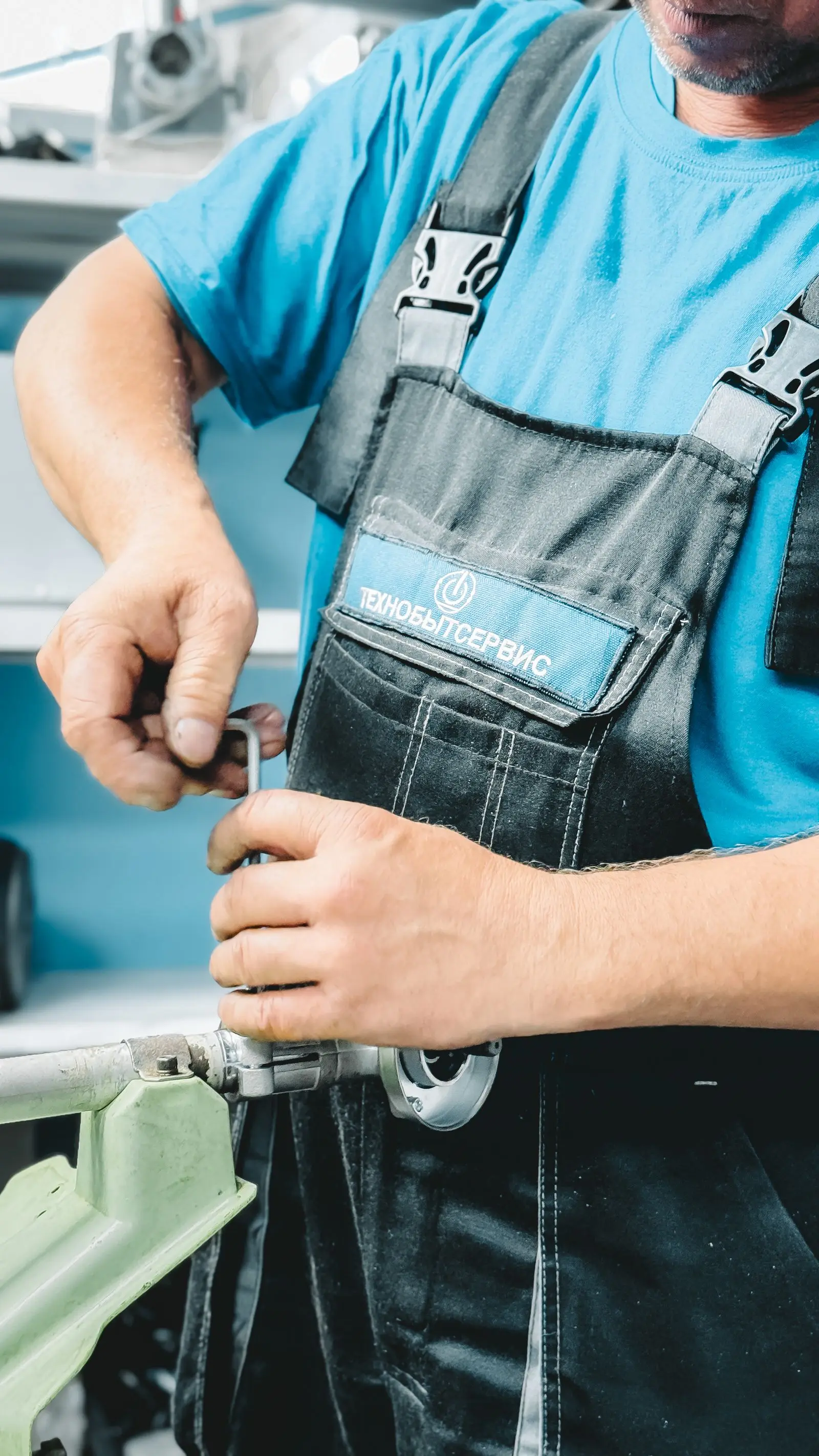
What to do first in a Miami plumbing emergency
- Close your unit or house shutoff; outdoor valves near the coast corrode and seize, so if yours will not turn, call the plumber and the building
- In a condo, report the leak to management immediately and warn the units below
- After a flood or storm surge, do not use a water heater or gas connection that was under water until it has been checked
- In a septic home, slow drains after heavy rain usually mean a saturated drain field, not a clog, so limit water use
- If water is coming through the ceiling from the unit above, move valuables out of the way and photograph the damage before cleanup starts. Shut off your own unit valve, notify building management at once, and warn the units below you. Do not cut into the ceiling to find the leak: shared risers and stacks normally belong to the association, and the building decides who opens them. If the leak is in your own fixture or supply line, the association may still need to approve the plumber and see proof of insurance.
- If the outdoor shutoff valve will not turn, do not force it. Valves near the coast corrode and seize from salt air, and a forced valve can snap off in the open position and leave you with no way to stop a leak. Call a plumber and the building management if you are in a condo: the plumber can replace a seized valve with a brass ball valve that resists corrosion, and the building may own the valve if it sits on a shared riser. In the meantime, shut off the fixture valves inside the unit.
- If storm surge or floodwater reaches the house, shut off power at the main panel if it is safe to reach, and do not enter standing water while the power is on. Do not use a water heater or gas connection that was under water until it has been inspected: floodwater damages gas controls and electrical parts in ways that are not visible from outside. Move valuables to higher ground and photograph the water line on the walls before cleanup, since the insurer and the federal flood program will both ask for it.
- If the house is on septic and the drains slow down after heavy rain, limit water use and do not run the washing machine or the dishwasher until the ground dries. Slow drains after rain usually mean a saturated drain field, not a clog, and adding more water makes it worse. Do not pump the septic tank while the ground is flooded: an empty tank can float out of saturated soil. Call a plumber or a septic contractor to check the field once the rain stops, and ask whether the system is on the county list for conversion to sewer.
- If the house suddenly has no water, check with the neighbors first. A street-wide outage points to the water department, while a single dry house points to a closed valve or a failed shutoff. To report no water or a main break, call the Miami-Dade Water and Sewer Department emergency line at 305-274-9272. If the water comes back brown after nearby street work, run the cold tap briefly and call the plumber if it does not clear.
- If water is running down the street or bubbling up through the sidewalk, treat it as a water main break. Stay out of the flowing water, keep cars away from softened pavement, and report the location to the Water and Sewer Department at 305-274-9272 with the nearest cross street. A contractor striking a main is one of the most common causes: in January 2023 a private contractor struck a 20-inch water main near 100 Biscayne Boulevard, crews had to shut water to 10 properties, and the residents went under a precautionary boil water order until service was restored.
- If sewage is backing up through a tub, shower, or floor drain, stop using water everywhere in the house and do not open a cleanout to relieve the pressure. Call a plumber to clear the line and run a camera through a cleanout to show its condition. If the neighbors are backing up too, the problem may be in the public sewer or a surcharged main, and the Water and Sewer Department should hear about it. In a home built before about 1975, the most likely cause is a deteriorated cast-iron drain under the slab.
- If you smell gas, leave the building and call 911 and your gas utility from outside. Do not flip a light switch, use a phone, or start a car inside or near the building, and do not go back in until the utility or the fire department says it is safe. Do not try to find the leak yourself or relight any appliance. Gas work after a leak is a licensed contractor job, and the utility must clear the line before service is restored.
- If a cast-iron drain under the slab starts leaking sewage into the house, shut the water off and call a plumber. The signs are sewage coming up in tubs or showers, a sewage odor that will not go away, and drains that slow down across the whole house at once. A camera through a cleanout shows whether the bottom of the pipe has corroded away, which is the usual failure in homes built before about 1975. Do not keep running water while the diagnosis is pending: every gallon you send down goes into the ground under the slab.
Plumbing emergencies that are common in Miami
Single-family homes built before about 1975 generally have cast-iron drain lines under the slab. When the bottom of the pipe corrodes away, sewage can back up into tubs and showers, and sewer odors and insects coming up through drains are early warnings.
Groundwater sits a few feet below the surface, so there are no basements and drainage slows quickly in heavy rain. Plumbing contractors are licensed by the Florida Department of Business and Professional Regulation, which you can check online.
Miami drinking water comes from the Biscayne Aquifer, a shallow layer of porous limestone that sits only a few feet below the surface and is unconfined, which means it has no protective clay layer above it. Rain soaks straight down into it, and so does saltwater when the sea pushes inland. The aquifer is the primary drinking water source for the county, and the Water and Sewer Department collects groundwater from wells that draw mostly from it, with a limited number of wells drawing from the deeper Floridan Aquifer. That shallow, open structure is why a flood, a spill, or a failing septic system near a wellfield matters to the whole water supply.
Saltwater intrusion has been recognized in Miami-Dade County since the 1930s, and it is moving. The United States Geological Survey compared the saltwater interface in 2022 with 2018 and found it had advanced up to 0.3 kilometers northward and up to 0.8 kilometers in the Model Land Area to the south, measured at the 1,000 milligrams per liter chloride line. Sea level has risen 6 to 8 inches since the 1990s, and the rate is accelerating. The Water and Sewer Department has responded by relocating and deepening some wellfields, and the county runs a 20-year water use efficiency plan to stretch the supply.
The Water and Sewer Department operates three major water treatment plants that use lime softening, filtration, and disinfection, and the system serves about 2.3 million residents. The department is also shifting from ocean outfalls to deep well injection and water reuse for wastewater. When the system loses pressure after a break or a failed test, the department asks affected customers to boil water for drinking and cooking, and it posts an estimated restoration time for a break that affects many customers. The emergency number for a broken water main or pipeline is 305-274-9272, answered 24 hours a day.
About 120,000 septic systems operate across Miami-Dade County, and a 2018 report found almost half of them break down in a given year, growing to 64 percent by 2040. The county Connect 2 Protect program is converting homes from septic to sewer, with about 11,000 conversions in process, grants of up to 15,000 dollars, and zero-percent loans for eligible owners. Once a property is notified, the owner has 365 days to connect. A septic system that backs up after every heavy rain is a system the county already knows about, and the conversion program is the permanent fix.
Biscayne Shores shows what a failing septic system looks like at street level. About 190 residential parcels in the low-lying coastal neighborhood sit on septic, and the area floods on Northeast 108th and 109th Streets and North Bayshore Drive during rain and king tides. When the ground is saturated, the drain fields cannot absorb wastewater, and the system backs up into homes. The county has identified the neighborhood as a high-risk coastal zone for conversion, and the same pattern repeats in other low-lying areas across the county.
The Water and Sewer Department runs a Cross-Connection Control and Backflow Prevention Program under the Florida Administrative Code to protect the public water supply. When a cross-connection cannot be eliminated, a backflow prevention assembly is required, and the device has to be tested on installation and annually by a certified backflow prevention assembly tester. A certified tester must complete a 40-hour training course and a proficiency test, and testers are re-certified every two years. A customer who fails to test can be charged a 250 dollar backflow preventer test and non-compliant certification fee after two notices, when the department hires a contractor to do the test. The program office sits at 1001 Northwest 11th Street, Miami, and can be reached at (305) 547-3046.
Backflow assemblies come in four types, and the property use decides which one is required: the reduced pressure principle assembly, the double check valve assembly, the double check detector assembly, and the pressure vacuum breaker. The reduced pressure principle assembly is the highest-protection device and is the one required for high-hazard connections such as irrigation systems on reclaimed water and fire suppression lines. Testing is required at least once a year for backflow preventers on non-residential properties and on multi-family properties with service lines over 2 inches, and at least every two years for residential properties with a service line no greater than 2 inches.
Rain is a plumbing emergency in Miami even when nothing breaks. The National Oceanic and Atmospheric Administration logged 153 flood, flash flood, and heavy rain reports in Miami-Dade County from 2015 through 2026, and about 5 days a year bring an inch of rain or more. High water can wash out the ground under buried pipe, flood pump stations, and push treatment plants past their limits, which is why boil water notices so often follow a flood. Tropical storms and hurricanes add storm surge and multi-day power cuts, and utilities in the region routinely issue precautionary boil notices after a storm even where nothing is found in the water.
King tides flood Miami streets on sunny days. When the highest tides of the year arrive, saltwater pushes up through storm drains and floods low streets, and the same high water backs up into low-lying drain fields and basements. A home in a king tide zone needs a backwater valve on the drain line and a check valve on the septic system, and the owner should know which streets flood before the tide arrives. The flooding is worst where the ground is lowest, and the same neighborhoods appear on the flood maps year after year.
Single-family homes built before about 1975 generally have cast-iron drain lines under the slab, and the bottom of the pipe corrodes away over decades. The failure shows as sewage backing up into tubs and showers, a sewage odor that will not go away, and insects coming up through the drains. A plumber can clear the line and run a camera through a cleanout to show its condition, and the camera is what decides whether the line can be lined or has to be replaced. A cast-iron line that has already failed once will fail again, so a single clearing is a warning, not a fix.
Groundwater a few feet below the surface is why Miami has no basements and why drainage slows so quickly in heavy rain. A low lot with poor grading will hold water against the slab, and that water finds a cracked slab joint or a low window well. Keep gutters and area drains clear before the rainy season, grade the soil away from the house, and consider a sump pump for a lot that holds water. A sump pump with a battery backup keeps working when the power goes out, which is when the storm is doing its worst.
In a high-rise condo, a leak on one floor can show up two floors below. Water follows the path of least resistance through the building, and a failed supply line on the twentieth floor can stain the ceiling on the eighteenth before anyone on the twentieth notices. That is why the first call is always building management, not a plumber: the building knows which riser serves which stack and can shut it off for the whole line. The owner still pays for the fixtures and supply lines inside the unit, while the shared risers and stacks are normally the association responsibility.
Miami-Dade County Code requires backflow prevention assemblies on certain services depending on the degree of hazard, the type of service, and the use of the facility. Fire suppression systems, irrigation systems, and domestic water systems in commercial and multi-family buildings are the usual cases. The assembly has to be installed as near as possible to the service connection, and the department keeps a directory of companies with certified testers. The department does not endorse any tester, and the cost of testing and installation is set by the company, not the department or the county.
Outdoor valves and fixtures near the coast corrode and seize from salt air, and a valve that has not been turned in years may snap off when it is finally needed. Replace seized gate valves with brass ball valves, which resist corrosion and turn freely after long periods of disuse. Exercise every shutoff in the house twice a year, including the outdoor valves, and keep the unit shutoff accessible rather than buried behind storage. A valve that turns freely is worth more in an emergency than a valve that looks new but will not move.
Hurricane season turns plumbing preparation into a checklist. Know the unit and house shutoff locations before the storm, and have the plumber number and the Water and Sewer Department emergency number where every adult in the household can find them. Secure pool equipment and outdoor fixtures, and shut the water off to outdoor lines if the house will be empty. After the storm, do not use a water heater or gas connection that was under water until it has been inspected, and expect a precautionary boil water notice if the system lost pressure.
Grease, wipes, and coffee grounds are the three things that most often turn a slow drain into an emergency in a Miami home with old cast-iron lines. Cooking oil hardens as it cools and coats the pipe downstream, coffee grounds do not dissolve and build up in the line, and wipes do not break down fast enough to clear a lateral that is already narrowed by corrosion. Keep all three out of drains and disposals. A disposal is not a trash can, and a cast-iron line that is already half closed will clog on a single bad load.
Photograph everything before cleanup starts. A condo leak, a flooded ground floor, and a septic backup are all insurance events, and the insurer will ask for pictures of the failed pipe, the water line on the wall, and the damaged rooms. Flood damage and water damage are different claims with different coverage, so the photographs and the plumber report should describe what the water was and where it came from. The plumber fixes the pipe, but the photographs are what turn a repair bill into a claim.
An emergency plumber visit in Miami goes faster when the caller can answer three questions: where is the shutoff, is the home on sewer or septic, and is the leak in a shared riser or inside the unit. A septic backup after rain is a different job than a cast-iron failure under the slab, and a condo leak is a building job before it is a plumber job. Write down the unit shutoff location, the Water and Sewer Department emergency number, and the building management number, and keep them where every adult in the household can find them.
Licensing and permits in Miami
Florida licenses plumbing contractors through the Department of Business and Professional Regulation, and the license can be verified online. Permits are issued by Miami-Dade County or by the municipality the property is in, such as the City of Miami, Miami Beach or Coral Gables.
Keystream Plumbing is a referral service. We do not perform plumbing work or hold a contractor license. The independent plumber you are connected with is responsible for licensing, permits and the work itself.
What happens when you call
The steps are the same in Miami as anywhere; same-day service is often available; call to check timing.
- Triage by phone. You describe the problem and the plumber walks you through shutting off water, gas or power if needed, and confirms an arrival window.
- Stop the water. On site, the plumber isolates the failed section so the rest of the house can have water back as soon as possible.
- Repair or make safe. Most failures are fixed on the first visit. If a part must be ordered, the plumber caps or bypasses the line so the home is usable.
- Explain what failed. You get the cause, the options for a permanent fix, and photos if you need them for insurance.
Emergency plumbing questions from Miami
Who handles an emergency leak in a Miami condo?
Shared risers and stacks are normally the association's responsibility, while fixtures and supply lines inside your unit are yours. Shut off your unit valve, notify management and check your condo documents.
Why is sewage coming up in my older Miami home?
In homes built before about 1975, the most likely cause is a deteriorated cast-iron drain under the slab. A plumber can clear it and run a camera through a cleanout to show its condition.
Who do I call for a water main break in Miami?
Call the Miami-Dade Water and Sewer Department emergency line at 305-274-9272, which is answered 24 hours a day for a broken water main or pipeline. Report the location with the nearest cross street and say whether water is affecting traffic or property. The department will post an estimated restoration time for a break that affects many customers, so ask for the repair crew estimate when you call. If the break is on your side of the meter, shut the main and call a plumber.
What is a boil water order and when does it apply in Miami?
A precautionary boil water order means the water system lost pressure or may have been contaminated, and customers should boil water for drinking and cooking until the department lifts the order. In January 2023 a private contractor struck a 20-inch water main near 100 Biscayne Boulevard, crews had to shut water to 10 properties, and the residents went under a precautionary boil water order until service was restored. Utilities in the region routinely issue precautionary boil notices after a storm even where nothing is found in the water.
Why does my septic system fail after heavy rain in Miami?
Slow drains after rain usually mean a saturated drain field, not a clog. Groundwater in Miami sits only a few feet below the surface, and when heavy rain saturates the soil the field cannot absorb wastewater, so the system backs up into the house. Limit water use until the ground dries and do not pump the tank while the ground is flooded, since an empty tank can float out of saturated soil. A 2018 report found almost half of the county septic systems break down in a given year, growing to 64 percent by 2040.
How does Connect 2 Protect work in Miami-Dade County?
Connect 2 Protect is the county program converting homes from septic to sewer. About 11,000 conversions are in process, with grants of up to 15,000 dollars and zero-percent loans for eligible owners. Once a property is notified, the owner has 365 days to connect. A septic system that backs up after every heavy rain is a system the county already knows about, and the conversion program is the permanent fix. Ask the Water and Sewer Department whether the property is on the conversion list.
Does my Miami home need a backflow preventer?
The Water and Sewer Department requires backflow prevention assemblies on certain services depending on the degree of hazard, the type of service, and the use of the facility. Fire suppression systems, irrigation systems, and domestic water systems in commercial and multi-family buildings are the usual cases. The device has to be tested on installation and annually by a certified tester, and a customer who fails to test can be charged a 250 dollar fee after two notices. The program office can be reached at (305) 547-3046.
Why does sewage come up only when it rains in Miami?
Rain raises the groundwater, and groundwater a few feet below the surface leaves a septic drain field with nowhere to send wastewater. The system backs up into the house until the ground dries. The same rain can also push water into a cracked sewer lateral or a low cleanout, and a flooded street can surcharge the public system. If the backup happens only in wet weather and never in dry weather, the problem is the water table and the drainage, not a clog in the house line.
What should I do if my condo floods from the unit above?
Move valuables out of the way and photograph the damage before cleanup starts. Shut off your own unit valve, notify building management at once, and warn the units below you. Do not cut into the ceiling to find the leak: shared risers and stacks normally belong to the association, and the building decides who opens them. The owner pays for the fixtures and supply lines inside the unit, while the shared risers and stacks are normally the association responsibility.
How does saltwater intrusion affect my Miami plumbing?
Saltwater intrusion affects the water supply rather than the pipes inside the house. The Biscayne Aquifer is a shallow layer of porous limestone, and the saltwater interface has been advancing since the 1930s as sea level rises. The Water and Sewer Department has relocated and deepened some wellfields in response, and the county runs a 20-year water use efficiency plan. For the homeowner, the practical effect is boil water notices after storms and breaks, and a water system that is managed more tightly every year.
Sources
- Water supply and treatment, Miami-Dade Water and Sewer Department
- Hardness of water, US Geological Survey
- Water Bill Adjustments and Credits, Miami-Dade County
- Who Is Responsible for Pipes in Condo Walls in Florida?, LegalClarity
- Who Is Responsible for a Pipe Leak in a Florida Condominium?, Pike and Lustig
- Approximate inland extent of saltwater intrusion at the base of the Biscayne aquifer, Miami-Dade County, Florida, 2022, US Geological Survey
- Saltwater Intrusion, Miami-Dade County
- Buying an Older Home in Miami? The Plumbing Checks That Matter, PlumbCove
- Leak Detection in South Florida, PlumbCove
- Slab Leaks Explained: The Florida Problem Hiding Under Your Floor, PlumbCove
- Cast Iron Pipes Under Florida Slabs: Do You Have to Dig?, Trenchless Pipe Lining South Florida
- Miami Water Quality: Biscayne Aquifer, Saltwater Intrusion, and PFAS at Military Sites, Groundwater World
- Consent Decree, United States v. Miami-Dade County, Miami-Dade Water and Sewer Department
- Miami-Dade Breaks Ground on Central District Wastewater Treatment Plant Upgrades, Miami-Dade County
- Miami-Dade Completes Major Biosolids Upgrade at Central Wastewater Plant, Miami-Dade County
- EPA Invites Miami-Dade Water and Sewer Department to Apply for WIFIA Water Infrastructure Financing, US Environmental Protection Agency
- Ocean Outfall Legislation Environmental Assessment, US Environmental Protection Agency
- Septic to Sewer Financial Assistance, Miami-Dade County
- Connect 2 Protect: Ojus Fact Sheet, Miami-Dade County
- Septic to Sewer Program, District 1, Miami-Dade County
- Miami-Dade Septic to Sewer Conversion Guide for Buyers, Gabriel Moyers
- Before Septic Tanks Fail, More South Florida Homes Are Switching to Sewers, Broward County
- Central District Wastewater Treatment Plant, Water and Wastewater
- Miami-Dade Water and Sewer Department Infrastructure Snapshot, US Environmental Protection Agency
- Ordinance Creating Article VII of Chapter 32: Backflow Prevention, Miami-Dade County
- Backflow Preventer Testing, Inspection and Certification, Firemax Fire Protection
- From Septic to Solutions: Florida's Quiet Water Crisis and a Clear Fix, The Climate Adaptation Center
- Biscayne Shores Septic to Sewer Matter, Miami-Dade County
- Miami, FL Water Outage Today: Live Reports and Boil Water Notices, TrackOutages
- Miami-Dade Water and Sewer Department bill guide, USA Water Department
- Miami Dade Water and Sewer - Main System, WaterZen
Local information reviewed October 1, 2026. Rules and programs change; confirm details with the agency before you rely on them.
More plumbing help in Miami
Emergency plumbers in other cities
Plumbing emergency in Miami?
Call (833) 520-4758. Same-day service is often available; call to check timing.