
San Antonio · Bexar County
Emergency Plumber in San Antonio, TX
San Antonio's plumbing emergencies are mostly water heaters failing from very hard aquifer water, slab leaks in clay soil, and the rare hard freeze that bursts uninsulated attic pipes. Shut off the main and the water heater's power or gas, then call a plumber licensed by the Texas State Board of Plumbing Examiners. San Antonio plumbing emergencies are shaped by very hard water, houses built for heat, and a freeze that arrives rarely but hits hard when it does. Water from the Edwards Aquifer typically runs 15 to 20 grains per gallon of hardness, so sediment fills tank bottoms and a heater that has been popping or losing hot water is the one most likely to fail and leak. Homes from the 1950s to the 1970s often have cast iron drains under the slab that crack and back up, and attic and exterior-wall pipes are often uninsulated because hard freezes are rare. The February 2021 winter storm showed the cost: nearly half the city lost power and nearly a third lost water, the city issued a citywide boil-water notice on February 17, and the San Antonio Water System launched a Community Pipe Repair fund that sent plumbers free of charge to repair freeze-damaged pipes for residents who could not afford one. The average first freeze arrives around November 30, and the city sees roughly 15 freezes in a typical winter, so the preparation window is short.
- Independent local pros
- Free referral, no obligation
- You approve the price before work starts
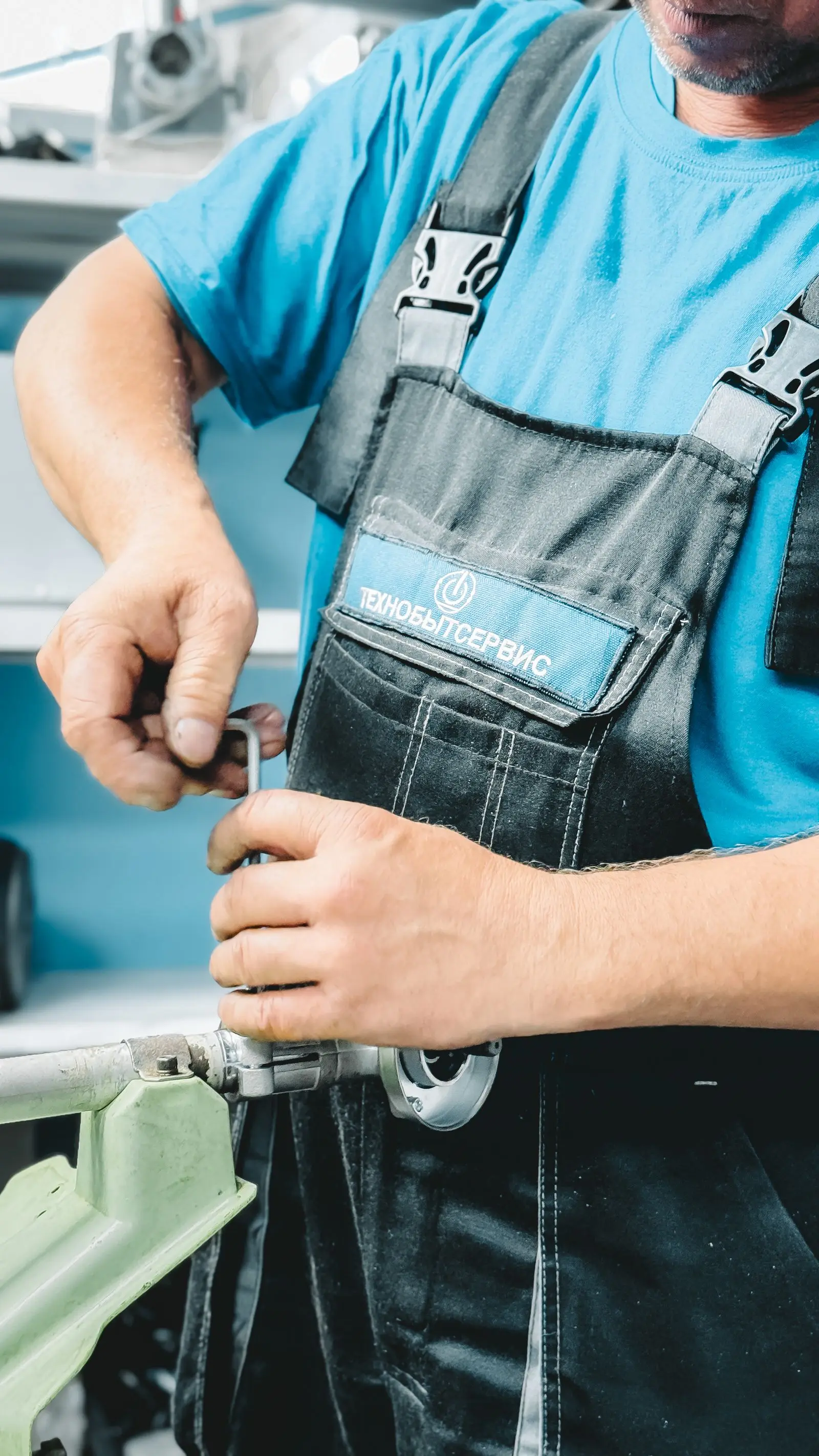
What to do first in a San Antonio plumbing emergency
- Close the main shutoff; on a slab home it is usually where the line enters the house or in the meter box by the street
- If a water softener is installed, put it in bypass when you shut off water, so it is not damaged when the water comes back on
- For a leaking water heater, turn off its power or gas and close the cold supply valve
- In a freeze with no heat, shut off the main and drain the lines from the lowest faucet
- If a pipe bursts in the attic, close the main shutoff. On a slab home it is usually where the line enters the house or in the meter box by the street, and at the SAWS meter box near the curb you lift the lid, clear the dirt, and turn the customer valve a quarter turn clockwise. Turn off power to any wet fixtures below the leak, put buckets under the drip, and open the lowest faucet after shutting off the main so the lines drain. If the meter valve will not close, call SAWS at 210-704-7297, which takes water emergencies around the clock.
- If a water heater in the garage, closet, or attic is leaking, turn off its power or gas and close the cold supply valve on top of the tank. San Antonio heaters sit in garages, closets, and attics where a failed tank soaks drywall unnoticed, and a heater that has been popping is usually full of sediment from the very hard Edwards Aquifer water. Put a bucket under the leak and check that the drain pan line is clear. A tank leaking from its base will keep spreading water until the supply is shut off.
- If sewage is backing up through a floor drain or a toilet, stop using every faucet, toilet, and appliance in the house until the line is cleared. Do not flush to test it, and do not pour drain cleaner into a backed-up line. Homes from the 1950s to the 1970s often have cast iron drains under the slab that crack and back up, so a backup in an older home usually means the line under the slab needs a camera inspection. Keep people and pets out of the water, and photograph the level before you start cleaning.
- If you have no water after a freeze, check whether the neighbors are out too. A whole-street outage points to a SAWS main break or a system problem, and SAWS takes water emergencies at 210-704-7297 around the clock. If only your house is dry, an attic or exterior-wall pipe may be frozen, and a plumber who thaws pipes should be called before you try to force the line open with heat. Check whether a boil-water notice is in effect before using tap water for drinking or cooking.
- If a pipe is frozen but has not split, warm the area with a hair dryer or warm towels and open the faucet it feeds so water can move as the ice melts. Never thaw a pipe with an open flame or a torch, and never hold a heat gun in one spot. San Antonio pipes freeze most often in attics, exterior walls, and unheated garages, because hard freezes are rare and those runs are often uninsulated. If you cannot find the frozen section, call a plumber before the thaw turns into a leak.
- If you suspect a slab leak, shut off the main valve and check the water meter. A meter that keeps spinning with every fixture off means water is escaping somewhere, often under the slab. Warm spots on the floor, a damp patch on tile or hardwood, and a water bill that jumps without explanation are the other signs. A leaking drain under the slab changes soil moisture under the house, so a slab leak should be found and fixed before any foundation work begins, and a plumber can locate it with acoustic equipment or a camera.
- If you smell gas, leave the building at once and call CPS Energy or 911 from outside. Do not flip light switches, use a phone inside, or try to shut off the gas yourself. Gas has a rotten-egg odor added so it can be detected, and even a faint smell means getting out and calling from a safe distance. If the smell is outside on the street, call from a neighbor house or from down the block.
- If a water softener is leaking, put it in bypass and shut off the water to it. The bypass valve stops water flowing through the softener, and the house can then have water back while the softener is repaired. A softener that is overflowing from the brine tank usually has a stuck float or a clogged drain line, and a softener that leaks at the connections needs the fittings tightened or replaced. San Antonio water is very hard, so many homes have softeners, and a leaking one can flood a garage or utility closet fast.
- If an air conditioner condensate line overflows in the attic, shut off the air conditioner and find the drain. San Antonio attics run hot, the cooling system runs most of the year, and a clogged condensate drain will overflow the pan and soak the ceiling below. A wet ceiling stain that appears in summer is often a condensate problem, not a pipe leak. Clear the drain line, check that the pan has a working overflow shutoff, and call a plumber or an air conditioning technician if the line is blocked inside the wall.
Plumbing emergencies that are common in San Antonio
Water from the Edwards Aquifer is very hard. Sediment fills tank bottoms, and a heater that has been popping or losing hot water is the one most likely to fail and leak. Homes from the 1950s to 1970s often have cast-iron drains under the slab that crack and back up.
Hard freezes are rare, so attic and exterior-wall pipes are often uninsulated. The February 2021 winter storm caused widespread burst pipes here.
Winter Storm Uri in February 2021 is the freeze San Antonio homeowners measure everything against. The storm left nearly half the city without power and nearly a third without water, and the San Antonio Water System issued a citywide boil-water notice on February 17 that stayed until water quality sampling cleared it. Homes built for heat run pipes through attics, exterior walls, and unheated garages, and those lines split when a hard freeze arrives. The recovery showed how many homes had no idea where their main shutoff was, and the first lesson of the storm is still the same: find the shutoff at the meter box and make sure the customer valve turns before you need it.
The Community Pipe Repair fund, known as CPR, was the San Antonio Water System answer to the February 2021 freeze. The fund pays for emergency water pipe repair in SAWS residential customers homes, is hosted by the San Antonio Area Foundation, and was launched with 275,000 dollars, including 250,000 dollars from the Spurs and 25,000 dollars from Wells Fargo. The program is open to homeowners and renters, prioritizes repairs that risk harm to the life, health, or safety of the building occupants, and sends a plumber free of charge to restore water to toilets, faucets, bathtubs, and showers. It continues until all funds are exhausted, and applications go through SAWS.
Hard water is the slow San Antonio emergency. The San Antonio Water System puts the typical hardness of the water it provides at 15 to 20 grains per gallon, and the hardness comes from calcium carbonate found naturally in water from the Edwards and the Trinity Aquifers. That hardness builds scale in pipes, coats fixtures, and fills the bottom of tank water heaters with sediment. A heater that pops or rumbles is working through a layer of sediment, and a heater that loses hot water fast is usually full of it. Flushing sediment from the tank once a year, and descaling a tankless unit on schedule, are the habits that keep a hard-water heater from failing and leaking.
Cast iron drains under the slab are a San Antonio pattern in homes from the 1950s to the 1970s. The pipes crack with age and with soil movement, and a cracked drain under the slab backs up into the lowest fixture in the house, usually a floor drain or a shower. The signs are a drain that keeps slowing down after every cleaning, a damp patch on the floor, and a musty smell that will not go away. A camera inspection shows whether the line is cracked, bellied, or collapsed, and a trenchless liner or a spot repair can fix a bad section without breaking up the whole slab.
Attic pipes are the San Antonio freeze risk that surprises newcomers. Because hard freezes are rare, attic and exterior-wall pipes are often uninsulated, and a hard freeze that lasts a night can split a line that has survived for years. The split often does not leak until the thaw, so the damage is discovered a day or two after the coldest night, when water is already running through the ceiling below. The average first freeze arrives around November 30, and the city sees roughly 15 freezes in a typical winter, so the preparation window is the fall: insulate exposed runs, disconnect hoses, and know where the main shutoff is.
Water heaters in San Antonio garages, closets, and attics fail in a pattern. A heater that has been popping or losing hot water is usually full of sediment from the very hard water, and the tank bottom is the part that rusts through first. A heater in a garage can leak for days under boxes and tools before anyone notices, and a heater in an attic soaks the ceiling below. A drain pan with a working drain line, a water alarm on the floor, and a monthly look at the base of the tank are the cheap protections, and a tank that is popping should be flushed before it fails.
Sewer backups from tree roots are a San Antonio constant in older neighborhoods. Mature live oaks and other large trees send roots toward the moisture in a sewer lateral, and a clay or cast iron lateral with a small crack is an open invitation. The signs are more than one drain backing up at once, gurgling toilets, and a drain that slows down every few months. A camera inspection shows the extent of the problem, and a regular cleaning schedule keeps a root-filled line working until it can be replaced. Neighborhoods with older homes and large trees are the most likely to have root problems.
Water main breaks in San Antonio streets are a freeze event, and they matter to homeowners even though SAWS owns the main. A break can drop pressure across a neighborhood, stir up sediment that clogs aerators and appliance filters, and leave a whole block without water. During the February 2021 storm, main breaks and burst service lines across the city were part of why nearly a third of the city lost water. If the street outside your house is flooding from a crack in the pavement, or your water turns brown and the neighbors have the same problem, call SAWS at 210-704-7297 and do not try to shut anything off at the street yourself.
Outdoor hose bibs freeze in San Antonio because hard freezes are rare and the protection is often skipped. A hose left attached through the first freeze traps water in the pipe, and the split usually happens inside the wall where it cannot be seen until spring. Frost-free sillcocks help only if the hose is disconnected so the valve can drain. Disconnecting hoses in the fall, shutting off the inside valve that feeds each bib, and opening the outside bib to drain are the whole routine, and it takes ten minutes.
Irrigation backflow preventers are a San Antonio freeze item that owners forget. Many homes run large irrigation systems through the dry summer, and the backflow preventer that protects the drinking water sits above ground where a sudden temperature drop can split it. A split preventer can spray water against the house all night before anyone notices. Draining the system and shutting off the irrigation supply before the first hard freeze, and closing the irrigation shutoff inside the house at the first sign of a leak, are the two habits that prevent the worst damage.
Low water pressure across a whole San Antonio house usually means scale buildup, not a problem with the city main. Very hard water coats the inside of pipes and fixtures with mineral scale over years, and the pressure drop is gradual, so owners get used to it. The first clear sign is often a shower that is weak while the kitchen sink is fine, or a faucet aerator that keeps clogging with white flakes. Cleaning aerators and showerheads helps, but a whole-house pressure problem needs a plumber to check the lines and the pressure reducing valve at the service entry.
A water softener is standard equipment in many San Antonio homes, and it has its own emergency pattern. The softener removes calcium and magnesium before the water reaches pipes and appliances, which protects heaters and fixtures from scale. A softener that overflows from the brine tank usually has a stuck float or a clogged drain line, and a softener that leaks at the connections needs the fittings tightened or replaced. Putting the softener in bypass stops the water flow through it, so the house can have water back while the softener is repaired.
Kitchen grease is the quiet killer of old San Antonio cast iron drains. Grease poured down a sink hardens in the line, and in a cold slab it sets up fast, narrowing a pipe that is already rough with corrosion. A garbage disposal does not solve a grease problem; it pushes the grease further down the line. Wiping pans before washing and never pouring grease down the drain are the two habits that matter, and a slow kitchen drain should be snaked and flushed before it becomes a full backup on a holiday evening.
Toilet and sink backups in San Antonio that affect more than one fixture at once mean the main drain or the lateral is blocked, not a single trap. A backup that affects one fixture is usually that fixture, but a backup that affects every fixture on one floor means the shared drain is blocked. Stop using water in the whole house, not just the affected room, because every flush adds to the backup. A plumber will usually clear the line from the cleanout outside, and a camera inspection after the cleaning shows whether roots or a cracked section caused it.
Flash flooding is a San Antonio risk that turns into a plumbing call. Heavy rain can flood low-lying streets and yards fast, and the water pushes against foundation walls and into basements and ground-floor rooms. A sump pump that sat idle through a dry summer is the one that fails in the first big storm, so testing it before the rainy season by pouring a bucket of water into the pit matters. A backwater valve stops a surcharging sewer from pushing water back through floor drains, and keeping gutters and downspouts clear keeps roof water away from the foundation.
A camera inspection before buying a San Antonio house is worth more than a general home inspection for plumbing. The sewer lateral and the drain lines under the slab are hidden, and a cracked or root-filled lateral can cost thousands to replace. A licensed plumber can run a camera from the cleanout to the street main and show the buyer the condition of the pipe on video. A house with original cast iron drains under the slab and a lateral nobody has ever looked at is a much riskier buy than one where the plumbing has already been updated.
Slab leaks in San Antonio are easy to miss because the water has nowhere visible to go. A supply line leaking under the slab soaks the soil and the flooring above it, and the signs are a warm spot on the floor, a damp patch on tile or hardwood, a water bill that jumps without explanation, and a meter that keeps spinning with every fixture off. A leaking drain under the slab changes soil moisture under the house, which matters for the foundation. A plumber can locate a slab leak with acoustic equipment, a camera, or a pressure test without breaking up the whole floor.
Condominiums and townhomes in San Antonio add a shared-plumbing question to every emergency. A leak in a unit above can damage the unit below, and the building shutoff may be in a common area rather than inside the unit. Knowing where the building main shutoff is, and who to call in the homeowners association, saves an hour when water is running through a ceiling. Owners should keep the association emergency number with the plumber number, because the first call after shutting off the water is often to the neighbor upstairs.
Tankless water heaters are popular in San Antonio remodels, and they need regular descaling because the water is so hard. The units heat water on demand through a small exchanger, and mineral scale coats that exchanger fast at 15 to 20 grains per gallon, so a scaled unit overheats, throws an error code, and stops producing hot water. A tankless unit that stops working is usually a scale problem, not a dead heater. Annual descaling keeps the unit running, and a freeze protection check matters for units in garages or on outside walls during the few hard freezes each winter.
A leaking washing machine hose is one of the most common San Antonio water damage calls, and it has nothing to do with the city water. Rubber supply hoses degrade over time and can burst without warning, flooding a laundry room and anything nearby. Replacing rubber hoses with braided stainless steel versions is cheap insurance, and turning off the laundry shutoff valves when the machine is not running is the habit that prevents a burst while the house is empty. A laundry room on the second floor is the worst place for a burst hose, because the water runs straight through the ceiling below.
Licensing and permits in San Antonio
Plumbers in Texas are licensed by the Texas State Board of Plumbing Examiners. In San Antonio, plumbing permits are issued by the city's Development Services Department; nearby cities such as Alamo Heights and Schertz issue their own.
Keystream Plumbing is a referral service. We do not perform plumbing work or hold a contractor license. The independent plumber you are connected with is responsible for licensing, permits and the work itself.
What happens when you call
The steps are the same in San Antonio as anywhere; same-day service is often available; call to check timing.
- Triage by phone. You describe the problem and the plumber walks you through shutting off water, gas or power if needed, and confirms an arrival window.
- Stop the water. On site, the plumber isolates the failed section so the rest of the house can have water back as soon as possible.
- Repair or make safe. Most failures are fixed on the first visit. If a part must be ordered, the plumber caps or bypasses the line so the home is usable.
- Explain what failed. You get the cause, the options for a permanent fix, and photos if you need them for insurance.
Emergency plumbing questions from San Antonio
What should I do if a pipe bursts in my San Antonio attic?
Shut off the main water valve, turn off power to light fixtures and fans below the leak, and open the lowest faucet to drain the lines. Then call a licensed plumber and photograph the damage for your insurer.
Is a leaking water heater an emergency in San Antonio?
Yes, once water is on the floor. Turn off the power or gas, close the cold water valve and call a plumber. With water this hard, a tank leak almost always means replacement.
What is the SAWS Community Pipe Repair program?
The Community Pipe Repair fund, known as CPR, pays for emergency water pipe repair in San Antonio Water System residential customers homes. It was launched after the February 2021 winter storm, is hosted by the San Antonio Area Foundation, and started with 275,000 dollars, including 250,000 dollars from the Spurs and 25,000 dollars from Wells Fargo. The program is open to homeowners and renters, prioritizes repairs that risk harm to the life, health, or safety of the building occupants, and sends a plumber free of charge to restore water to toilets, faucets, bathtubs, and showers.
How hard is San Antonio water and why does it matter?
The San Antonio Water System puts the typical hardness of the water it provides at 15 to 20 grains per gallon, and the hardness comes from calcium carbonate found naturally in water from the Edwards and the Trinity Aquifers. That hardness builds scale in pipes, coats fixtures, and fills the bottom of tank water heaters with sediment. A heater that pops or rumbles is working through a layer of sediment, and a heater that loses hot water fast is usually full of it. Flushing sediment from the tank once a year and descaling a tankless unit on schedule keep hard-water heaters from failing.
Where is my San Antonio main water shutoff?
On a slab home it is usually where the line enters the house or in the meter box by the street. At the SAWS meter box near the curb, lift the lid, clear the dirt, and turn the customer valve a quarter turn clockwise. Find the shutoff and make sure the valve turns before you need it, because the February 2021 storm showed how many homes had a shutoff nobody could find or turn. If the meter valve will not close, call SAWS at 210-704-7297, which takes water emergencies around the clock.
What should I do if my San Antonio pipes freeze?
Shut off the main valve and drain the lines from the lowest faucet, then warm the frozen section with a hair dryer or warm towels and open the faucet it feeds so water can move as the ice melts. Never thaw a pipe with an open flame or a torch. San Antonio pipes freeze most often in attics, exterior walls, and unheated garages, because hard freezes are rare and those runs are often uninsulated. The average first freeze arrives around November 30, so insulating exposed runs in the fall is the preparation that matters.
Is a slab leak common in San Antonio?
Yes, especially in homes from the 1950s to the 1970s with cast iron drains under the slab, and in any home where a supply line runs under the concrete. The signs are a warm spot on the floor, a damp patch on tile or hardwood, a water bill that jumps without explanation, and a meter that keeps spinning with every fixture off. A leaking drain under the slab changes soil moisture under the house, so a slab leak should be found and fixed before any foundation work begins. A plumber can locate it with acoustic equipment, a camera, or a pressure test.
Who do I call if a water main breaks on my San Antonio street?
Call the San Antonio Water System at 210-704-7297, which takes water and sewer emergencies around the clock. Do not try to shut anything off at the street yourself. If the break has dropped your water pressure or left you without water, check whether a boil-water notice is in effect before using tap water for drinking or cooking. During the February 2021 storm, SAWS issued a citywide boil-water notice that stayed until water quality sampling cleared it.
Why does my San Antonio water heater keep losing hot water?
It is usually sediment. San Antonio water runs 15 to 20 grains per gallon of hardness, and the minerals settle at the bottom of a tank water heater, forming a layer between the water and the heating element. The heater then works harder for the same result, pops or rumbles, and runs out of hot water fast. Flushing sediment from the tank once a year extends the life of the heater, and a tankless unit needs descaling on schedule for the same reason. A heater that is popping should be flushed before it fails and leaks.
What should I do if sewage backs up in my San Antonio home?
Stop using every faucet, toilet, and appliance in the house until the line is cleared, because every flush adds to the backup. Do not pour drain cleaner into a backed-up line. Homes from the 1950s to the 1970s often have cast iron drains under the slab that crack and back up, so a backup in an older home usually means the line under the slab needs a camera inspection. Keep people and pets out of the water, photograph the level before cleanup, and call a licensed plumber. In Texas, plumbing repairs must be done by a plumber licensed by the Texas State Board of Plumbing Examiners.
Sources
- Water quality and water sources, San Antonio Water System
- License search and consumer information, Texas State Board of Plumbing Examiners
- Hardness of water, US Geological Survey
- Helping Neighbors in Need - SAWS Uplift, San Antonio Water System
- Water Affordability Case Study: San Antonio Water System - SAWS Uplift, US Environmental Protection Agency
- Drought Restrictions, Edwards Aquifer Authority
- San Antonio Water Hardness (SAWS) and Choosing a Water Softener, Texas Soft Water Guide
- San Antonio TX Water Hardness, Hard Water HQ
- Should I Put a Soaker Hose Around My Foundation?, MotMot Foundation Repair
- Texas Water Restrictions 2026 - Watering Guide, Lawn by Season
- San Antonio Water System, Texas, National Ground Water Association
- About This Project - Vista Ridge Pipeline, San Antonio Water System
- Where Does San Antonio Get Its Water?, Municipal Sewer and Water
- Diversifying Water Portfolios, Texas Water Resources Institute
- Aquifer Storage and Recovery, San Antonio Water System
- Is Your Water Safe? Understanding San Antonio Water Quality and Filtration, Bluebonnet Plumbing
- Winter Storm Uri (2021), Evan L. Roy
- Winter Storm Uri After Action Report, Austin Water
- Water Supply Fee Semiannual Report July-December 2019, San Antonio Water System
- San Antonio Water Recycling and the Dos Rios Plant, Next City
- San Antonio Water System Recycled Water, US Environmental Protection Agency
- Leon Creek Wastewater Treatment Plant, Water and Wastewater
- SAWS Clouse WRC Primary and Secondary Expansion, Garver
- Texas TREC Sellers Disclosure Guide, Disclosure Pro
- Sustainable Resource Management in San Antonio, Municipal Water Leader
- An Update on SAWS Wastewater, Texas Association of Clean Water Agencies
- Southwest Bexar Sewer Pipeline, Foster CM Group
- Extensive Infrastructure, San Antonio Water System
- February 13 to 17, 2021 North American Winter Storm, Wikipedia
- New fund pipes in emergency plumbing assistance to San Antonio residents, CultureMap San Antonio
- SAWS Hard Water Help: Water Filtration San Antonio, Water Filtration San Antonio
- Water Damage Restoration in San Antonio, TX, Water Damage Restoration San Antonio
- February 13 to 17, 2021 North American winter storm, Wikipedia
- CPS Energy, CPS Energy
- Relief Funds Available, City of San Antonio District 7
- Texas Commission on Environmental Quality, Texas Commission on Environmental Quality
- Fix a Leak Week, U.S. Environmental Protection Agency
- Frozen Pipes, American Red Cross
- Lead in Drinking Water, U.S. Environmental Protection Agency
Local information reviewed October 1, 2026. Rules and programs change; confirm details with the agency before you rely on them.
More plumbing help in San Antonio
Emergency plumbers in other cities
Plumbing emergency in San Antonio?
Call (833) 520-4758. Same-day service is often available; call to check timing.