
New York City · New York County
Emergency Plumber in New York City, NY
In a New York City apartment, a plumbing emergency is usually a building emergency too: the pipes in the walls and the risers generally belong to the building, so call the super or managing agent as soon as you have stopped what water you can. In a brownstone or row house you own the whole system and the first call is to a Licensed Master Plumber. A New York City plumbing emergency is usually a building emergency, and the first question is always who owns the pipe. In an apartment the risers and the pipes in the walls generally belong to the building, so the super or managing agent is the first call after the water is stopped. In a brownstone or row house the owner carries the whole system, from the water main connection to the roof tank. The city runs its water through the Catskill, Delaware, and Croton watersheds and delivers it through a system so large that a single main break can close a street and cut water to a whole block. Gas adds a second layer: the city has two gas utilities, Con Edison for Manhattan, the Bronx, and parts of Queens, and National Grid for Brooklyn, Staten Island, and parts of Queens, and only a Licensed Master Plumber may repair fuel gas piping. About 60 percent of the city sewer system is combined, carrying sewage and stormwater in the same pipe, so an intense storm can push water back through a basement floor drain even when nothing is wrong with the house line. The September 2021 flooding from the remnants of Hurricane Ida showed what that means for basement apartments and low-lying streets. Knowing the building chain of command, the gas utility for the address, and whether the basement floods only in storms matters more here than the brand of any fixture.
- Independent local pros
- Free referral, no obligation
- You approve the price before work starts
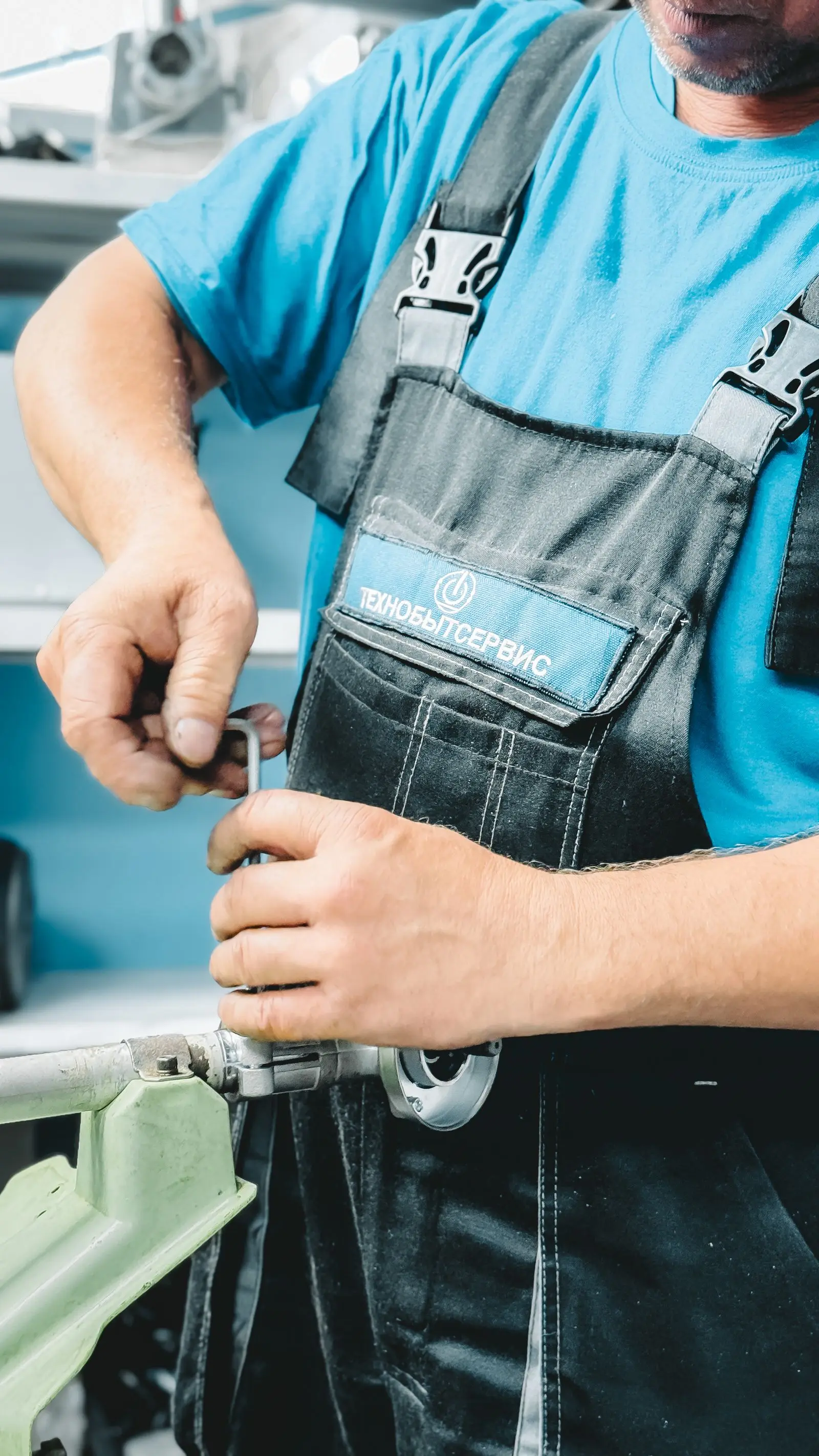
What to do first in a New York City plumbing emergency
- Close the shutoff under the fixture or appliance that is leaking; many apartments have no unit-wide shutoff, so the riser valve may have to be closed by the super
- Tell the super or managing agent right away, and warn the neighbor below if water is coming through the floor
- If you smell gas, leave and call the gas utility from outside; gas service is only restored after a licensed plumber repairs and tests the piping
- Photograph the damage before cleanup for the building and your insurer
- If you smell gas, leave the area immediately and call 911 or your gas utility from outside. Con Edison customers call 1-800-752-6633, and National Grid customers call 718-643-4050. Do not light a match, start a car, or use any electronic appliance that could spark, including telephones, ovens, and flashlights. Do not try to find the leak yourself and do not operate the gas meter valve: only Con Edison or a Licensed Master Plumber should touch it. Con Edison mechanics work around the clock with an average response time of 22 minutes, and they will make the area safe before any repair starts.
- If water is coming through the ceiling from the apartment above, move valuables out of the way and photograph the damage before cleanup starts. Stop the water at the fixture if you can reach it, then call the super or managing agent right away and warn the neighbor below you. Do not cut into the ceiling to find the leak: the pipes in the walls and the risers usually belong to the building, and the building decides who opens them. If the leak is in your own fixture or supply line, the building may still need to approve the plumber and see a certificate of insurance.
- In a brownstone or row house, you own the whole system, so the first move is the main shutoff, usually in the basement or cellar on the front wall where the water line enters. Close it, then call a Licensed Master Plumber: in New York City only a Licensed Master Plumber, or someone working under one, may repair water and gas piping. If the leak is in the sewer service line to the street, the repair needs a permit, and the plumber obtains it. Photograph any damage before cleanup, since the insurer will ask for it.
- If sewage is backing up through a tub, shower, or floor drain, stop using water everywhere in the house. A backup in dry weather points to your own line, while a backup that arrives only during intense rain often points to the public combined sewer surcharging. Report sewer backups and flooding through 311, and call 911 only for an immediate danger to life or property. Do not open a cleanout to relieve the pressure, and do not wade through the backup.
- If a riser or radiator line freezes in a cold snap, keep the heat on and open cabinet doors on outside walls. Cold snaps freeze risers and radiator lines along outside walls and pipes in unheated cellars and vacant units, and a frozen riser can split a whole stack of apartments at once. Tell the super immediately: the building heat is a building problem, and a single cold unit can freeze a riser that serves the whole line. Never use a torch or an open flame on a frozen pipe.
- If a water heater in the basement or cellar is leaking, turn off the power or gas to the heater and close the cold water valve above it. Cellars flood fast in a storm, and water that reaches the electrical panel or an outlet is a second emergency. Do not enter standing water in a cellar if the power is still on. A leak from the tank itself means replacement, while a leak at a fitting or a relief valve may be repairable, and the plumber should check the water pressure at the same time.
- If the basement floods during a storm, do not enter standing water until the power is off and the water has stopped rising. Most of the city is on combined sewers that can surcharge in intense rain and push water back through floor drains, and the water coming up is not clean. Once the storm passes and the water drains away, photograph everything before cleanup and ask a plumber about a backwater valve rather than a sewer replacement. If the flooding keeps returning in dry weather, the problem is in your own line, not the storm.
- If the house suddenly has no water, check with the neighbors and the building first. A street-wide outage points to a city main break, which the Department of Environmental Protection handles, while a single dry building points to a failed main shutoff or a building valve. Report a suspected main break or a loss of water through 311 with the nearest cross street. If the tap water turns brown after nearby street work, run the cold tap briefly and call the plumber if it does not clear.
- If a lead service line is leaking or you suspect the house still has one, report it to the Department of Environmental Protection and ask about the lead service line replacement program. The city has expanded free lead pipe replacement and invested 390 million dollars in infrastructure to replace lead lines and reduce flooding. The DEP service line protection program may cover repairs for enrolled owners. Do not drink from a line that has been disturbed by construction until the water runs clear and the city has confirmed it is safe.
Plumbing emergencies that are common in New York City
Most of the city is on combined sewers, so water rising through a basement floor drain during an intense storm is often the public sewer surcharging, not a blockage in your own line. A backup in dry weather is the one that points to the house sewer, which the owner is responsible for out to the street.
Cold snaps freeze risers and radiator lines that run along outside walls and pipes in unheated cellars and vacant units. Only a Licensed Master Plumber, or someone working under one, may do the repair, so ask for the license number on the call.
Local Law 152 of 2016 requires periodic gas piping inspections by a qualified Licensed Master Plumber on a four-year cycle by community district. One- and two-family homes are generally exempt. The inspection report, called GPS1, is due within 60 days of the inspection, and any required corrections, called GPS2, are due within 120 days, with up to 180 days on extension. Non-compliance can bring a civil penalty of up to 10,000 dollars per building. Community districts 4, 6, 8, 9, and 16 in every borough were due December 31, 2026. A gas emergency that follows a missed inspection is a harder conversation with the insurer, so the inspection belongs on the building calendar, not in a drawer.
A backwater valve is the protection for a basement that floods only during storms. A licensed plumber typically charges 4,000 to 15,000 dollars and takes 2 to 8 hours to install one, depending on access and the depth of the line. About 74,000 properties in the city are at risk when rainfall reaches 1.75 inches per hour, including about 59,000 one- and two-family homes. The Department of Environmental Protection applied for federal funding for a pilot program reimbursing about 124 high-risk one- and two-family homes in five Brooklyn neighborhoods, and FloodHelpNY runs a free residential backwater valve installation program for eligible owners. One warning: if the fixtures keep running while the valve is closed, the basement floods from your own wastewater instead.
Con Edison operates more than 4,300 miles of underground gas pipes in its service territory. The utility checks all of its gas mains about once a month and surveys all streets in its territory once a year, and a mobile leak-detection truck runs 12 additional surveys a year to cover the full system. Outside leaks can be caused by pipe corrosion or cracks from weather or water main breaks, and by accidental damage from excavators or contractors during street work. Indoor leaks come from faulty appliances, leaky fittings, corroded or cracked pipes, or construction. Either way, the utility responds and makes the area safe before any repair starts.
National Grid serves Brooklyn, Staten Island, and parts of Queens, and its gas leak map plots every reported outdoor leak in its territory, updated every 24 hours. The utility classifies leaks by type: Type 1 requires continuous attention until the leak is made safe, with daily inspection until permanent repairs are complete. Type 2A poses no immediate threat, is typically inspected every 14 days, and must be repaired within six months. Type 2 is typically inspected every 60 days and must be repaired within a year. Type 3 poses no hazard, is inspected annually, and needs no repair. If you smell gas in a National Grid area, the number is 718-643-4050, and Con Edison customers should call 1-800-752-6633.
Getting gas turned back on after a shutoff follows a fixed process, and skipping a step delays the restoration. A Licensed Master Plumber does the repair and files an Emergency Work Notification in DOB NOW, which lets the work start before a permit. The notification expires after two full business days, and a Limited Alteration Application must follow. The plumber then gets the required Department of Buildings inspection and sign-off and submits the gas restoration authorization request. Only then does the utility inspect and test before turning the gas back on. Restoring gas for cooking, heat, and hot water counts as emergency work, so a good Licensed Master Plumber can start quickly.
About 60 percent of the city sewer system is combined, carrying sewage and stormwater in the same pipe. In an intense storm the combined flow can exceed capacity and surcharge, pushing water back through basement floor drains across whole neighborhoods. The city has studied the problem since the December 2024 evaluation under Local Law 1 of 2023, and its cloudburst resiliency projects are designed to hold stormwater where it falls instead of sending it all into the combined system. A homeowner cannot fix the combined sewer, but a backwater valve and a sump pump with a battery backup are the two defenses that work while the larger projects are built.
The Department of Environmental Protection runs a lead service line replacement program and has expanded free lead pipe replacement for owners. The city invested 390 million dollars to revamp infrastructure, reduce flooding, and replace lead lines. The DEP service line protection program may cover repairs for enrolled owners, and the property owner is otherwise responsible for the sewer service line to the city main. A lead line that is disturbed by construction or a repair should be reported to the department, and the water should run clear before anyone drinks from it.
Wooden water towers are a New York City signature for a reason. Many older buildings cannot get enough pressure from the street main to reach the top floors, so a pump fills a wooden tank on the roof and gravity feeds the building. The towers are built by hand from wood, and a leak at the roof tank can look like a plumbing emergency on the top floor while the real problem sits above the ceiling. If the top floor loses pressure while the lower floors are fine, the roof tank and its pump are the first things to check, and only a Licensed Master Plumber should work on the lines that feed it.
Call 811 at least two days before any digging project, including a sewer repair that breaks ground in the yard. Con Edison and the other utilities mark the approximate location of their lines at no cost, and a backhoe that hits a gas main turns a plumbing job into an evacuation. The same rule applies to a fence post, a tree, or a new patio: if the work breaks ground, the lines get marked first. A contractor who wants to dig without calling 811 is a contractor to stop.
Public housing has its own reporting chain. New York City Housing Authority residents should report utility failures to the Customer Contact Center at (718) 707-7771, which is available 24 hours a day, seven days a week. The signs of a gas leak are the same everywhere: a distinctive strong odor similar to rotten eggs, and the response is the same too, which is to leave the area and call 911 from a safe place. Do not use spark-producing devices, including phones and flashlights, near a suspected leak.
In a co-op or condominium, a plumbing emergency involves the board as well as the plumber. Shared risers and stacks belong to the building, while fixtures and supply lines inside a unit belong to the owner, and the line between them is in the building documents. A plumber working in a co-op usually needs a certificate of insurance on file with the managing agent before the work starts, and an emergency repair that opens a wall needs the building approval even when the water is already running. Know who the managing agent is and what the alteration rules say before the leak, not during it.
Steam heat is a New York City specialty, and its emergencies look different from hot-water heat. Radiator lines along outside walls can freeze in a cold snap, and a radiator that is cold at the bottom and hot at the top is usually air-bound rather than broken. A steam system that loses water through a leak will keep calling for more, and the boiler can run dry if the leak is not found. A vacant unit with the heat off can freeze a riser that serves the whole line, which is why buildings keep the heat on in empty apartments through the winter.
The remnants of Hurricane Ida in September 2021 showed what a basement apartment faces in a combined sewer city. Intense rain overwhelmed the system and flooded basement apartments and low-lying streets in hours, and the water came up through floor drains as well as through doors and windows. A basement apartment needs a backwater valve, a sump pump with a battery backup, and a plan for getting out if the water rises faster than the pump can move it. No fixture or valve replaces the decision to leave when the water is rising.
Water main breaks are reported to the Department of Environmental Protection, and the city has registered some of its lowest annual break counts since record-keeping began. A break still closes a street and cuts water to a block, and the repair can take a day or more when the main is large. Report a suspected break through 311 with the nearest cross street, and do not drive over a section where the pavement is sinking or cracking: a break in a large main can undermine the roadbed. Inside, a sudden pressure drop or brown tap water after nearby street work is a sign the main was disturbed.
The Gowanus Canal and Newtown Creek are reminders that the city wastewater system is still a work in progress. Both waterways receive combined sewer overflows in heavy rain, and the treatment plants that serve them, including the Newtown Creek Wastewater Treatment Plant, are being upgraded to handle more flow. A homeowner cannot change the canal, but the overflow numbers are the reason the backwater valve and the sump pump matter: every gallon the system cannot carry is a gallon looking for the lowest drain in the neighborhood.
A sewer service line repair in New York City needs a Licensed Master Plumber who obtains the permits. The property owner owns and repairs the sewer service line to the city main, and the plumber files for the work and schedules the inspection. The DEP service line protection program may cover repairs for enrolled owners. A camera inspection before any repair shows whether the defect is a root mass, a broken clay joint, or a collapsed section, and the repair quote should be based on that picture rather than on a guess from the cleanout.
Photograph everything before cleanup starts. A leak that soaks a ceiling, a basement that floods in a storm, and a gas shutoff that leaves a building without heat are all insurance events, and the insurer will ask for pictures of the failed pipe, the water line on the wall, and the damaged rooms. The plumber fixes the pipe, but the photographs are what turn a repair bill into a claim. Keep the pictures with the plumber invoice and the building incident report in one place.
An emergency plumber visit in New York City goes faster when the caller can answer three questions: who owns the pipe, which gas utility serves the address, and where is the shutoff. A riser leak in an apartment is a building job, a brownstone leak is an owner job, and a gas leak is a utility job first and a plumber job second. Write down the super number, the managing agent number, the gas utility number for the borough, and the shutoff location, and keep them where every adult in the household can find them.
Licensing and permits in New York City
Plumbing and gas work in New York City must be performed by a Licensed Master Plumber or by people working under one, and most work beyond minor repairs needs a permit from the Department of Buildings. You can look up a plumber's license on the Department of Buildings website before work starts.
Keystream Plumbing is a referral service. We do not perform plumbing work or hold a contractor license. The independent plumber you are connected with is responsible for licensing, permits and the work itself.
What happens when you call
The steps are the same in New York City as anywhere; same-day service is often available; call to check timing.
- Triage by phone. You describe the problem and the plumber walks you through shutting off water, gas or power if needed, and confirms an arrival window.
- Stop the water. On site, the plumber isolates the failed section so the rest of the house can have water back as soon as possible.
- Repair or make safe. Most failures are fixed on the first visit. If a part must be ordered, the plumber caps or bypasses the line so the home is usable.
- Explain what failed. You get the cause, the options for a permanent fix, and photos if you need them for insurance.
Emergency plumbing questions from New York City
Who do I call first for a leak in my New York City apartment?
Stop the water at the fixture if you can, then call the super or managing agent, since the pipes in the walls and the risers usually belong to the building. If the leak is in your own fixture or supply line, the building may still need to approve the plumber and see a certificate of insurance.
Why did my New York City basement flood only during the storm?
Most of the city is on combined sewers that can surcharge in intense rain and push water back through floor drains. If it drains away afterward and never happens in dry weather, ask a plumber about a backwater valve rather than a sewer replacement.
Who do I call if I smell gas in New York City?
Leave the area immediately and call 911 or your gas utility from outside. Con Edison serves Manhattan, the Bronx, and parts of Queens at 1-800-752-6633, and National Grid serves Brooklyn, Staten Island, and parts of Queens at 718-643-4050. Queens is split between both utilities, so check a recent gas bill if you are not sure, or just call 911 and the dispatcher will route you. Do not light a match, use a phone, or flip a switch inside, and do not operate the gas meter valve yourself.
What is Local Law 152 and does it affect my building?
Local Law 152 of 2016 requires periodic gas piping inspections by a qualified Licensed Master Plumber on a four-year cycle by community district. One- and two-family homes are generally exempt. The inspection report is due within 60 days, and any required corrections are due within 120 days, with up to 180 days on extension. Non-compliance can bring a civil penalty of up to 10,000 dollars per building. Community districts 4, 6, 8, 9, and 16 in every borough were due December 31, 2026.
How much does a backwater valve cost in New York City?
A licensed plumber typically charges 4,000 to 15,000 dollars and takes 2 to 8 hours to install a backwater valve, depending on access and the depth of the line. About 74,000 properties in the city are at risk when rainfall reaches 1.75 inches per hour, including about 59,000 one- and two-family homes. The Department of Environmental Protection applied for federal funding for a pilot program reimbursing about 124 high-risk one- and two-family homes in five Brooklyn neighborhoods, and FloodHelpNY runs a free installation program for eligible owners.
Who owns the sewer line from my house to the street in New York City?
The property owner owns and repairs the sewer service line to the city main, and the repair needs a Licensed Master Plumber who obtains the permits. The DEP service line protection program may cover repairs for enrolled owners. A camera inspection before any repair shows whether the defect is a root mass, a broken clay joint, or a collapsed section. Report a suspected problem with the public main through 311, since the city owns only the main itself.
What should I do if my basement floods during a storm?
Do not enter standing water until the power is off and the water has stopped rising, since the water coming up through a floor drain is not clean and the basement may have live electrical equipment in it. Once the storm passes and the water drains away, photograph everything before cleanup and ask a plumber about a backwater valve rather than a sewer replacement. If the flooding keeps returning in dry weather, the problem is in your own line, not the storm.
How does gas get turned back on after a shutoff in New York City?
A Licensed Master Plumber does the repair and files an Emergency Work Notification in DOB NOW, which lets the work start before a permit. The notification expires after two full business days, and a Limited Alteration Application must follow. The plumber then gets the required Department of Buildings inspection and sign-off and submits the gas restoration authorization request. Only then does the utility inspect and test before turning the gas back on. Restoring gas for cooking, heat, and hot water counts as emergency work.
What is a lead service line and should I worry about it?
A lead service line is the pipe that connects a house to the city water main, and older lines were made of lead. The Department of Environmental Protection runs a lead service line replacement program and has expanded free lead pipe replacement, and the city invested 390 million dollars in infrastructure to replace lead lines and reduce flooding. The DEP service line protection program may cover repairs for enrolled owners. Report a suspected lead line to the department and let the water run clear after any construction disturbs it.
Why do New York City buildings have wooden water towers?
Many older buildings cannot get enough pressure from the street main to reach the top floors, so a pump fills a wooden tank on the roof and gravity feeds the building. The towers are built by hand from wood and have been part of the city skyline for more than a century. If the top floor loses pressure while the lower floors are fine, the roof tank and its pump are the first things to check, and only a Licensed Master Plumber should work on the lines that feed it.
Sources
- Water supply and lead in household plumbing, NYC Department of Environmental Protection
- Licensing and permit information, NYC Department of Buildings
- Lead service lines, US Environmental Protection Agency
- Local Law 152: Gas Inspection Requirements, Deadlines and Penalties, LegalClarity
- NYC Local Law 152 Gas Piping Inspection Guide, Zhuoyue NYC
- Local Law 152, Keep My Gas NYC
- Natural Gas Explosion, East Harlem, March 12, 2014, National Transportation Safety Board
- Natural Gas Explosion in NYC Injures 19, Ronvil
- Beneath Cities, a Decaying Tangle of Gas Pipes, Governing
- Exhibit 823: Con Edison Gas Distribution System, Case 13-G-0031, New York State Department of Public Service
- Con Edison Installs Over 65 Miles of New Gas Main in 2008, Unitracc
- What to Do If You Smell Gas, NYC 311
- DEP expands free lead pipe replacement program, NYC Department of Environmental Protection
- Lead Service Line Replacement Program, NYC311
- Mayor Management Report 2026, Department of Environmental Protection, NYC Mayor Office of Operations
- New York City registers fewest water main breaks since record-keeping began, NYC Department of Environmental Protection
- Information statement about water main breaks, NYC Department of Environmental Protection
- Ebb and Flow, tapping into the history of New York City water, NYC Department of Records and Information Services
- DEP to develop new contract for final connection of Delaware Aqueduct Bypass Tunnel, NYC Department of Environmental Protection
- Delaware Aqueduct shutdown fact sheet, NYC Department of Environmental Protection
- Nearly four miles of water mains upgraded in Forest Hills, Rego Park, NYC Department of Environmental Protection
- Fewest water main breaks in over a decade, NYC Department of Environmental Protection
- Catskill Aqueduct, Wikipedia
- Croton Water Filtration Plant Activated, NYC Department of Environmental Protection
- Combined Sewer Overflows, NYC Department of Environmental Protection
- Sewer System, NYC Department of Environmental Protection
- New York City CSO Program, New York State Department of Environmental Conservation
- NYC CDBG-DR Draft Action Plan Post-Tropical Cyclone Ida, City of New York
- Increasing extreme hourly precipitation risk for New York City after Hurricane Ida, Scientific Reports
- Gowanus Canal, NYC Department of Environmental Protection
- Sewer Connections, NYC Department of Environmental Protection
- House Connections, NYC Department of Buildings
- CSO Long Term Control Plan, Citywide and Open Waters, Bronx Council for Environmental Quality
- North River Wastewater Treatment Plant, NYC Department of Environmental Protection
- DEP Installs Odor Control and Air Monitoring Systems, NYC Department of Environmental Protection
- DEP Celebrates Lighting of Newtown Creek Digester Eggs Landmark, NYC Department of Environmental Protection
- Newtown Creek Wastewater Treatment Plant, Wikipedia
- The Bluebelt Program, NYC Department of Environmental Protection
- Bluebelt, Wikipedia
- Cloudburst Management, NYC Department of Environmental Protection
- Mayor Adams Announces Construction of New Cloudburst Resiliency Projects, City of New York
- New York City Lead Service Line Replacement Plan 2025, NYC Department of Environmental Protection
- Lead Service Line Replacement, NYC Department of Environmental Protection
- Drinking Water, NYC Department of Environmental Protection
- Project requirements, 1- and 2-family mixed use alterations, allowable work without a registered design professional, NYC Department of Buildings
- Mayor Adams invests 390 million dollars to revamp infrastructure, reduce flooding, and replace lead service lines in Bushwick, NYC Mayors Office
- Who builds New York wooden water tanks in 2026, New York City Breaks
- Why do NYC buildings have water towers?, EngineerFix
- New York water towers, Gate B12
- Report an issue, NYC Department of Environmental Protection
- Backwater Valve NYC, GlobePro Restoration
- Local Law 152 Gas Inspection Guide, BF Mechanical
- Gas Leak: Frequently Asked Questions, Con Edison
- Gas Leak Map, National Grid
- Gas Leak Emergency in NYC: Step-by-Step Safety Guide, Plumbing NYC
- Gas Leak Repair NYC: Signs and Safety Guide, Karl's Plumbing
- Utility Failures, New York City Housing Authority
Local information reviewed October 1, 2026. Rules and programs change; confirm details with the agency before you rely on them.
More plumbing help in New York City
Emergency plumbers in other cities
Plumbing emergency in New York City?
Call (833) 520-4758. Same-day service is often available; call to check timing.