Seasonal
How to Prevent Frozen Pipes in Winter
Updated · By the Keystream Plumbing editorial team
Before winter
Most freeze damage is preventable with a weekend of prep in the fall.
- Disconnect garden hoses and shut off and drain outdoor faucets from inside where possible
- Insulate pipes in crawl spaces, garages, attics and exterior walls with foam sleeves
- Seal gaps where pipes pass through exterior walls
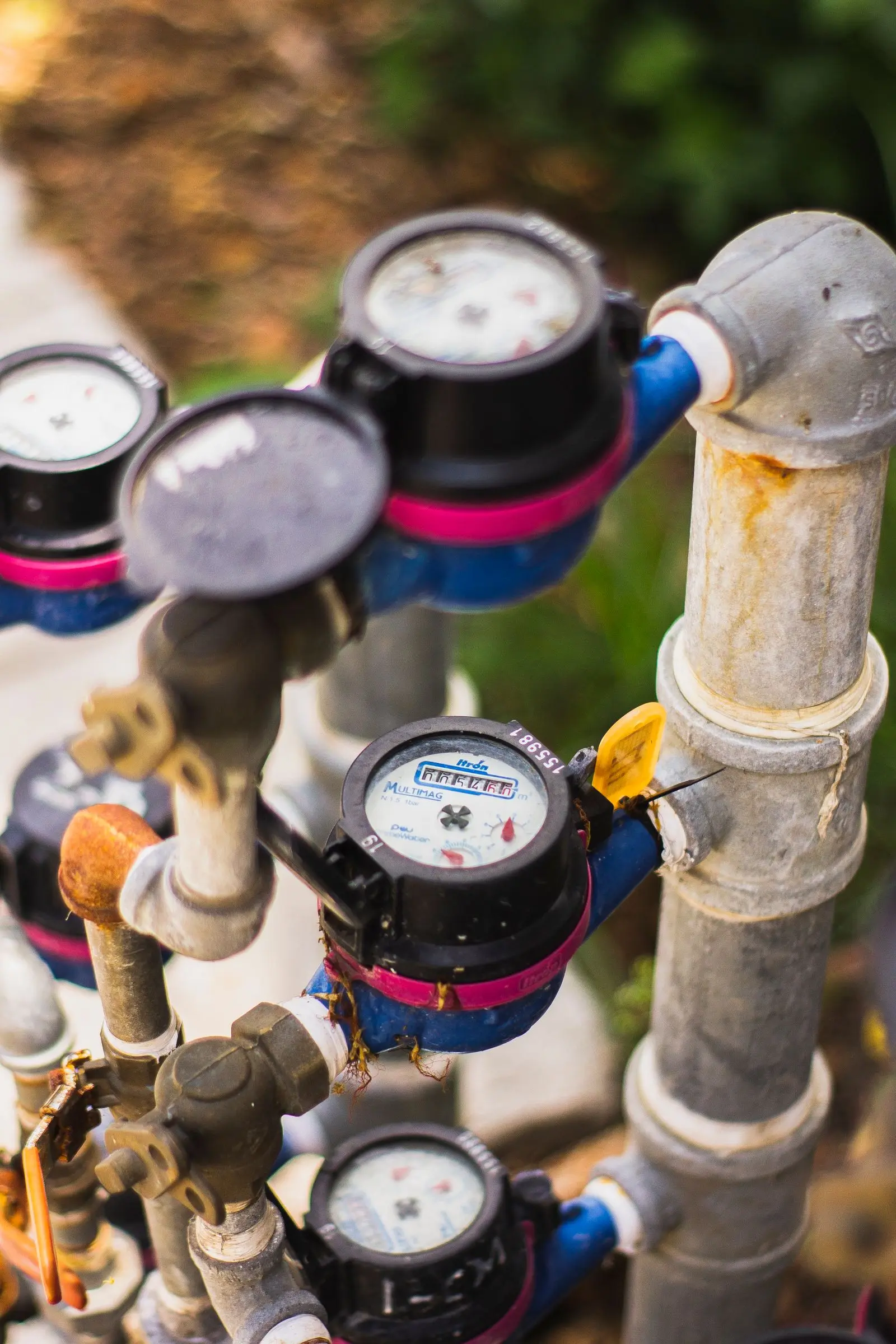
- Know where your main shutoff valve is
- Drain and blow out irrigation systems
During a cold snap
Keep the thermostat at 55°F or higher, day and night, even if you're away. Open kitchen and bathroom cabinets on exterior walls so warm air reaches the pipes. Let a thin stream drip from faucets on outside walls; moving water is much less likely to freeze.
In the South, where hard freezes are rare, homes often have unprotected pipes in attics and exterior walls. These are the first to go when a rare freeze arrives.
If a pipe freezes
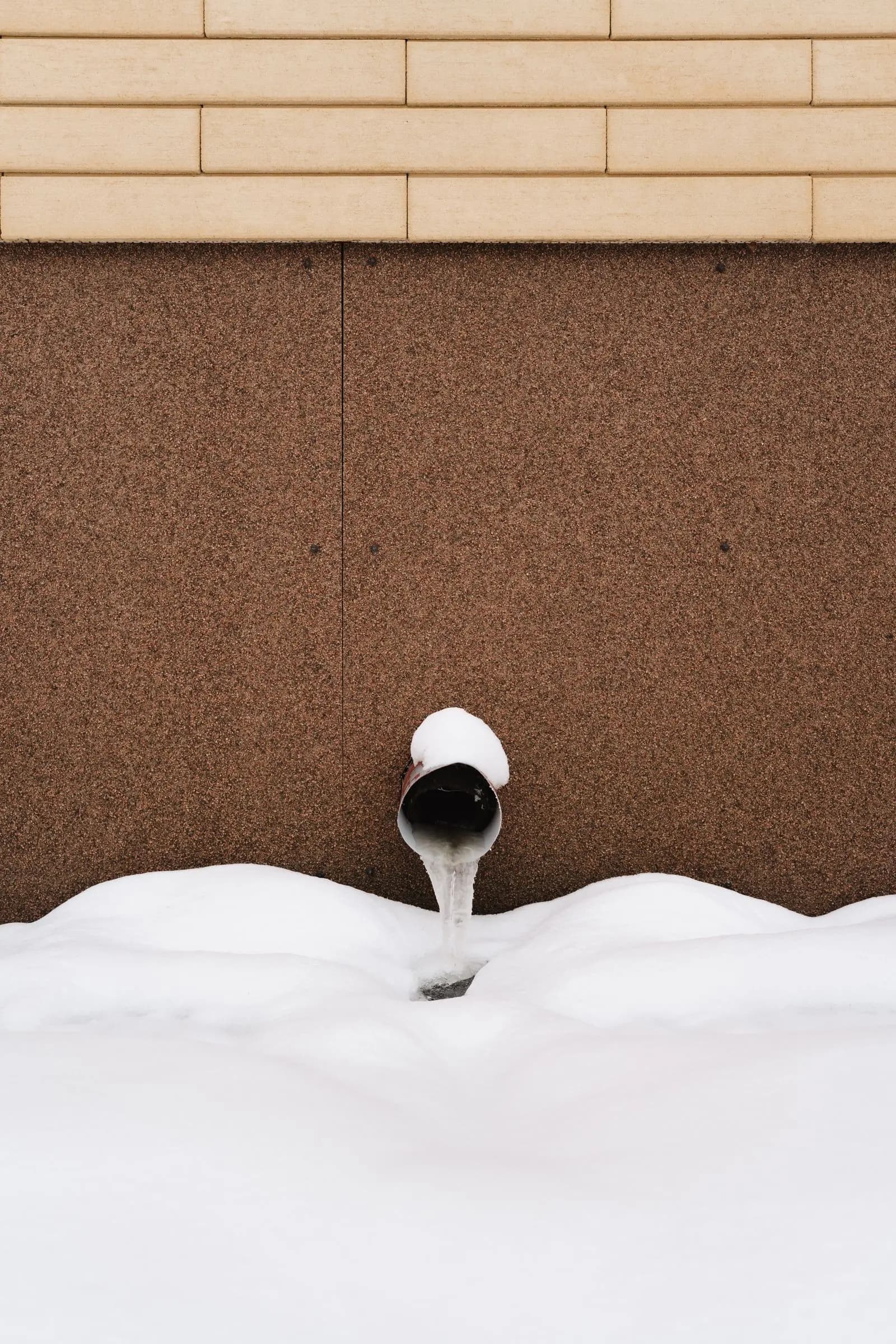
If a faucet only trickles, a pipe is probably frozen. Shut off the main water before it thaws, open the faucet, and warm the pipe with a hair dryer or space heater at a safe distance. Never use a torch or open flame.
If you find a split, keep the water off and call for burst pipe repair.
Vacant and vacation homes
Pipes in empty homes freeze and leak unnoticed for days. Keep heat on, shut off the main water, and consider draining the lines and adding a smart leak or temperature sensor.
Frequently asked questions
What temperature should I keep my house to prevent frozen pipes?
At least 55°F, including when you're away. Rooms with exposed pipes may need more heat.
Does dripping faucets really prevent freezing?
Yes. A slow drip relieves pressure and keeps water moving, which lowers the chance of a pipe freezing and bursting.
How long does it take for pipes to freeze?
Exposed pipes can freeze within a few hours when temperatures fall to about 20°F or lower, faster in wind.
Editorial note: This guide is general information for homeowners, not a substitute for an on-site assessment. Local codes and conditions vary; a licensed pro can confirm what applies to your home.