Emergencies
Gas Smell Near the Water Heater: What to Do
Updated · By the Keystream Plumbing editorial team · How we research
Leave first, call from outside
Natural gas and propane have an added odorant that smells like rotten eggs so leaks can be noticed. Any spark, including a light switch, a doorbell or a phone, can ignite gas that has built up. Get everyone out, leave the door open behind you, and call from a safe distance. Gas utilities respond to odor calls as emergencies.
Why the area around a water heater can smell
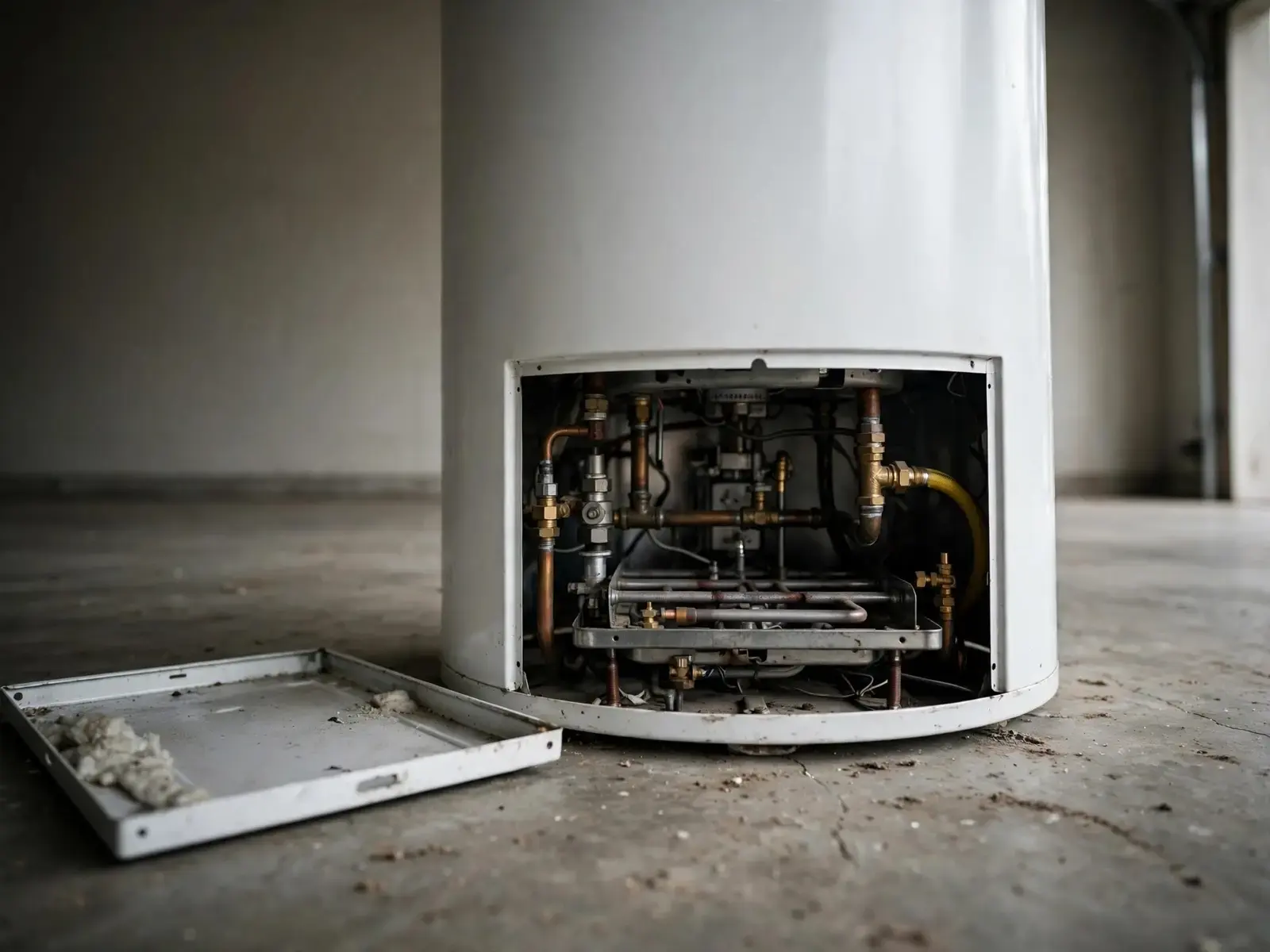
Common sources near a gas water heater are a loose or corroded flexible connector, a leaking shutoff valve, a failed gas control valve, or a pilot that went out and let a small amount of gas escape before the safety shut it off. A burner that is not burning cleanly or a blocked vent can also produce a sharp exhaust smell, which is a carbon monoxide risk rather than a leak.
What happens next
The utility checks for gas and may shut off and lock the meter or the appliance. Service is not restored until the leak is repaired and the piping passes a pressure test. A licensed plumber or gas fitter does that repair; see gas line repair.
Rotten egg smell in hot water is different
A sulfur smell that comes from the hot water itself, not the air around the heater, is usually a reaction between bacteria and the tank's anode rod. It is not a gas leak. Our water heater guides explain the fix.
Carbon monoxide
Every home with gas appliances should have working carbon monoxide alarms near sleeping areas. If a CO alarm sounds, get out and call 911. Headaches, dizziness and nausea that improve when you leave the house are warning signs too.
Frequently asked questions
Is a faint gas smell near the water heater normal?
No. Any gas smell should be treated as a leak until the utility says otherwise. Leave and call from outside.
Can I relight my water heater after a gas smell?
Not until the utility or a licensed pro has found and fixed the cause and says it is safe.
Who pays for a gas leak repair?
Utilities generally repair leaks on their side of the meter. Leaks on house piping and appliances are usually the owner's to repair through a licensed pro.
Editorial note: This guide is general information for homeowners, not a substitute for an on-site assessment. Local codes and conditions vary; a licensed pro can confirm what applies to your home. See our editorial policy.