Drains and clogs
How to Unclog a Bathtub Drain
Updated · By the Keystream Plumbing editorial team · How we research
Step 1: Remove the stopper
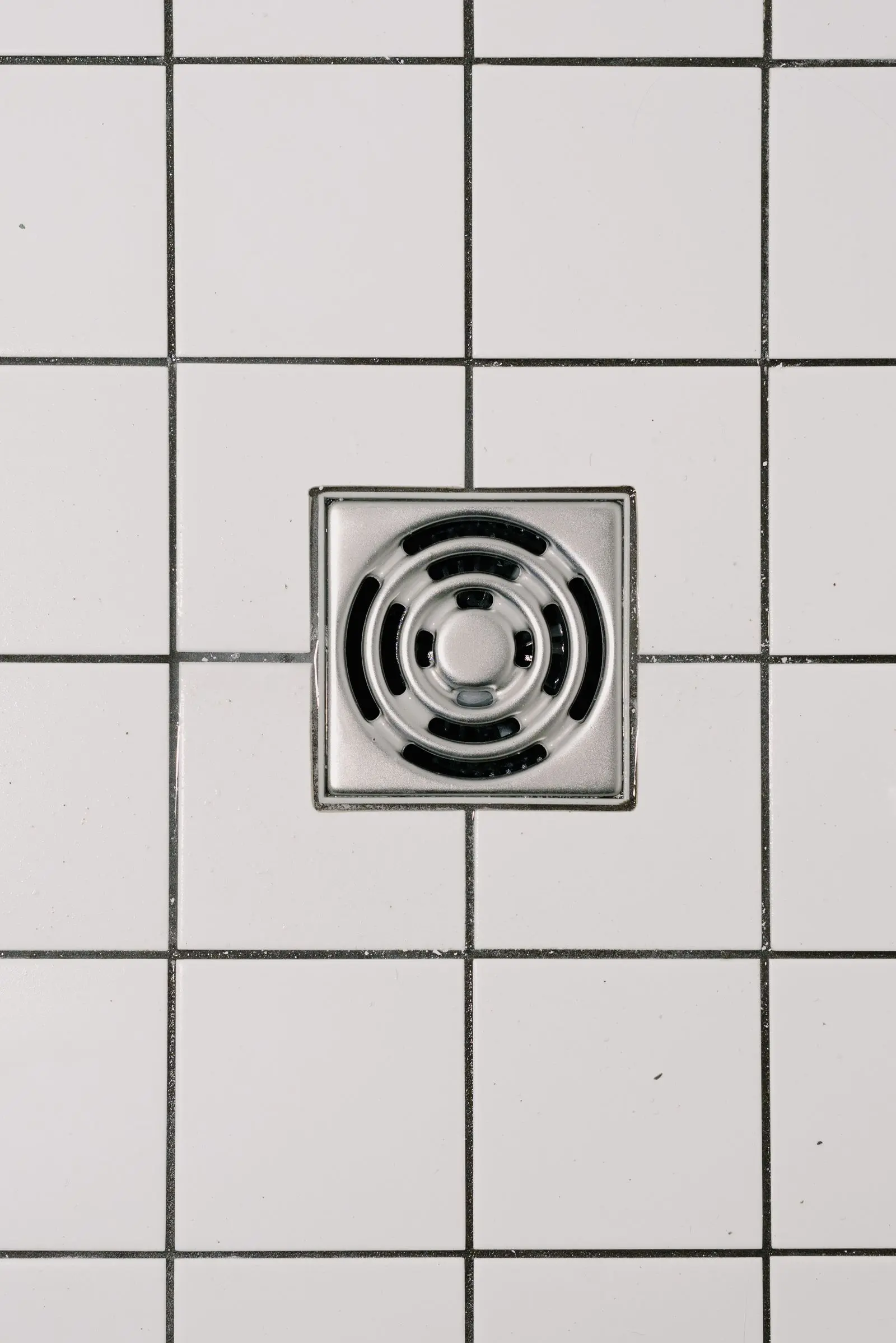
Lift-and-turn stoppers unscrew, often with a small set screw. Toe-touch stoppers unscrew counterclockwise. Trip-lever tubs have a plunger on a linkage behind the overflow plate; remove the two screws and pull the linkage out. Clean the hair and gunk off whatever comes out.
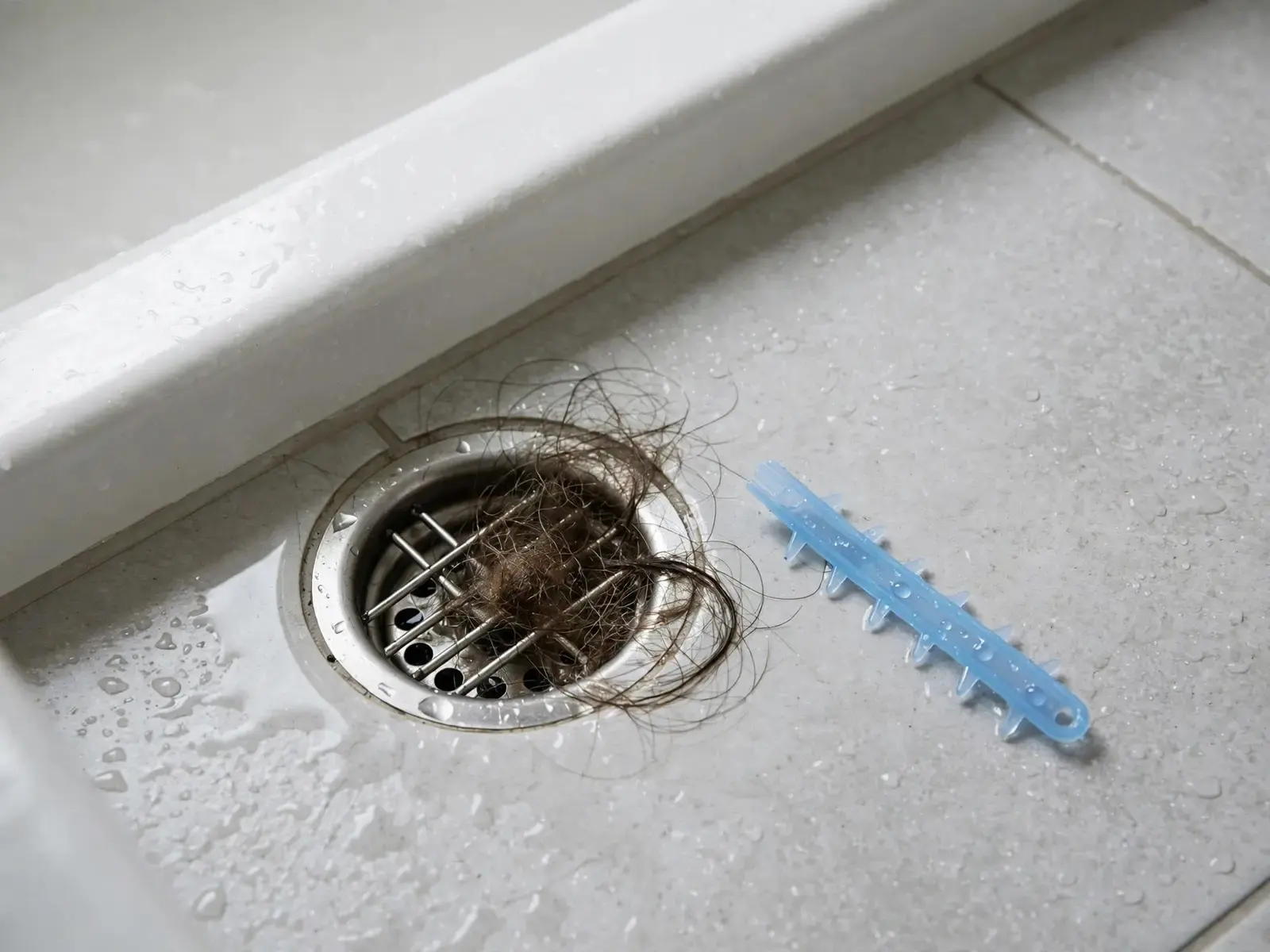
Step 2: Pull out hair
A cheap plastic barbed drain tool slides down past the crosspieces in the drain and pulls out the hair mat that causes most tub clogs. It is often all you need.
Step 3: Plunge with the overflow covered
Tubs have an overflow opening that lets the plunger's pressure escape. Stuff a wet rag into it or hold it closed, put a few inches of water in the tub, and plunge with a cup plunger.
Step 4: Snake through the overflow
With the overflow plate removed, a quarter-inch hand snake goes straight down to the trap with fewer tight bends than going through the drain itself. Feed it until it meets resistance, crank, and pull back.
Avoid chemical cleaners
Caustic cleaners rarely dissolve a full hair mat and can damage finishes and older pipes. An enzyme cleaner used regularly can help slow buildup, but it does not clear a full clog. A drain screen prevents most tub clogs in the first place.
When to call a plumber
Call when the tub still drains slowly after cleaning the stopper and snaking, when water backs up into the tub from other fixtures, or when the tub has an old drum trap, which needs to be opened differently. See drain cleaning.
Frequently asked questions
Does baking soda and vinegar unclog a tub?
It can freshen a drain and loosen light buildup, but it rarely clears a hair clog. Pulling the hair out mechanically works better.
Why does my tub drain slowly even after cleaning?
The clog may be in the trap or branch line beyond the stopper, or a blocked vent may be slowing it. A snake or a plumber is the next step.
Why does water come up in my tub when I flush?
That usually means the main line is clogged, not the tub drain. Stop using water and call a plumber.
Editorial note: This guide is general information for homeowners, not a substitute for an on-site assessment. Local codes and conditions vary; a licensed pro can confirm what applies to your home. See our editorial policy.