Emergencies
No Water in the House? Causes and What to Check
Updated · By the Keystream Plumbing editorial team · How we research
1. Is it the whole street?
Ask a neighbor or check the water utility's website or social media for outages and main breaks. If it is a utility problem, there is nothing a plumber can do; wait for the all-clear and follow any boil-water notice.
2. Check the main valve
After any recent work, the main shutoff valve may have been left partly closed. Make sure it is fully open: counterclockwise for a round handle, lever parallel with the pipe.
3. Look at the meter
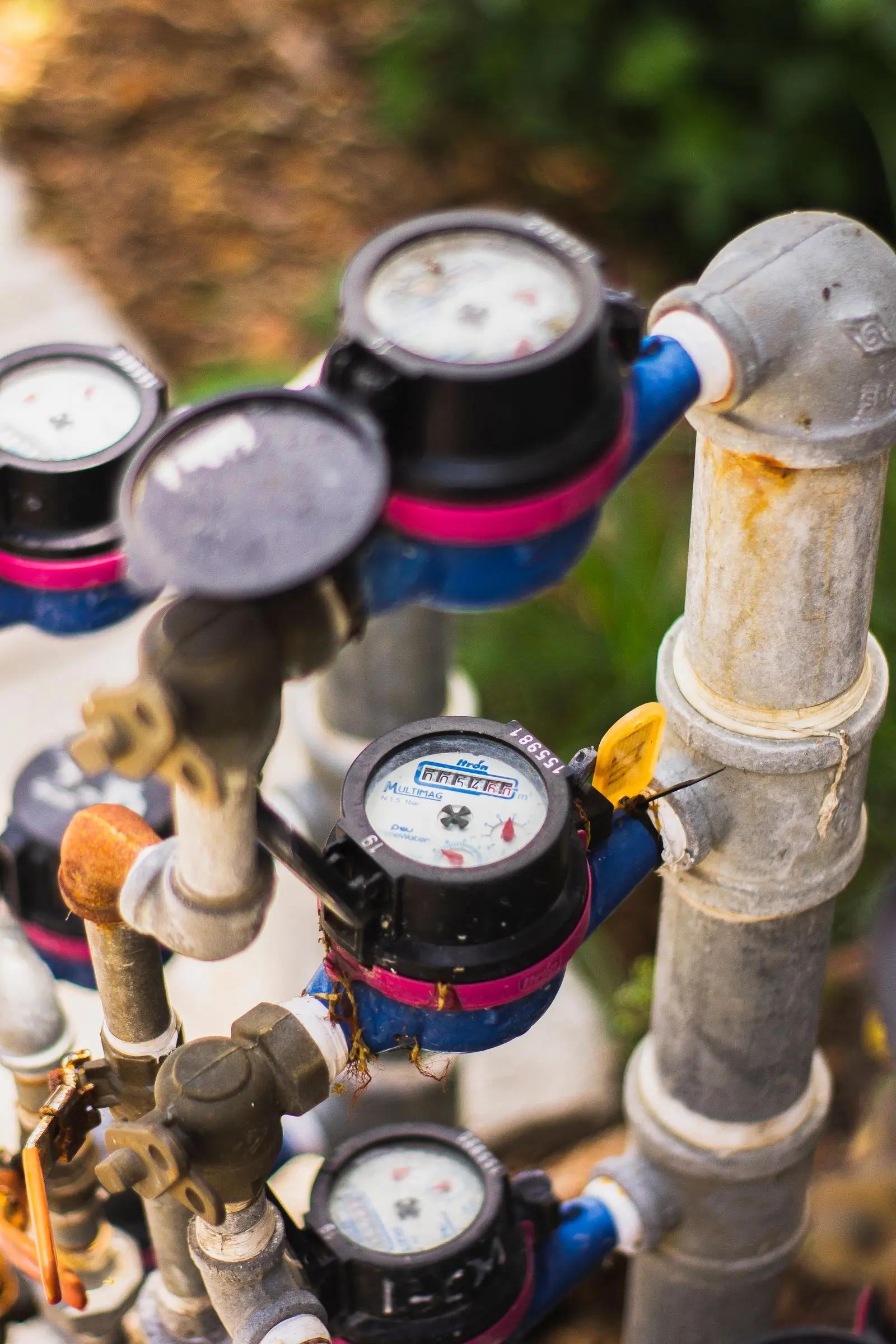
Open a faucet and look at the meter. If the dial is not moving, no water is reaching the house. If it spins fast while no water comes out of the taps, you may have a large leak between the meter and the house, often visible as a wet patch in the yard.
4. In freezing weather
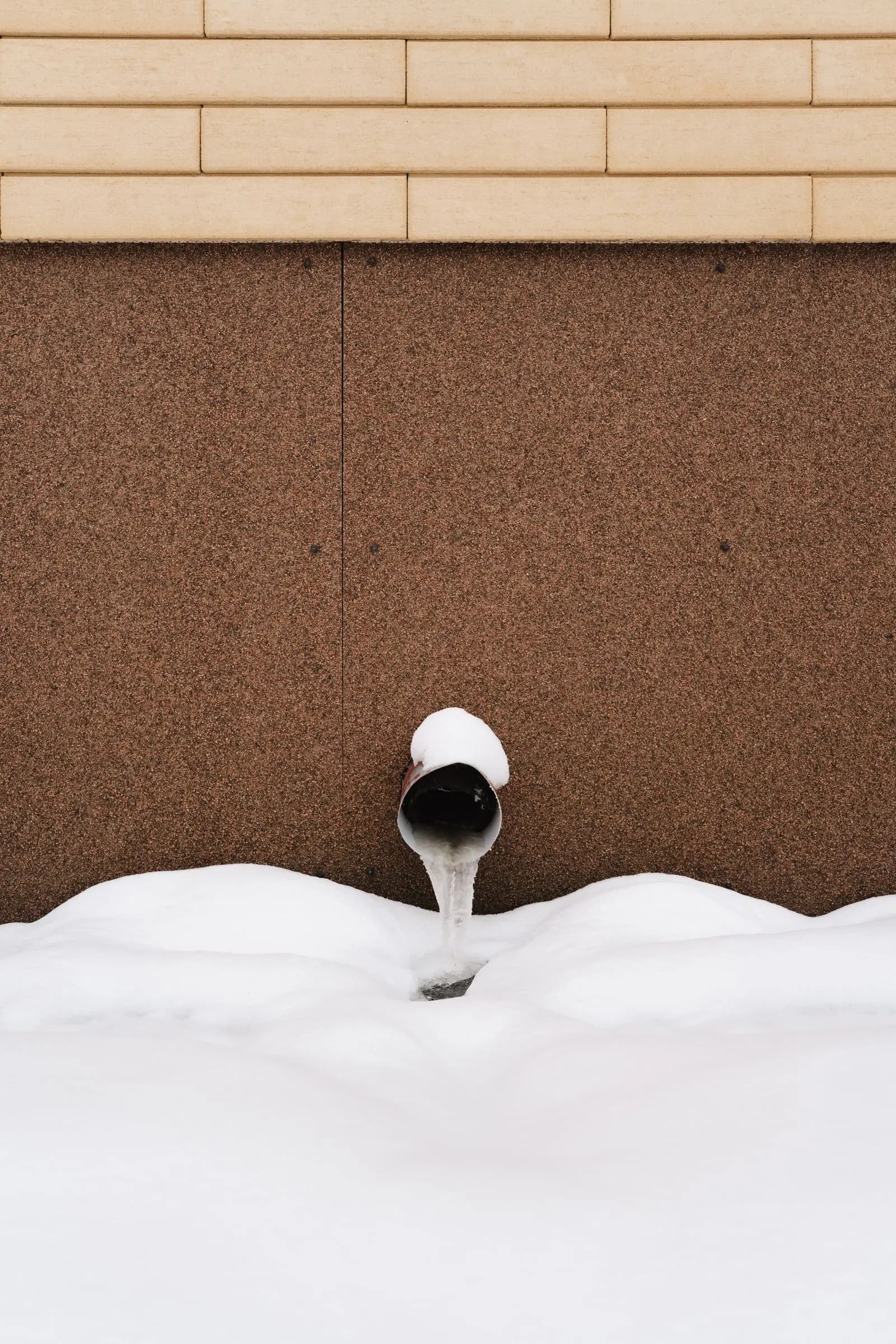
After a long cold snap, a service line can freeze where it runs shallow or near a foundation. Keep heat on, open a faucet, and call a plumber; do not use an open flame on pipes. Our guide to preventing frozen pipes covers what to do before the next freeze, and burst and frozen pipe repair covers thawing.
5. The pressure regulator
Many homes have a pressure-reducing valve just after the main shutoff. When one fails closed, pressure drops to a trickle or nothing at every fixture. A plumber can test pressure before and after it.
6. If you are on a well
Check the breaker for the pump and look at the pressure gauge near the tank. Zero pressure with the breaker on points to the pressure switch, the control box or the pump itself. Do not open the well cap or work on the pressure switch wiring yourself.
Frequently asked questions
Why do I have no water but my neighbors do?
The problem is on your property: a closed valve, a frozen or broken service line, a failed pressure regulator, a utility shutoff at your meter, or a well pump problem.
Who fixes the line from the street to my house?
In most areas the homeowner owns the service line from the meter or curb stop to the house; the utility owns the main and usually the meter. Ask your utility where the split is.
Is it safe to drink water after it comes back on?
Run cold water for a few minutes to flush air and sediment. Follow any boil-water notice from the utility.
Editorial note: This guide is general information for homeowners, not a substitute for an on-site assessment. Local codes and conditions vary; a licensed pro can confirm what applies to your home. See our editorial policy.